In brief
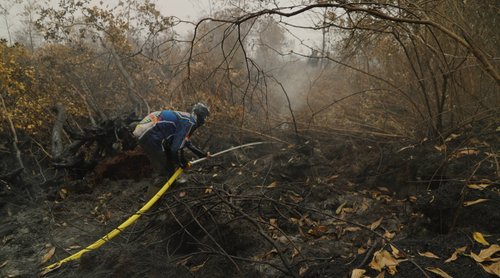
A massive wildfire front in Canada—now over 800 active fires—has produced a thick blanket of smoke that has drifted across the US, putting major cities like Toronto, New York, Chicago and Detroit under hazardous air alerts. The plume has forced cancellation of outdoor events and calls for residents to stay indoors. In northern Ontario, the fires have led to evacuations of First Nations communities, with local leaders describing the villages as “burnt to ashes.” US lawmakers are already drafting letters to Prime Minister Mark Carney demanding stronger cross‑border fire‑fighting cooperation, while Canadian officials stress the need for joint climate measures. Climate scientists warn that higher temperatures and drying conditions have increased the frequency and intensity of these blazes, putting millions more at risk.
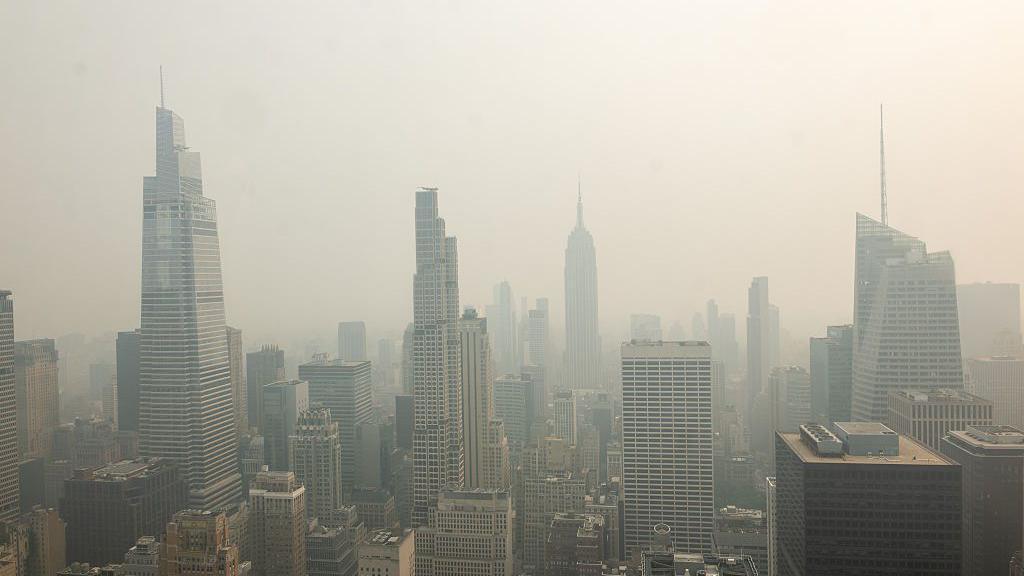
More than 800 wildfires are burning across Canada, with smoke drifting over Toronto, New York, Chicago, Detroit and other major cities. The haze has triggered hazardous air quality alerts in cities from Detroit to New York and across New England, forcing many outdoor events to cancel and public officials to urge residents to stay indoors to avoid toxic fumes.
In one northern Ontario blaze, residents of a local First Nations community were ordered to evacuate. Chief Helen Paavola told the press her community had been “burnt to ashes,” with every home destroyed by fire.
US lawmakers in Michigan have drafted an open letter to Canadian Prime Minister Mark Carney demanding better joint wildfire management, accusing Canada of repeated failures in the last three years. The Canadian government insists it is fighting an unprecedented season of fires and that efforts are ongoing to shield nearby towns from flames.
Scientists point to climate‑change‑driven higher temperatures and surface drying as reasons for the growing number and size of Canadian wildfires. The spatter now shows an eastern shift, with large fires in Ontario, Quebec and the Atlantic provinces, thereby intensifying smoke impacts on densely populated cities.
The immediate health fallout includes cancellation of summer camp events, beach closures and the postponement of concerts in Chicago. In New York, state officials have activated emergency protocols, opening cooling centers and distributing KN95 masks to city residents.
As weather forecasts predict north‑westerly winds will keep the smoke over the northern United States for the rest of the week, local residents and businesses continue to adapt to an evolving air‑quality crisis that underscores the urgent need for cross‑border cooperation and climate action.