In brief
The 2026 Asian Games in Nagoya were marred by a string of blunders, from cramped container units and a makeshift athletes’ village to transport mix‑ups and a wrong national anthem during a hockey match. Organisers faced criticism over a last‑minute surge of 2,000 delegates that forced them to rent a cruise ship for accommodation and alleged contractor GL Events to cut corners. Japan’s Olympic Council of Asia issued formal apologies, but the chaos erupted again during the Para Games with further anthem errors. Despite 54 world records, the event underlined the need for better planning and oversight in future multinational competitions.
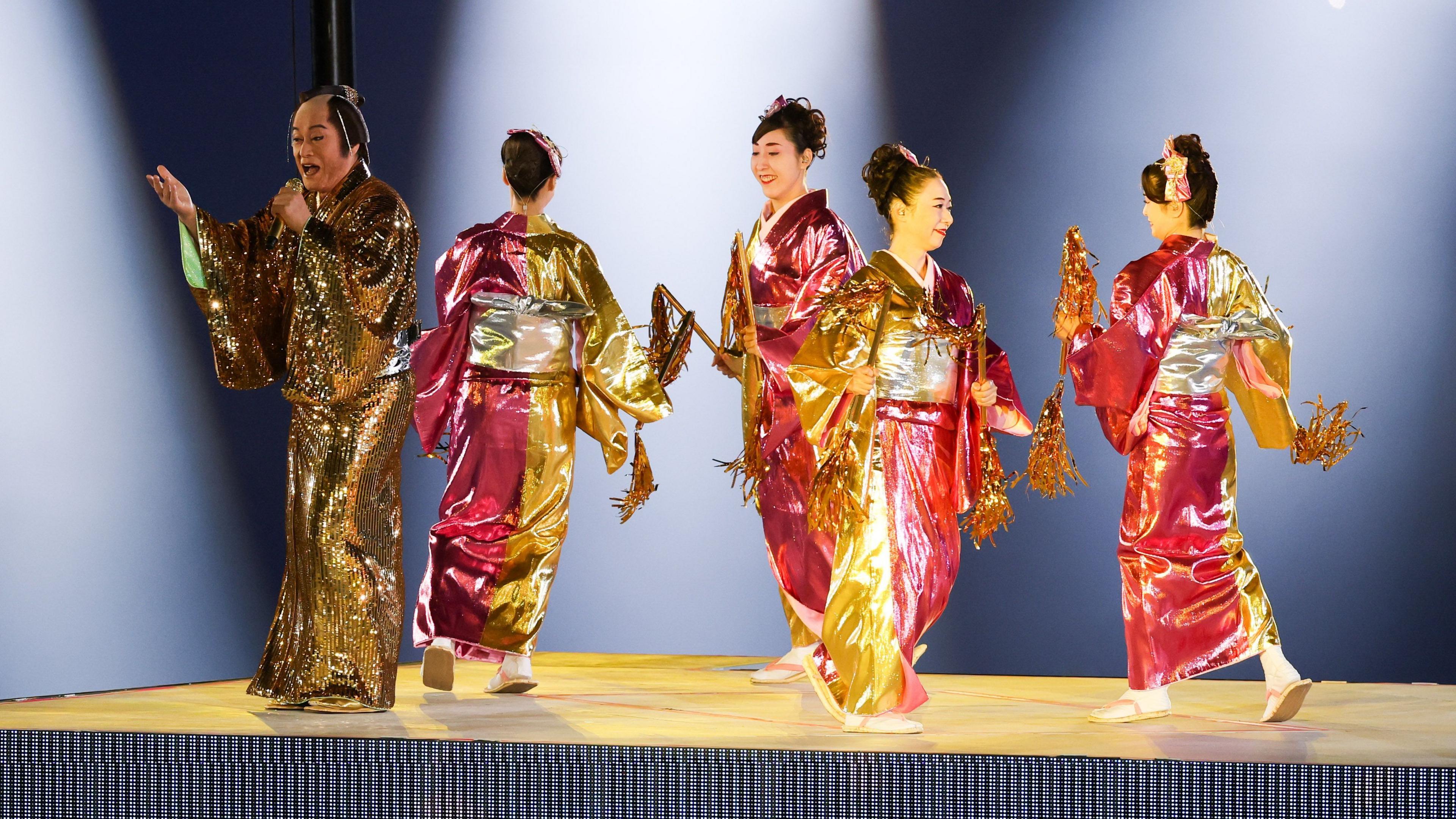
The 2026 Asian Games in Nagoya promised grand spectacle, but delivered a chaotic performance.
Early alerts from participants highlighted a shortage of rooms and a resort to container‑style housing across the city, a decision made to cut costs. The organisers had abandoned the traditional athletes’ village plan and instead stocked delegates in hotels and thousands of shipping containers, some of which were too small for taller athletes, a Korean official noted, "they can’t stretch their legs on the beds."
A last‑minute rise of 2,000 delegates forced Nagoya to rent the Costa Serena cruise ship, each cabin assigned to a delegation. Organisers initially claimed there was "simply nowhere" to accommodate the influx, before issuing a joint statement assuring all 17,000‑plus participants a Games‑appropriate stay.
The mishaps spilled onto the track: athletes were bussed to wrong venues, the South‑Korean men's hockey team was played the North‑Korean anthem, and the South‑Korean flag was improperly raised at a football gold‑medal ceremony. Volunteers received an email offering free tickets to the closing ceremony, only to learn the decision was still under review. The dilemma took a personal toll when Taiwan’s sports minister was temporarily barred from a flag‑raising event.
Local media pinned blame on France’s GL Events, the Japanese subsidiary that won the 63 bn yen contract over Dentsu after a 2018 criminal bid‑rigging conviction. Reporters said GL Events was "overwhelmingly cheaper" but raised concerns about the quality of staff training. Organiser Takaaki Omi defended the firm, citing its Paris Olympic experience, while academic Prof Kozo Tomiyama argued the real issue was the breadth of responsibility GL Events received.
Despite the turmoil, the Games saw 54 new world records in swimming, weightlifting and shooting, a fact the Olympic Council of Asia used to temper criticism. Yet the mishaps spilled into the Para Games, where the wrong national anthems played at three events prompted the Nagoya mayor to issue a formal apology. The Olympic Council’s general director, Husain al‑Musallam, highlighted the athletes’ performance under uneven conditions, stressing that hospitality and transport are as critical as the sport itself.
As the city fades from the spotlight, the lessons from Nagoya remain – an urgent call for better crisis management, transparent contractor selection and the kind of hospitality (omotenashi) that Japan is celebrated for worldwide.