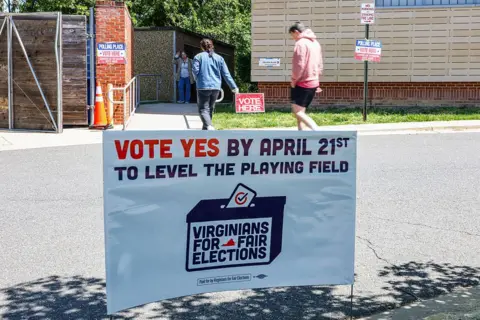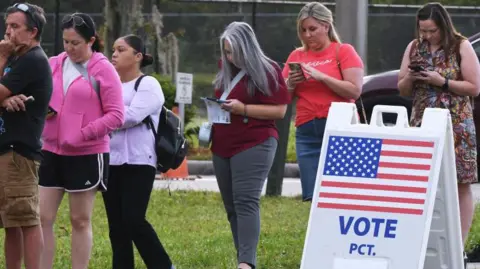
The US House of Representatives has recently passed the SAVE America Act, legislation mandating that voters provide proof of citizenship when registering and photo identification before casting their ballots. The act has sparked significant debate, with proponents claiming it will bolster electoral integrity, while critics argue it disproportionately disenfranchises certain groups.
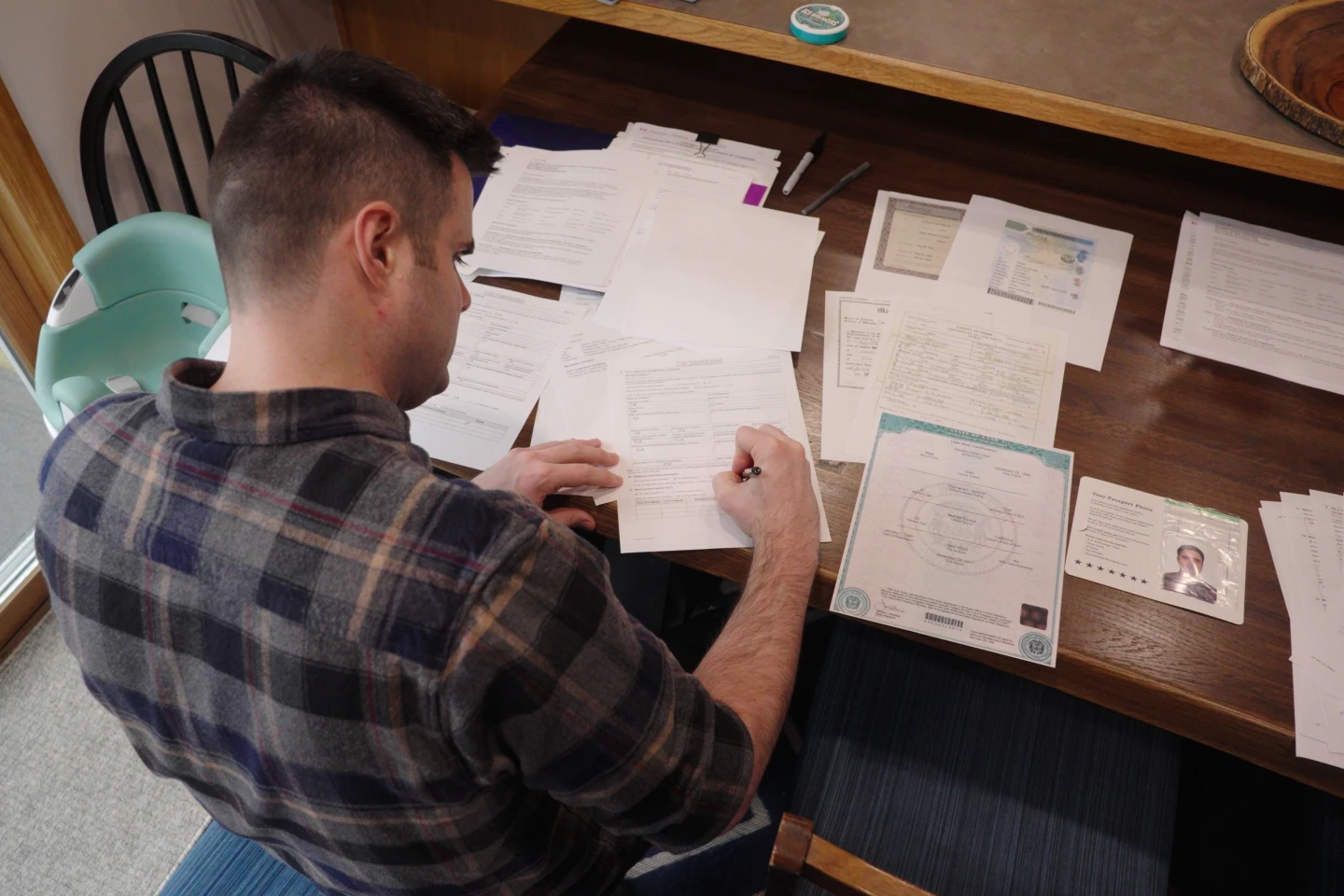
The legislation would require individuals to present a valid US passport or birth certificate at the time of voter registration. This requirement has raised alarm among various organizations, particularly concerning married individuals who may have different last names from their identification documents.
Democrats have voiced their concerns, alleging that the bill could disenfranchise eligible voters, whereas Republicans assert it is crucial to prevent potential voter fraud. The measure now faces a challenging path in the Senate, which currently lacks sufficient support for passage.
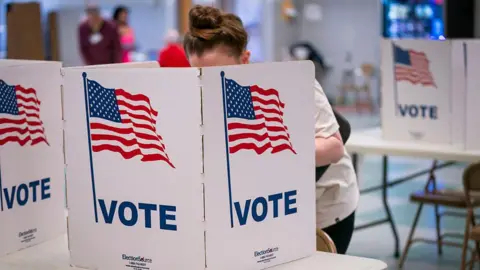
Key highlights of the SAVE Act include requirements for Americans to show proof of citizenship when registering to vote, alongside a valid photo ID to cast their votes. While some states already have such measures in place, federal law does not require proof of citizenship at the national level as this proposal seeks to implement.
Additionally, the legislation proposes a process for individuals who have changed their names to submit extra documentation for identity verification, an aspect that has drawn significant concern from advocates for these individuals. Notably, failure by election officials to properly verify citizenship when registering voters could result in criminal penalties.
Estimates suggest that about 21 million Americans do not have easily accessible proof of citizenship, and 2.6 million lack any government-issued photo ID, according to research from the Brennan Center for Justice. A Pew Research Center poll indicated that 83% of respondents favored requiring government-issued IDs, with notable support across party lines.
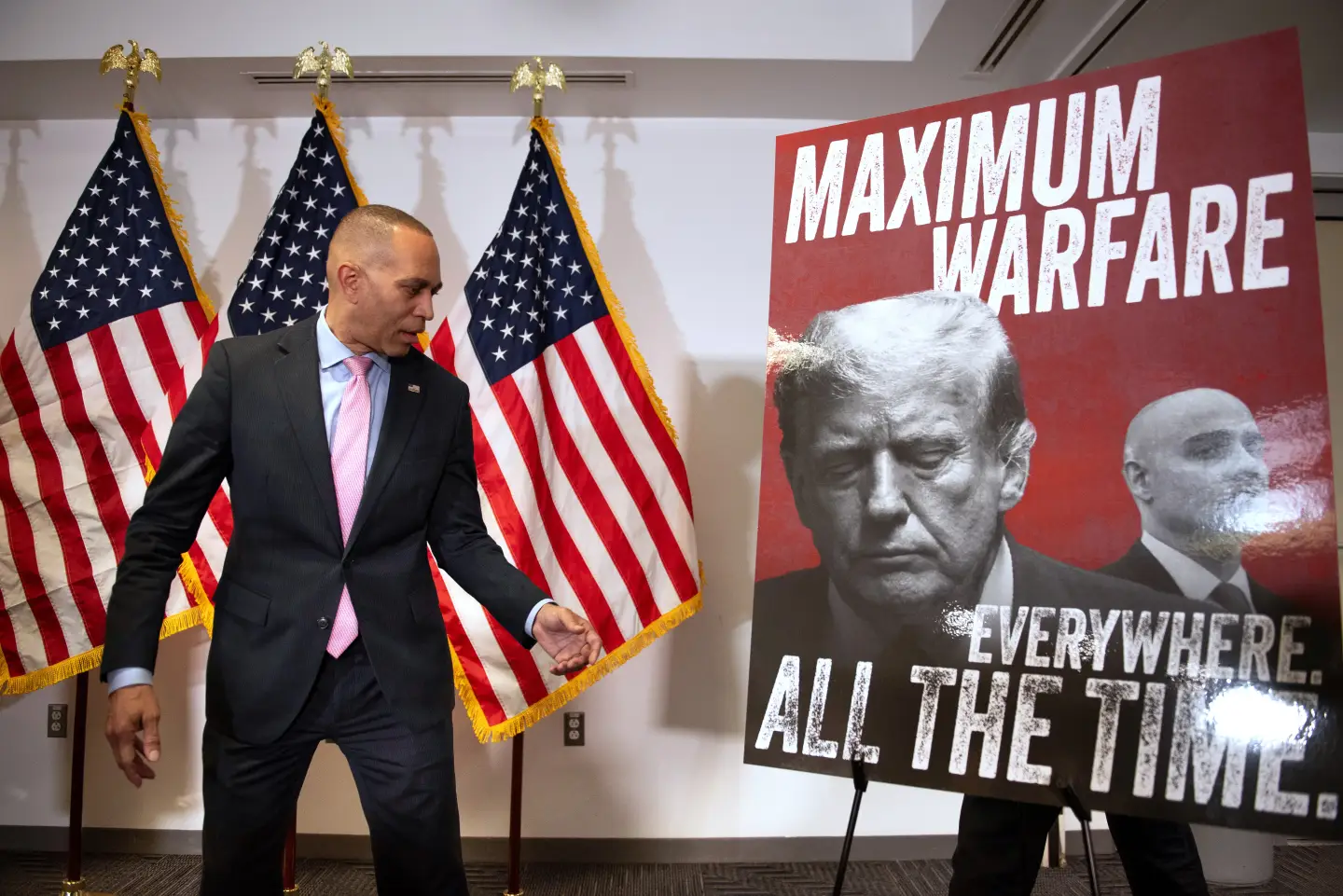
President Trump has endorsed the SAVE Act and urged Republicans to rally behind it for swift Congressional approval. He has repeatedly claimed that such measures will safeguard elections from fraud, a claim lacking substantial evidence according to several investigations.
While the Act narrowly passed the House with a 218-213 vote, the future of the measure in the Senate remains uncertain. Republican Majority Leader John Thune has stated that there is insufficient support for the necessary 60 votes for passage, and some dissent from within the party, including from Senator Lisa Murkowski, adds to the bill's challenges.