In brief
Romania shut the Cernavoda nuclear plant after the Danube River fell to a 30‑year low caused by intense heat across Europe. The plant, which supplies about 20% of the country’s power, will be offline for at least ten days. Authorities tried to improve cooling by sinking rock‑laden barges in the river, but the drop remains too severe. Hungary’s only nuclear power plant, Paks, has avoided shutdown so far but also faces cooling challenges.
Romania shuts sole nuclear plant amid Danube drought
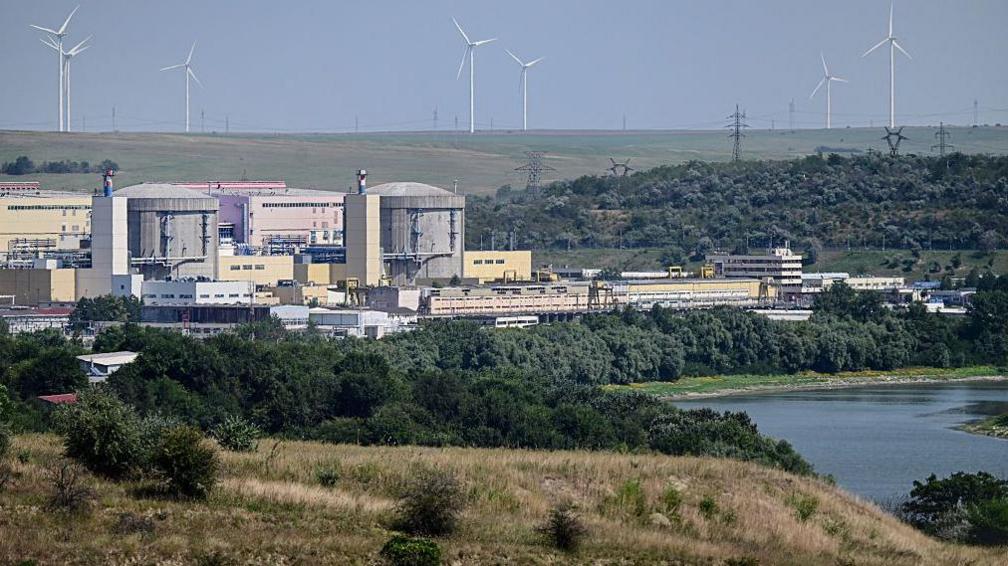
Romania has shut its only nuclear power station as the Danube River’s water level drops to its lowest in three decades, a consequence of a sweeping heatwave across Europe.
The Cernavoda plant, home to two 706‑megawatt reactors that feed roughly 20 percent of Romania’s electricity, was disconnected from the national grid just before noon on Thursday. Plant director Romeo Urjan said a restart is unlikely within the next ten days.
Earlier this week, officials lowered heavily‑docked barges filled with rocks into the Danube to raise water levels and improve reactor cooling, but the river’s depth remained insufficient. Neighboring Hungary has kept its single Paks reactor online, though the plant too faces critical water shortages.
Hydropower output has also dipped sharply as the same low levels have constrained river‑based generation. In the evenings, Romania will need to import more energy while solar and wind output rises to cover daytime deficits.
The incident underscores the widening impact of climate‑driven heatwaves across Europe, which are stressing water supplies, agricultural production, and the resilience of infrastructure. According to the Copernicus climate service, Europe’s temperatures are rising twice as fast as the global average.
Experts warn that continued extreme conditions could erode the continent’s economic growth and further strain energy supplies, with potential ripple effects across markets and trans‑border infrastructure.