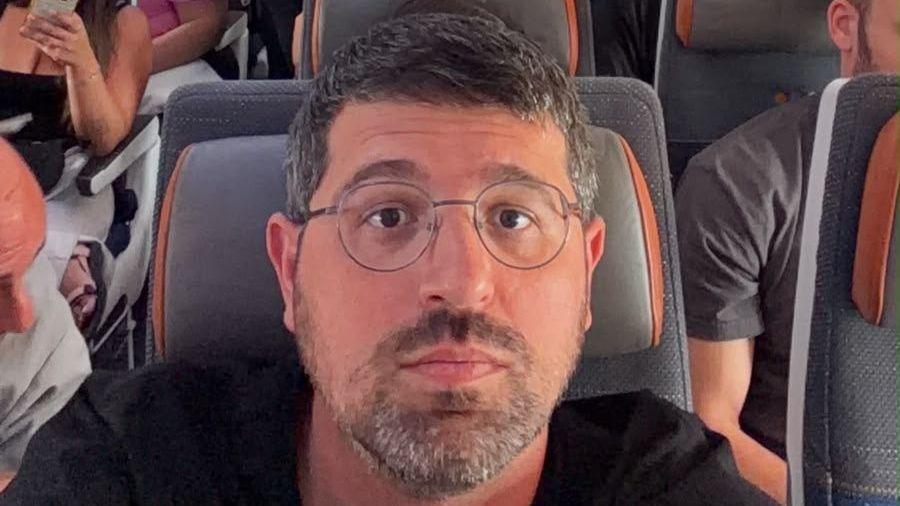
On 28 September, 24‑year‑old Sri Lankan migrant Anojan Sivarasa was found guilty in an appellate court in Saudi Arabia of blasphemy against Islam following a Facebook comment, leading to a death sentence.
“I plead for mercy for the wrongs committed by my son. Please forgive him and send him back to us.” The emotional appeal came from his mother, Rasamanickam Yogalakshmi, as his family remained silent for over a week.
The case began after a dispute over a Hindu pilgrimage incident in Sri Lanka. A video of a Muslim man kicking a dog sparked a heated online debate; a user condemned a Hindu deity, prompting Anojan to respond in Tamil insulting the Prophet Muhammad. He deleted the comment and uploaded an apology video, but the text was screenshot and passed to his employer, which notified Saudi authorities.
The Saudi authorities seized Anojan’s devices and closed his social media accounts. He was first given a five‑year prison term and a 3 million‑riyal fine by the Al‑Ahsa Criminal Court; an appeal to reduce his sentence was dismissed.
On 17 September, Saudi prosecutors switched the case from a cybercrime charge to prosecution under Sharia law. The appellate court approved the change, upgrading his penalty to the death row.
The Sri Lankan government has mobilised all diplomatic avenues. President Anura Kumara Dissanayake met Anojan’s family at the Presidential Secretariat on 21 September and vowed to seek a general pardon. Four legal delegates are now travelling to Saudi Arabia to meet the defence lawyers.
Across Sri Lanka, diverse religious leaders—including senior Buddhist Mahanayake Theros, Hindu priests, and Muslim clerics—have presented a memorandum to the Presidency demanding urgent state intervention.
No official execution date has been released. Saudi Arabia has historically carried out executions without prior warning to families or diplomatic missions, only notifying relatives after the act. In death‑row Saudi prisons, inmates lose personal devices and are only allowed structured calls through prison officials.
Human rights groups highlight the vulnerability of migrant workers in Saudi courts, citing language barriers and lack of legal representation. More than 10 million foreign workers reside in Saudi Arabia, with many facing harsh sentences for online speech. Former teacher Mohammed Al Ghamdi, sentenced to death in 2023 over a handful of tweets, had his verdict overturned after international pressure, illustrating the precarious balance between religious sentiment and human rights in the kingdom.