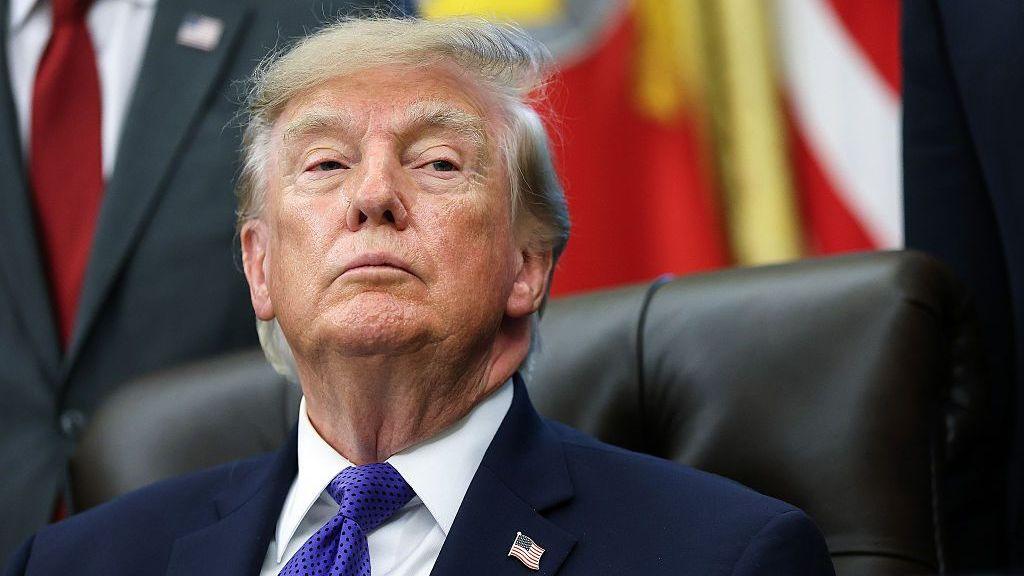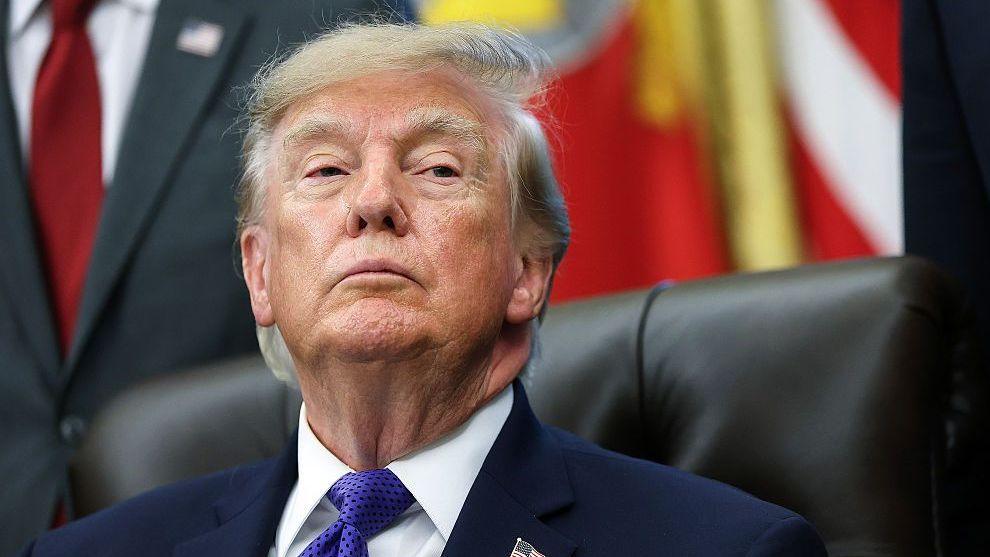
Donald Trump has taken to the campaign trail, defending his record on the economy as the best in U.S. history while dismissing concerns about rising costs as a “hoax.”
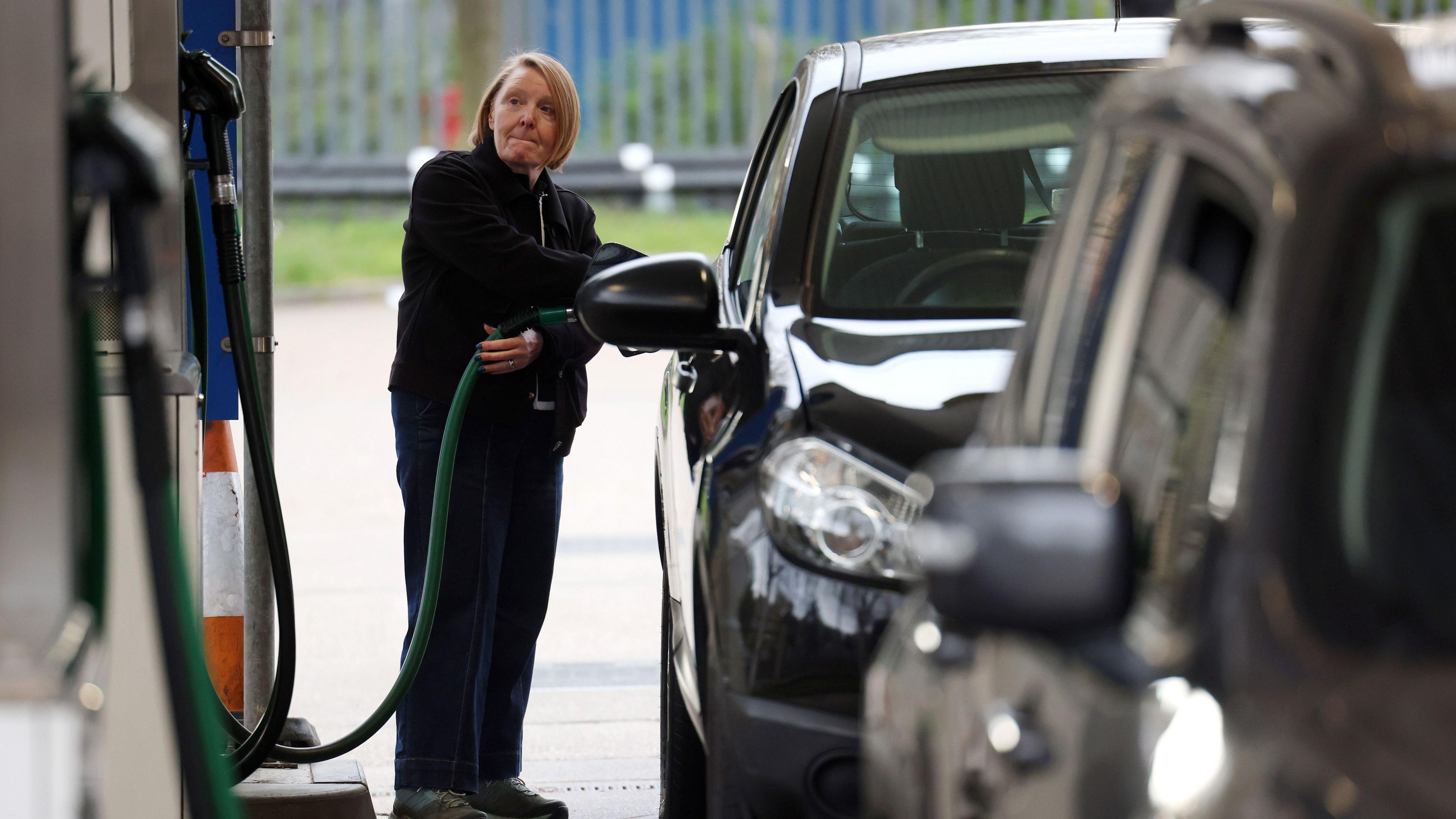
He says the press fails to report the strong stock markets, low unemployment and falling poverty rates that, he argues, prove his economic track record. Yet the bigger picture is more mixed. Inflation sits at 3.4%—higher than wage growth—while fuel has spiked to $4.37 a gallon and beef prices hit record highs.
A YouGov poll shows 63% of respondents believe the economy is getting worse. An AP/NORC poll again finds only 17% approve of the president’s handling of cost‑of‑living issues, with just 26% approving of his overall economic performance.
Republican candidates must decide how closely to align with Trump. In Florida, House Rep. Byron Donalds, a staunch ally of the former president, is campaigning for governor while acknowledging economic hardship. He speaks of retirees, teachers, emergency workers and restaurant staff who “need to be able to make ends meet,” and in one rally said “We’re the best state in America, but success has gotten expensive.”
Donald’s campaign website and materials have been stripped of prominent Trump references, prompting Trump to shame the allegations on Truth Social. Trump insists that any perceived distancing is a sign of “affordability,” not politics, while urging voters to trust his record.
Other Republicans have taken similar approaches. In Texas, Gov. Greg Abbott hosted a rural affordability round‑table; Iowa’s Sen.‑hopeful Ashley Hinson unveiled her own affordability agenda. Candidates in the Gulf Coast, Midwest and beyond are emphasizing cuts to taxes and immigration, tying the issues to everyday affordability.
However, the GOP’s narrative is complicated by the president’s contradictory messaging. Trump has warned that a Republican loss would “damage” the party with hostile Congress, yet he has also shown a cavalier attitude toward the midterms, at times suggesting he does not care about the vote.
Overall, the race has become a balancing act: stay close enough to Trump to win his loyal base, but clarify economic concerns to win the rest of the electorate. If the GOP fails to navigate the tightrope, it could find itself crushed in a wave that favors Democrats, who largely dominate voter sentiment on the cost of living but are seen by many as too expensive in their own way.