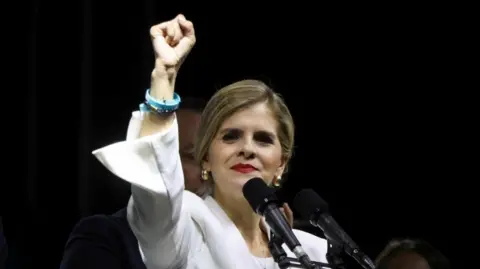
In a decisive electoral victory, Laura Fernández from the conservative Sovereign People's Party has been elected the new president of Costa Rica. With over 88% of the votes counted, Fernández garnered more than 48% of the total, easily surpassing her nearest rival, centrist candidate Álvaro Ramos, who conceded defeat.
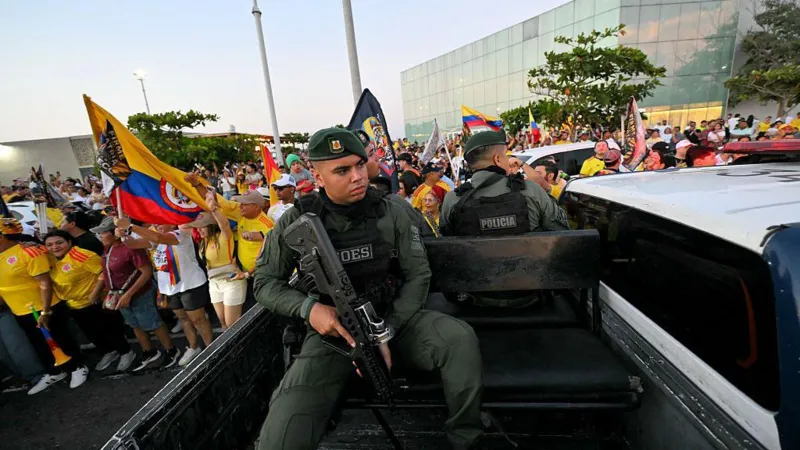
Fernández's campaign was built on a promise to maintain and intensify the tough-on-crime policies established by outgoing President Rodrigo Chaves, who endorsed her as his successor. In recent years, Costa Rica has seen an alarming rise in drug-related violence, prompting voters to prioritize safety and security in their electoral decisions.
The magnitude of Fernández's victory means there will be no need for a run-off election. She is scheduled to take office on May 8 after a transition period. In a victory speech, the 39-year-old candidate expressed her commitment to advancing the policies initiated under Chaves, where she previously served as chief of staff.
Under Costa Rican law, presidents are prohibited from serving consecutive terms, which prevented Chaves from running again. However, rumors suggest that he may be appointed to a role in Fernández's cabinet to assist in her administration's continuity.
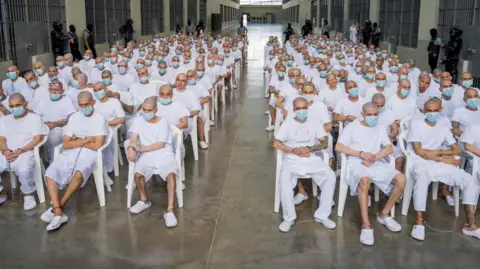
Amid growing concerns over crime, which has escalated due to the influence of transnational gangs, Fernández has vowed to declare emergencies in affected regions and construct a high-security prison modeled after similar facilities in El Salvador, where President Nayib Bukele's tough stance on crime has received substantial public backing.
Despite criticism of her proposed measures, which some fear might infringe upon citizens' rights, Fernández has asserted that her government will prioritize dialogue and uphold the rule of law. Notably, her party's winning of 30 out of 57 parliamentary seats suggests she will have better legislative support than her predecessor, potentially facilitating the passage of her policies.
As Costa Rica navigates a landscape increasingly impacted by organized crime, Fernández prepares to navigate her leadership with a balance of firmness and legal respect, drawing lessons from her predecessor and regional examples.
Fernández's campaign was built on a promise to maintain and intensify the tough-on-crime policies established by outgoing President Rodrigo Chaves, who endorsed her as his successor. In recent years, Costa Rica has seen an alarming rise in drug-related violence, prompting voters to prioritize safety and security in their electoral decisions.
The magnitude of Fernández's victory means there will be no need for a run-off election. She is scheduled to take office on May 8 after a transition period. In a victory speech, the 39-year-old candidate expressed her commitment to advancing the policies initiated under Chaves, where she previously served as chief of staff.
Under Costa Rican law, presidents are prohibited from serving consecutive terms, which prevented Chaves from running again. However, rumors suggest that he may be appointed to a role in Fernández's cabinet to assist in her administration's continuity.
Amid growing concerns over crime, which has escalated due to the influence of transnational gangs, Fernández has vowed to declare emergencies in affected regions and construct a high-security prison modeled after similar facilities in El Salvador, where President Nayib Bukele's tough stance on crime has received substantial public backing.
Despite criticism of her proposed measures, which some fear might infringe upon citizens' rights, Fernández has asserted that her government will prioritize dialogue and uphold the rule of law. Notably, her party's winning of 30 out of 57 parliamentary seats suggests she will have better legislative support than her predecessor, potentially facilitating the passage of her policies.
As Costa Rica navigates a landscape increasingly impacted by organized crime, Fernández prepares to navigate her leadership with a balance of firmness and legal respect, drawing lessons from her predecessor and regional examples.