In brief
In a landmark move, China has become the first country to prohibit hidden door handles on electric vehicles (EVs), a design trend popularized by companies like Tesla. The new regulation mandates that all EVs sold in the country must feature mechanical door handles accessible from both inside and outside the vehicle. This decision stems from safety incidents, including fatalities related to power failures in Xiaomi EVs that hindered door access. The ban will be enforced from January 1, 2027, and is likely to influence global automotive standards given China's prominent role in the car industry.
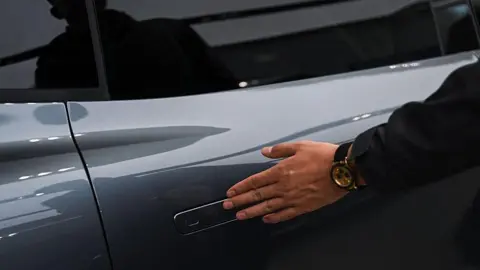
China has banned hidden door handles on electric vehicles (EVs), making it the first country to stop the use of the controversial designs that were made popular by multi-billionaire Elon Musk's Tesla.
This decision comes as EVs face scrutiny from safety watchdogs globally following deadly incidents, including two fatal crashes in China involving Xiaomi EVs, where power failures reportedly prevented doors from being opened.
Under the new regulations, cars will only be allowed for sale if they include a mechanical release for both the inside and outside of their doors, according to state media. The new rules are expected to come into effect on January 1, 2027.
The Ministry of Industry and Information Technology mandates that every passenger door, except the boot, must have a recessed handle space no smaller than 6cm by 2cm by 2.5cm. Additionally, there must be indicators inside the car measuring at least 1cm by 0.7cm showing how to operate the door.
Vehicles that have already been approved for market entry will have an additional two years to comply with these design updates.
Hidden handles are prevalent in the new energy vehicle (NEV) market in China, which encompasses EVs, hybrids, and fuel cell vehicles, featuring in around 60% of the top 100 best-selling NEVs as reported by China Daily.
Although these measures will primarily impact models in the Chinese market, the significance of China's automotive presence suggests they may influence global practices and regulatory standards.
Tesla's door handle designs are currently under investigation by US safety regulators, with similar concerns being raised in Europe.
The National Highway Traffic Safety Administration (NHTSA) in the US has opened an investigation into incidents where Tesla's electric-powered door handles failed, resulting in nine complaints about the handles in the Tesla 2021 Model Y, with some owners resorting to breaking windows to exit the vehicles during malfunctions.