In brief
As the New START treaty, a critical arms control agreement between the US and Russia, expires, fears of a new arms race loom large. Experts highlight the treaty's role in capping nuclear arms and fostering transparency, with its end marking a significant shift in nuclear arms control that could lead to increased global tensions. Calls for renewal emphasize the urgent need to prevent a resurgence in nuclear weapon proliferation amid ongoing modernization efforts by both nations.
The last nuclear weapons control treaty between the US and Russia is due to expire on Thursday, raising fears of a new arms race.
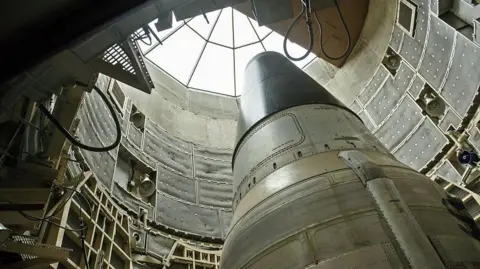
The Strategic Arms Reduction Treaty, known as New START and signed in 2010, was intended to help prevent a catastrophic nuclear war.
This treaty capped the number of deployed strategic nuclear warheads for each party to 1,550 and established transparency measures including data transfers, notifications, and on-site inspections.
The treaty's expiry effectively ends the arms control cooperation that was instrumental in reducing tensions following the Cold War.
Pope Leo recently urged both nations to renew the treaty, emphasizing the necessity to avert a new arms race given the current global tensions.
Historically, a version of this treaty was first signed in 1991 between the US and the Soviet Union, prohibiting deployments of more than 6,000 nuclear warheads. The New START agreement succeeded this earlier form.
Despite technical suspensions in recent years, both countries seemed to respect treaty stipulations, preventing uncontrolled builds of nuclear arsenals while ensuring mutual transparency.
However, the treaty's expiration follows an alarming trend where numerous longstanding arms control agreements have ceased to exist.
Notable agreements that have recently fallen by the wayside include:
- The Intermediate-Range Nuclear Forces Agreement, dismantling shorter-range nuclear armament in Europe;
- The Open Skies Treaty, which allowed unarmed reconnaissance flights over each other's territories;
- The Conventional Armed Forces in Europe Treaty, which limited the deployment of military forces in Europe by both Russia and NATO.
Former UK armed forces head Admiral Sir Tony Radakin warned that the frameworks designed to maintain global security are disintegrating, indicating that the collapse of key arms control treaties could trigger catastrophic effects.
Russia’s Dmitry Medvedev, who signed the New START treaty in 2010, suggested that its expiration should invoke alarm. Meanwhile, former US President Donald Trump downplayed the significance, indicating readiness for a better future agreement.
Discussions around future arms controls must also consider China's growing nuclear capabilities, as both the US and Russia modernize their arsenals while facing pressures to expand strategic capabilities.
While both nations currently develop advanced weaponry, including hypersonic missiles and new nuclear systems, the chances of reaching a new arms control agreement appear slim amidst this escalation.
These developments, coupled with a global trend towards increased nuclear armament, underline a precarious future in international security.