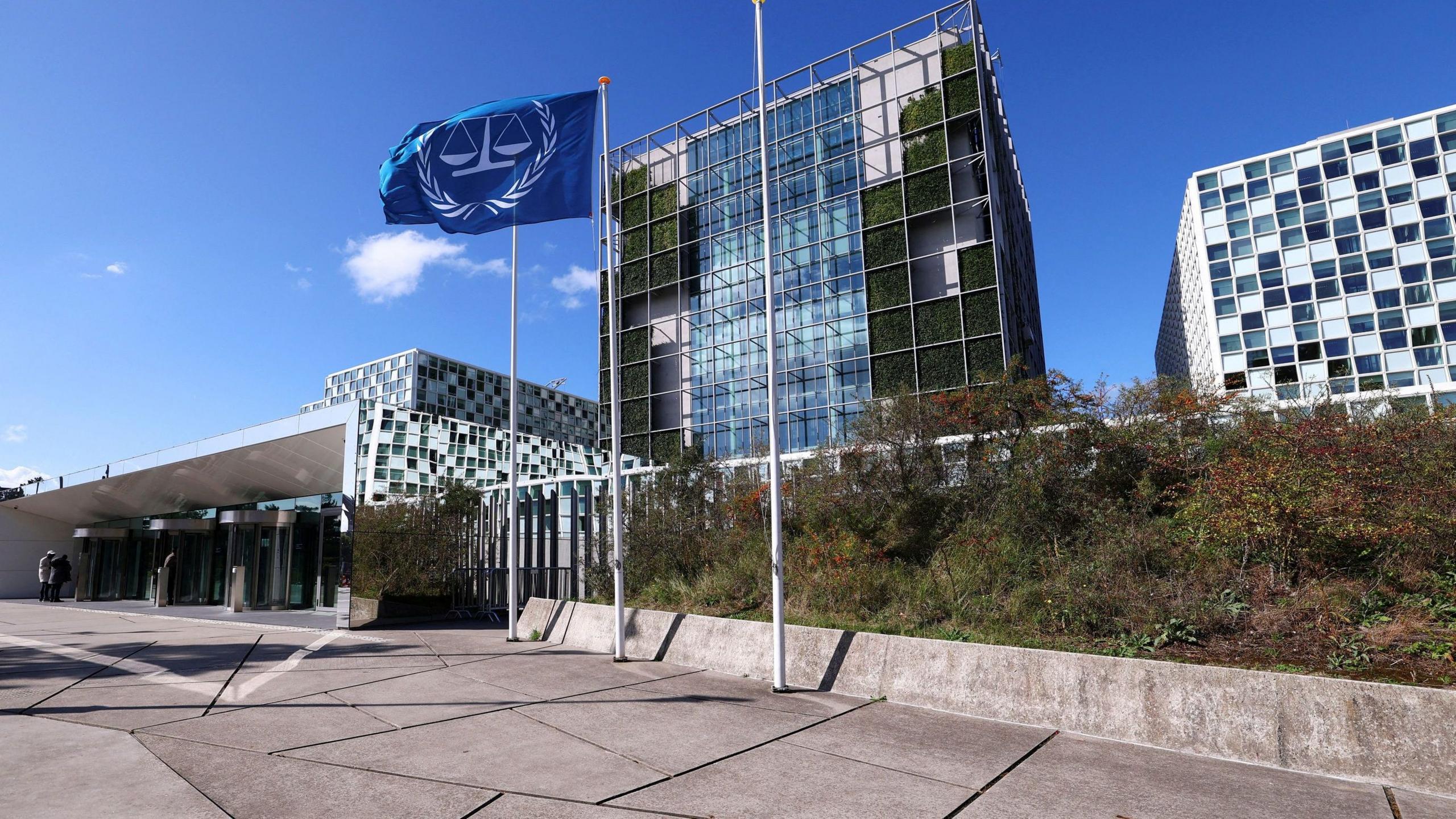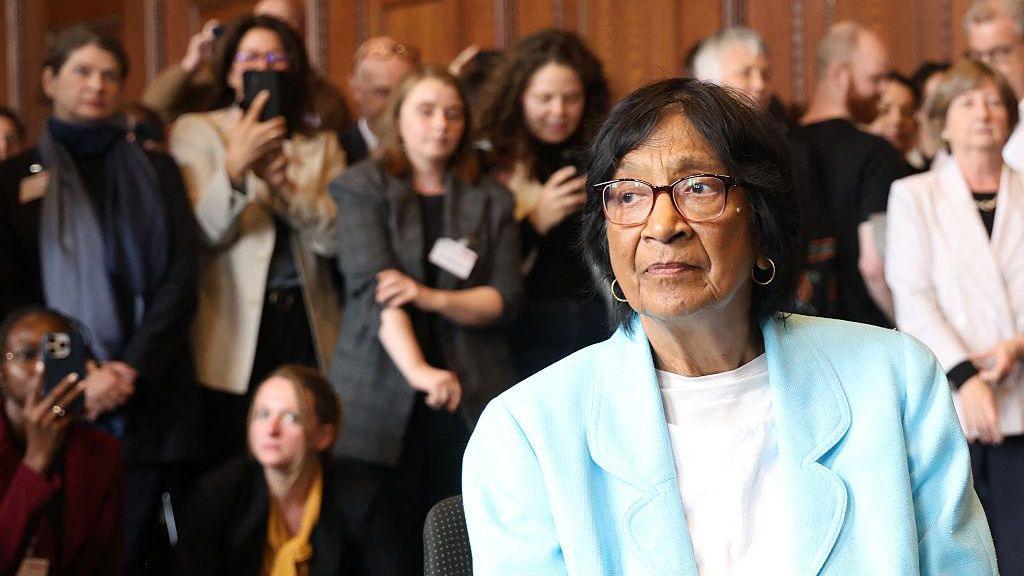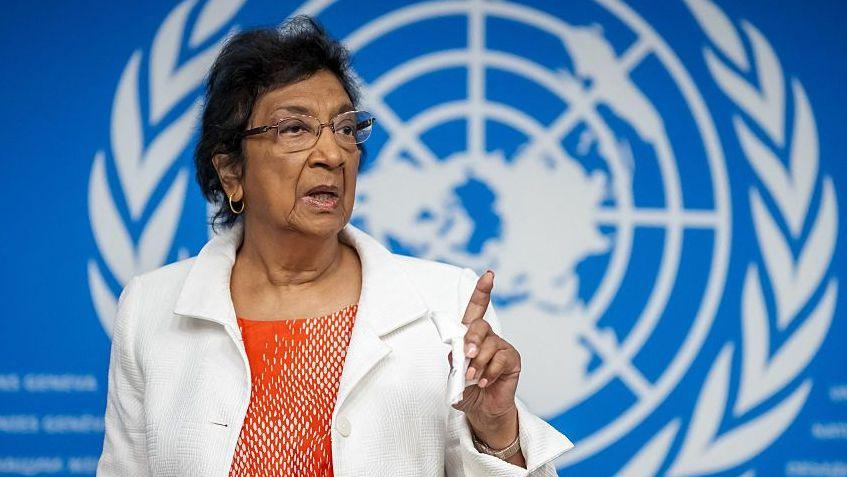
South African former judge and UN rights chief Navi Pillay seized the world’s stage at the Oslo Nobel Peace Centre en‑live to denounce Washington’s sudden sanctions on the International Criminal Court (ICC). “The sanctions are unheard of, unacceptable,” Pillay said via video link, refusing to let the United States’ accusations of a rogue court stand.
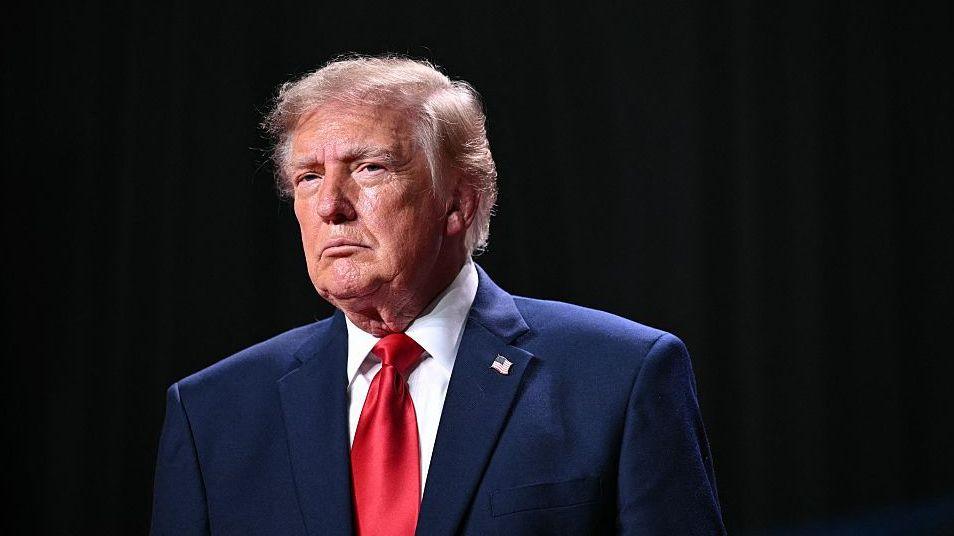
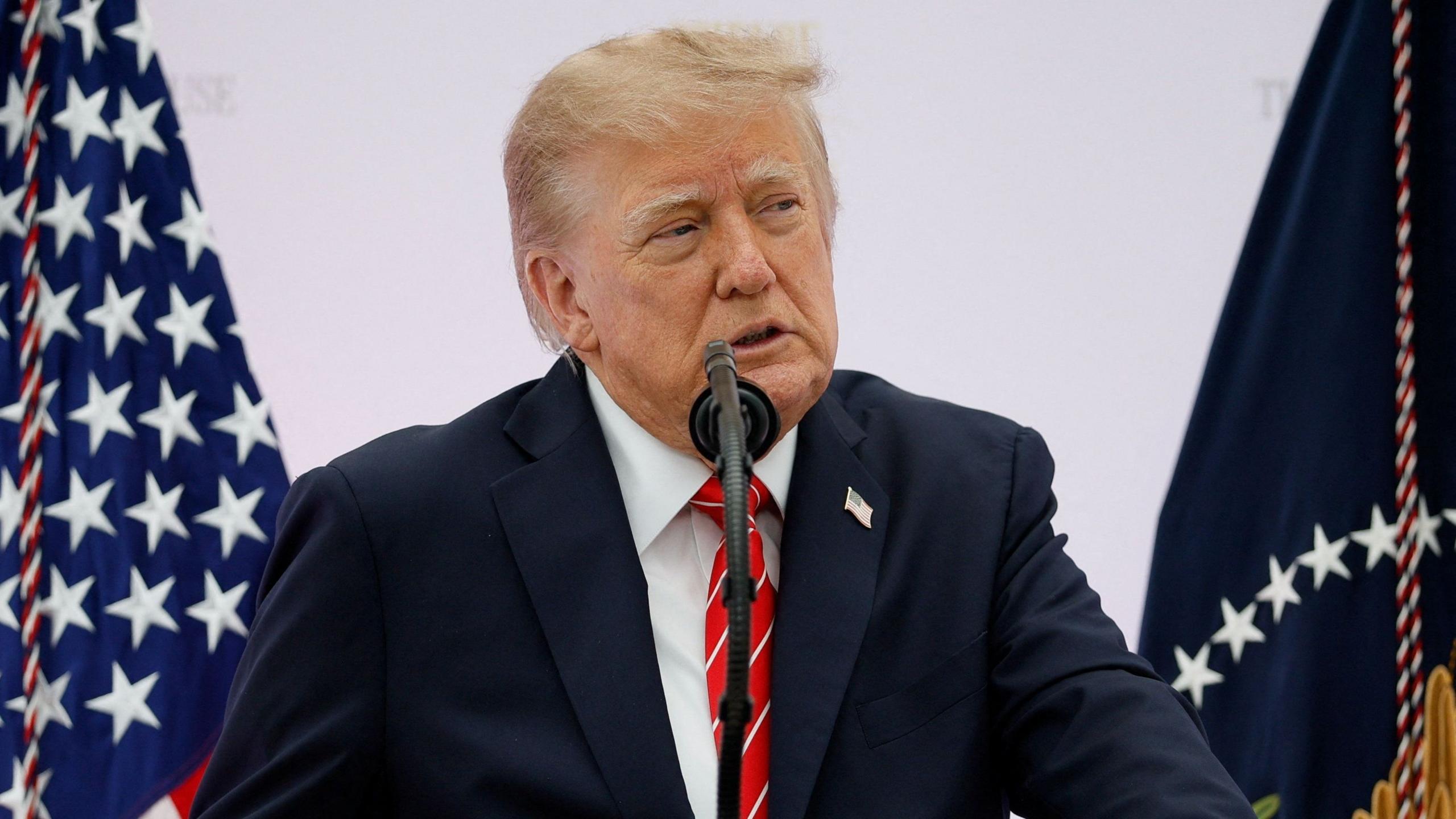
The ICC, which prosecutes war crimes in the Hague, has unfurled a battle plan against the U.S. President Donald Trump, who later aired his displeasure over Pillay’s win. Six months after the award was announced, Trump’s administration rolled out sweeping sanctions, including a ban on U.S. entities trading with the ICC — a step that could cripple the court’s finances.
Pillay, 85, recalled her formative years defending anti‑apartheid activists before taking the United Nations role that saw her dissect crimes in Rwanda, Myanmar and Gaza. “If you clap a little more I may share this prize with Trump,” she joked, hinting at the U.S. president’s snide remarks that described the prize decision as ‘disgraceful’ and a stain on Norway.
United Nations Secretary‑General Antonio Guterres slammed the U.S. move as “a serious blow” to global criminal justice. Britain, Canada, Denmark, France, Germany, Italy, Japan and the Netherlands have publicly voiced their disagreement, all underscoring the ICC’s pivotal role in the international legal order.
The U.S. claims the sanctions are about defending sovereignty and stopping prosecutorial overreach, citing past investigations involving American soldiers in Afghanistan and arrest warrants for Israeli officials including Prime Minister Benjamin Netanyahu. The U.S. says the measures will not force withdrawal of warrants but aim to deter further actions.
Pillay’s remarks echo a broader crisis over the impartiality of justice institutions in a world rife with political pressures. As the ICC reels from the impact of the sanctions, the U.S. faces mounting scrutiny over its approach to international law, with the spotlight on how it may continue to challenge institutions it sees as adversarial.