In brief
A modified image of the famous Bronze 'Dancing Girl' sculpture was found in a newly released Grade‑9 textbook when it showed a shaded torso, sparking public anger. Historians and educationists accused the National Council of Educational Research and Training (NCERT) of censoring an iconic artifact. NCERT admitted the error and will remove the edited image, with future print and digital editions featuring the unaltered sculpture. The incident highlights the debate about nudity in school materials and the respect for ancient art. The restored image now appears across the digital text and will be used in new print copies.
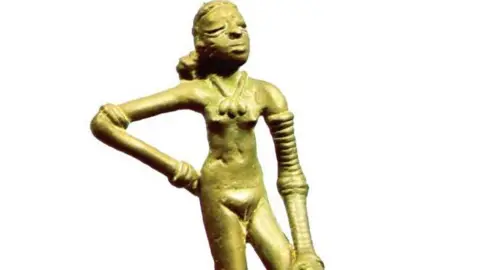
A modified depiction of the 2600‑BCE bronze sculpture known as the “Dancing Girl” appeared in a newly released Grade‑9 NCERT textbook. The figure’s torso was shaded with dark lines, obscuring its anatomical features and sparking a nationwide backlash from historians, teachers and students.
The sculpture—originating from the Indus Valley civilisation site at Mohenjo‑Daro—has long represented the artistic sophistication of ancient India. The image was first printed in earlier NCERT editions without any censorship, but this latest version added the shading to hide nudity.
The National Council of Educational Research and Training (NCERT) swiftly responded after the issue was reported on media and social networks. In a statement to the press, NCERT director Dinesh Saklani confirmed that the edited image would be removed from the textbook and replaced with the original illustration. "Following consultations with experts, the department is replacing the image of the Dancing Girl with its original version," Saklani said.
Later, the organization announced that the digital version of the book would feature the unedited photo, and upcoming print editions would also carry the full sculpture.
The editorial in The Indian Express that initially broke the story criticised the modification, arguing that the Dancing Girl’s significance lies in its poise and confidence, not in any problematic modesty. The editorial urged NCERT to trust students and women—both contemporary and millennia‑old— with a more honest portrayal of historical art.
Experts and scholars noted that the incident is part of a larger trend of Indian textbooks coming under scrutiny for content that may no longer reflect modern values. The new Arts Education Series under the National Education Policy aims to bring visual, performing and literary arts into mainstream schools, and NCERT’s careful approach will likely shape future debates on how ancient artifacts are taught.
The bronze figure, now housed in the National Museum in Delhi, continues to be a beloved icon of ancient Indian heritage. Its retention in textbook illustrations reflects efforts to preserve cultural legacy while balancing contemporary sensitivities.