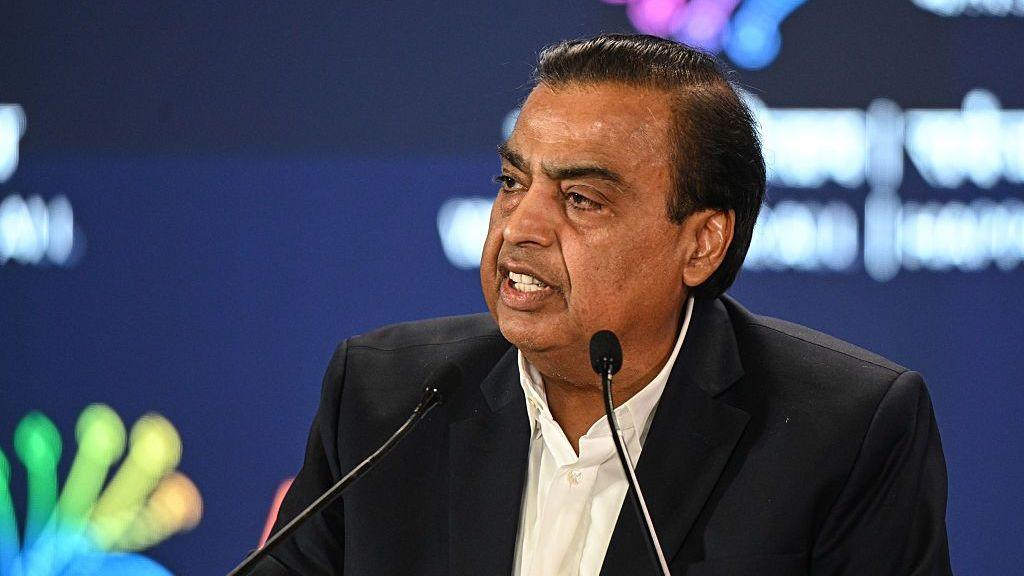
Elon Musk has leveled accusations that India’s richest man, Mukesh Ambani, is impeding Starlink’s entry into the country, prompting a public standoff.
In a tweet that followed the UK‑India telecom summit, Musk alleged that Ambani’s conglomerate, the owner of Jio—the nation’s largest mobile operator—was holding a monopolistic grip on Indian consumers and blocking the satellite‑based internet service. The claim follows an earlier statement that unnamed “oligarchs” were attempting to hinder Starlink’s launch.
India’s Ministry of Communications has rebuffed the allegations, stating that Starlink, Eutelsat OneWeb, and Jio Satellite Communications are at a similar stage of the approval process, with all awaiting security clearances and spectrum allocation. Officials described Musk’s criticism as “baseless and misconceived.”
Starlink, operated by SpaceX, has been preparing to enter India since 2021 and has already secured key licences, yet it still needs final regulatory nods. The company has built security controls into its network to satisfy Indian requirements, but it remains unclear when the service will become commercially available.
Ambani’s Reliance Jio and rival Bharti Airtel have announced their own satellite plans and are also awaiting government approval. While Starlink could bring high‑speed internet to remote regions, questions about affordability and pricing remain. In the United States, Starlink residential plans start at $55 a month; however, experts warn that India’s market dynamics may dictate higher prices.
With India being one of the world’s largest internet markets, the dispute underscores the broader debate around market domination, regulatory fairness, and the potential to bridge digital divides in remote parts of the country.