In brief
Residents displaced by the catastrophic fires in Maui are on edge as they wait for FEMA to decide whether to continue housing assistance that has been crucial in the recovery process. Many fear the expiration of this aid will exacerbate an already tight rental market, pushing them into homelessness amidst a severe housing crisis. Advocates are urging an extension to prevent further displacement as the community navigates the aftermath of the fires.
Nearly 1,000 households displaced by catastrophic wildfires in Maui are anxiously awaiting word on whether federal assistance helping them stay housed will be left to expire, forcing them to find new housing or pay more for it in one of the tightest and most expensive rental environments in the country.
For two and a half years, the Federal Emergency Management Agency has been key to assisting those residents. But FEMA — facing a broader Trump administration effort to diminish the agency’s role and shift more responsibility to states — is set to choose in the coming weeks whether to end the funding.
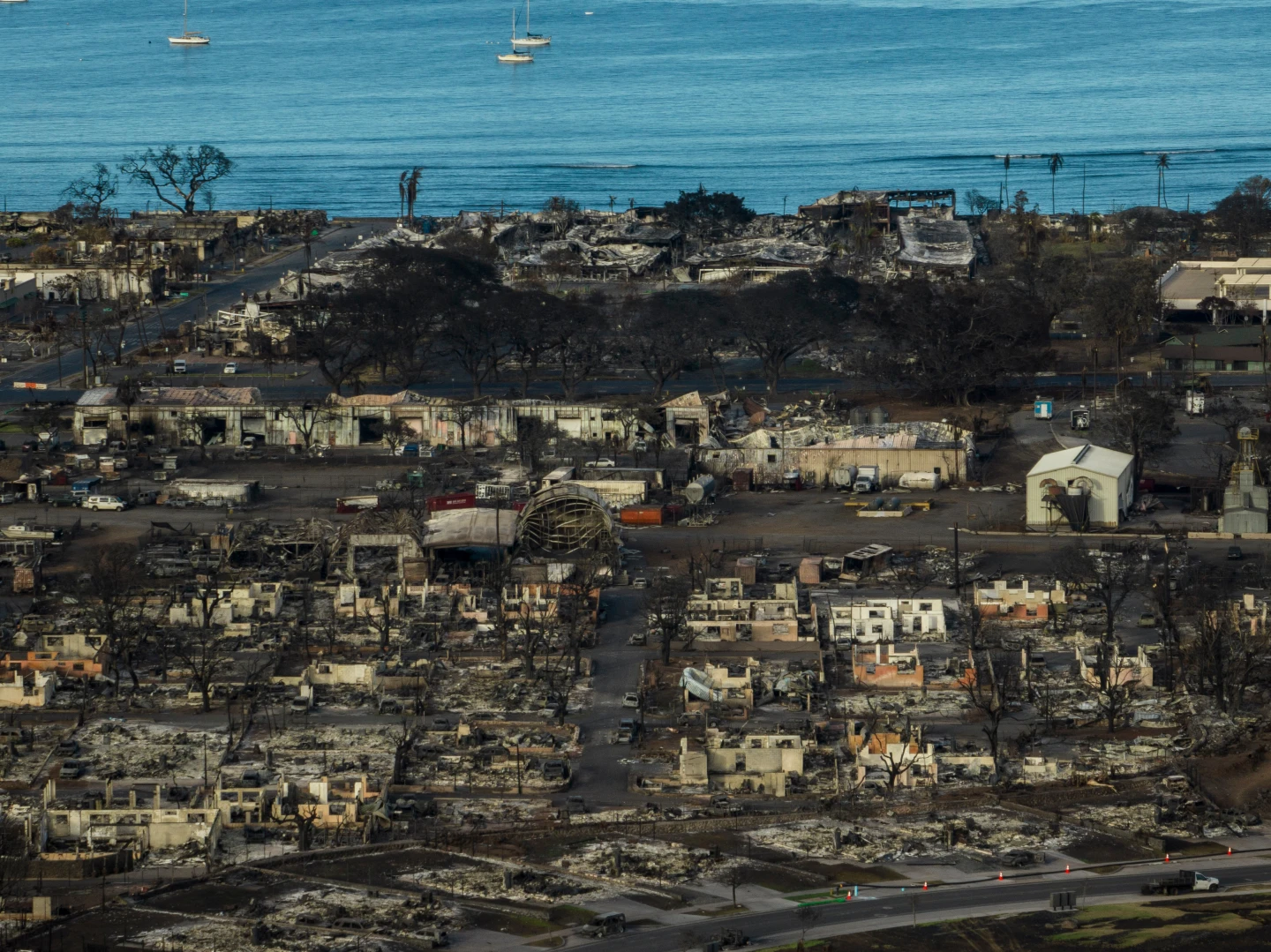
Advocates say evicting renters and taking away financial assistance will undermine progress toward bringing residents back to Lahaina, the West Maui town that was largely razed by a massive fire on Aug. 8, 2023, and could lead to a new wave of homelessness and more departures from the island.
“All of them entering into our already impacted rental market in February scares me a lot,” said Nicole Huguenin, executive director and co-founder of the mutual aid organization Maui Rapid Response.
The fires in Lahaina and Kula, in Maui’s upcountry region, destroyed 2,200 structures and killed 102 people. Then-President Joe Biden declared a major disaster, unlocking FEMA assistance to help 12,000 displaced people, 89% of whom were renters at the time of the fires. His administration eventually extended the 18-month program until February 2026.
But with few homes rebuilt and rental inventory nearing zero, the state requested another extension last May with a decision due before the end of January.
The uncertainty comes against the backdrop of greater upheaval surrounding FEMA’s future role in disaster recovery. President Donald Trump has frequently floated the idea of eliminating the agency, saying he wants states to take on more responsibility handling disasters.
While it’s not clear whether that change in approach will influence the decision on the housing assistance, it is weighing on residents. “It falls into the hands of the current administration and I’m not sure if they’re fond of the amount of money we’ve had to use,” said Kukui Keahi, a Lahaina fire survivor who rents an apartment through FEMA after living in her car and couch-surfing after the fire.
If the program expires, all housing-related financial assistance to fire survivors would cease and any units being leased directly through FEMA must be vacated, according to an agency notice. Maui County spokesperson Laksmi Abraham said the county was “working with the state and FEMA toward an extension and is optimistic that an extension will be granted.” FEMA declined to comment.
As Maui continues to heal, advocates and affected residents hold a glimmer of hope for financial aid, understanding the significant role it plays in their recovery towards rebuilt lives.