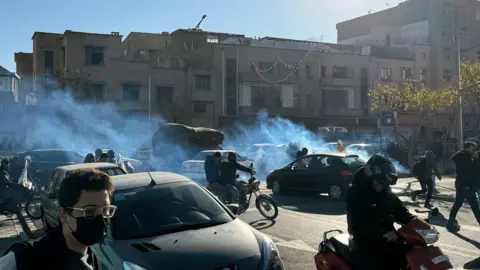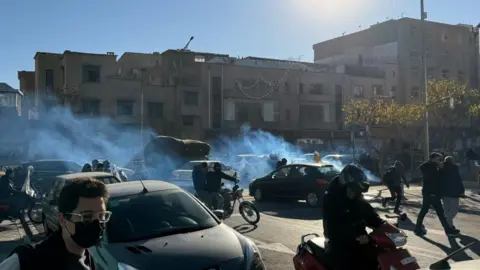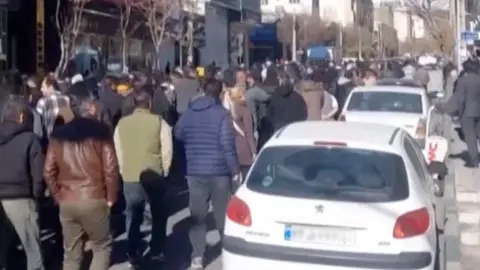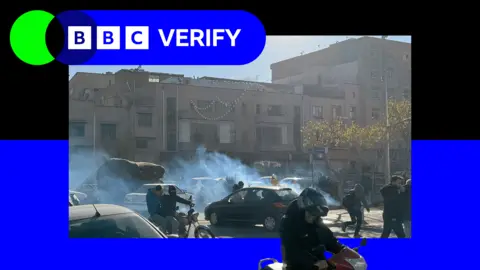
Protests have broken out in at least 17 of Iran's 31 provinces, presenting the largest challenge to the country's clerical establishment since 2022, a BBC Verify and BBC Persian analysis has found.
The protests have surged since 28 December, first igniting in Tehran following significant devaluation of the rial. Verified footage indicates that demonstrations have occurred in over 40 towns and cities.
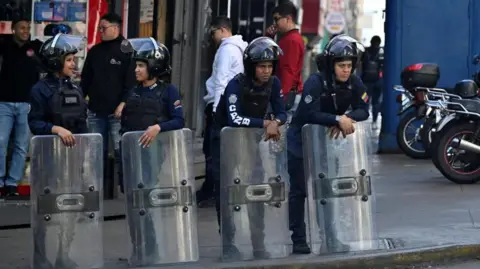
Authorities' initial response was measured, but escalating violence has been reported with the police intensifying force since Supreme Leader Ayatollah Ali Khamenei's comments urging action against ‘rioters’. Reports from human rights groups indicate at least 35 deaths linked to the protests, predominantly as a reaction to government mismanagement of the economy and systemic corruption.
Analysts indicate that unrest in traditionally loyal regions such as Qom and Mashhad reflects a deepening crisis within the government’s support base due to economic disparities. Although the protests underscore severe public discontent, experts believe they do not yet pose an existential threat to the regime. The Iranian regime's lengthy history of suppressing dissent raises concerns for how this unrest might evolve.
"Escalating repression is likely to deepen resentment toward the political system,” comments Peyman Jafari, indicating the precarious balance the government maintains with its security forces. Reports also detail a mix of aggressive police action and a greater push for dialogue amid increasing civil unrest.