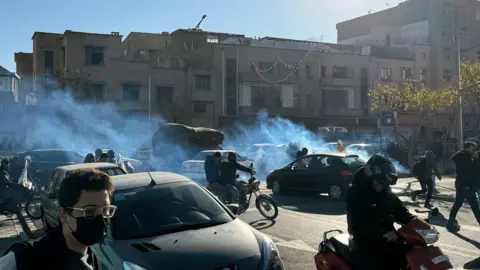
Iran is no stranger to street protests, but several factors surrounding the current unrest make it very serious.
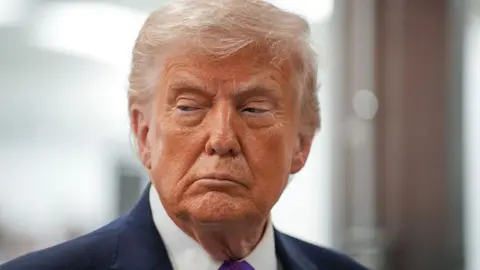
Monday marks the ninth day since demonstrations broke out, yet even four or five days were enough for President Trump to issue a direct warning to Iranian leaders over the treatment of protesters, saying the US was locked and loaded. This was shortly followed by a US special forces operation targeting Nicolás Maduro in Venezuela, resulting in another warning on Sunday.
Such direct threats from a sitting US president amid ongoing protests are highly unusual and could embolden demonstrators, encouraging unrest to spread further. Iranian police and security forces have responded violently, with reports from human rights groups indicating more than 20 fatalities so far. The protests initially unfurled peacefully on Sunday 28 December, triggered by public anger over inflation and the devaluation of currency, now up 80% compared to last year.
Iran's economy faces dire challenges. Official annual inflation hovers around 42%, with food inflation surpassing 70%, and basic goods seeing price increases exceeding 110%.
Vulnerable position
While international sanctions led by the United States exacerbate the economic crisis, they are not the sole reason for widespread discontent. High-profile corruption cases involving senior officials have fueled public outrage, with many believing the elite exploit the crisis for personal gain.
Shops in Tehran's Grand Bazaar were among the first to protest against daily currency fluctuations, soon evolving into calls for the government's removal. Students and small business owners joined in, chanting slogans against the supreme leader. This unrest echoes the massive protests of 2022, triggered by the death of Mahsa Amini while in police custody, which were later suppressed.
Concerns are growing that the current unrest could have further-reaching implications for Iran's stability than the previous demonstrations. Protests have persisted amidst media restrictions and an environment hostile to independent reporting.
Series of setbacks
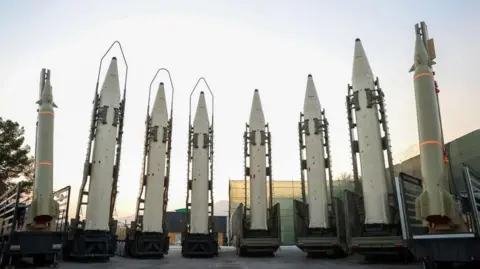
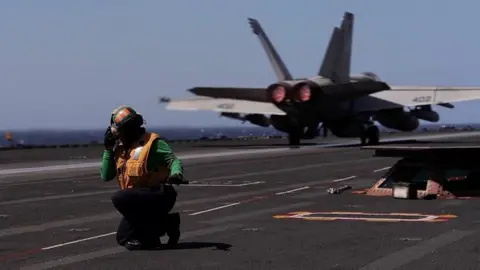
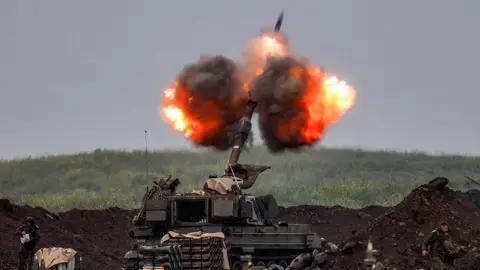
The recent 12-day war with Israel drastically affected Iran's military capabilities and geopolitical standing. The conflict reduced Iran's nuclear infrastructure and its influence in the region, with significant losses reported. Coupled with adverse developments in Venezuela and the broader Middle East, Iran's options for support and economic dealings are diminishing.
As protests escalate alongside external pressures, Iran's leadership, primarily under Supreme Leader Ali Khamenei, finds itself at a critical juncture, with years of efforts to build a resilient state compromised. With little room to maneuver diplomatically, the government's position appears increasingly tenuous.