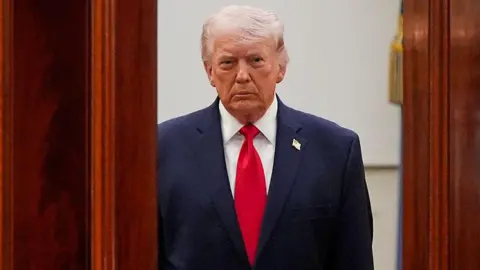
CARACAS, Venezuela (AP) — In a dramatic escalation of U.S. intervention in Latin America, President Donald Trump announced that Nicolás Maduro has been captured by American military forces in an audacious strike. The operation follows months of U.S. pressure on Maduro's regime and has significant implications for the region.
After the capture, Trump addressed the media, outlining plans for the U.S. to take control of Venezuela, stating the nation would utilize its extensive oil resources to support stability and aid efforts. We will fix the country’s oil infrastructure and sell large amounts of oil to other nations, he proclaimed.
The operation, cloaked in secrecy before its execution, faced immediate backlash from Maduro's vice president, who asserted that Maduro is Venezuela's legitimate leader and called for his release. State media continues to portray Maduro as the incumbent authority, broadcasting images of rallies protesting U.S. actions.
Explosions and Chaos
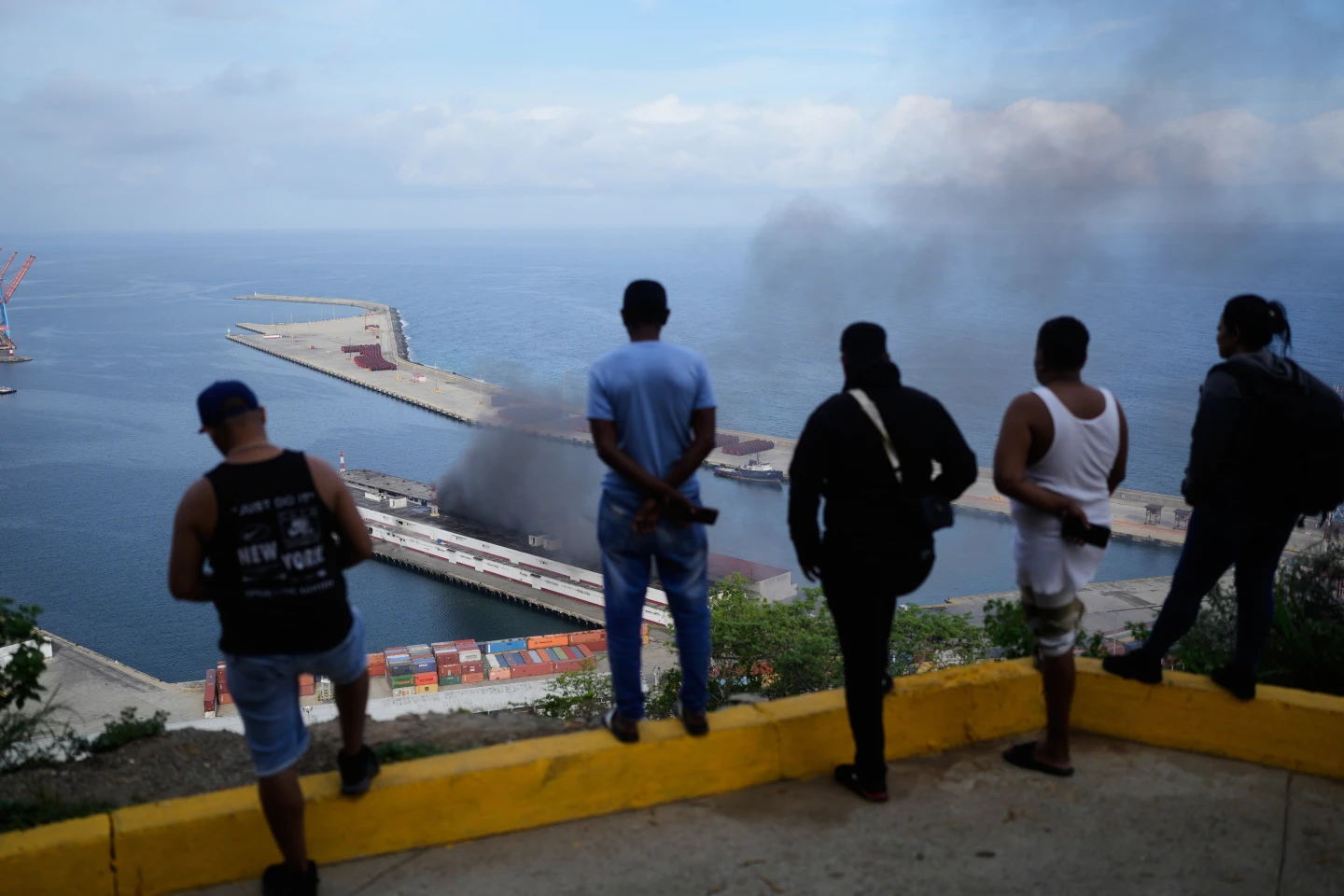
The operation was marked by explosions across Caracas, causing chaos as U.S. forces moved in. Multiple blasts were reported in the early morning, leading to assertions from Maduro's government that these were unjustified attacks on civilian and military sites.
Domestically, Responses Are Divided
As news of Maduro's capture spread, Venezuelans reacted with a mixture of relief and despair. Outside the country, celebrations erupted in Doral, Florida, home to a large Venezuelan community, as crowds gathered to express joy over the news. In contrast, Caracas saw significant demonstrations from Maduro’s supporters demanding his reinstatement.
Questions of Legality
Legal experts and lawmakers have raised concerns over the legitimacy of the U.S. military's actions, emphasizing that Congress had not been informed before the operation commenced. Trump defended the necessity of the operation, asserting that rapid action was essential to protect American lives and interests.
As the situation evolves, the international community watches closely, questioning the future of governance in Venezuela and the implications for U.S.-Latin American relations.