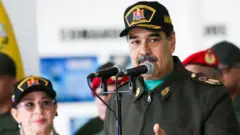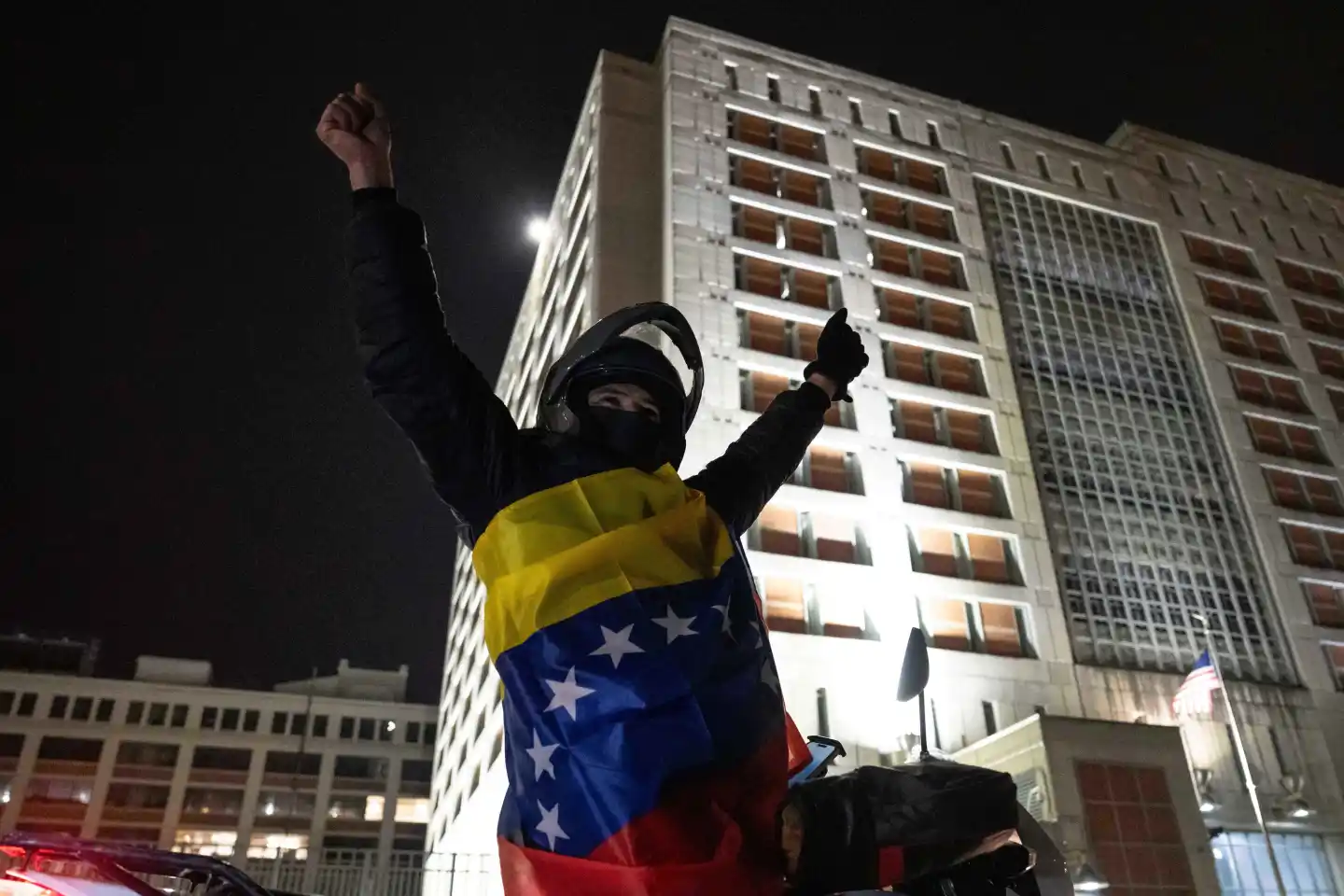
NEW YORK (PulseWire) — Venezuelan President Nicolás Maduro is currently held at the Metropolitan Detention Center (MDC) in Brooklyn, an institution infamous for its troubled history and conditions that have led some judges to refuse to send inmates there. The MDC has housed an array of infamous figures, including stars like R. Kelly and Sean “Diddy” Combs.
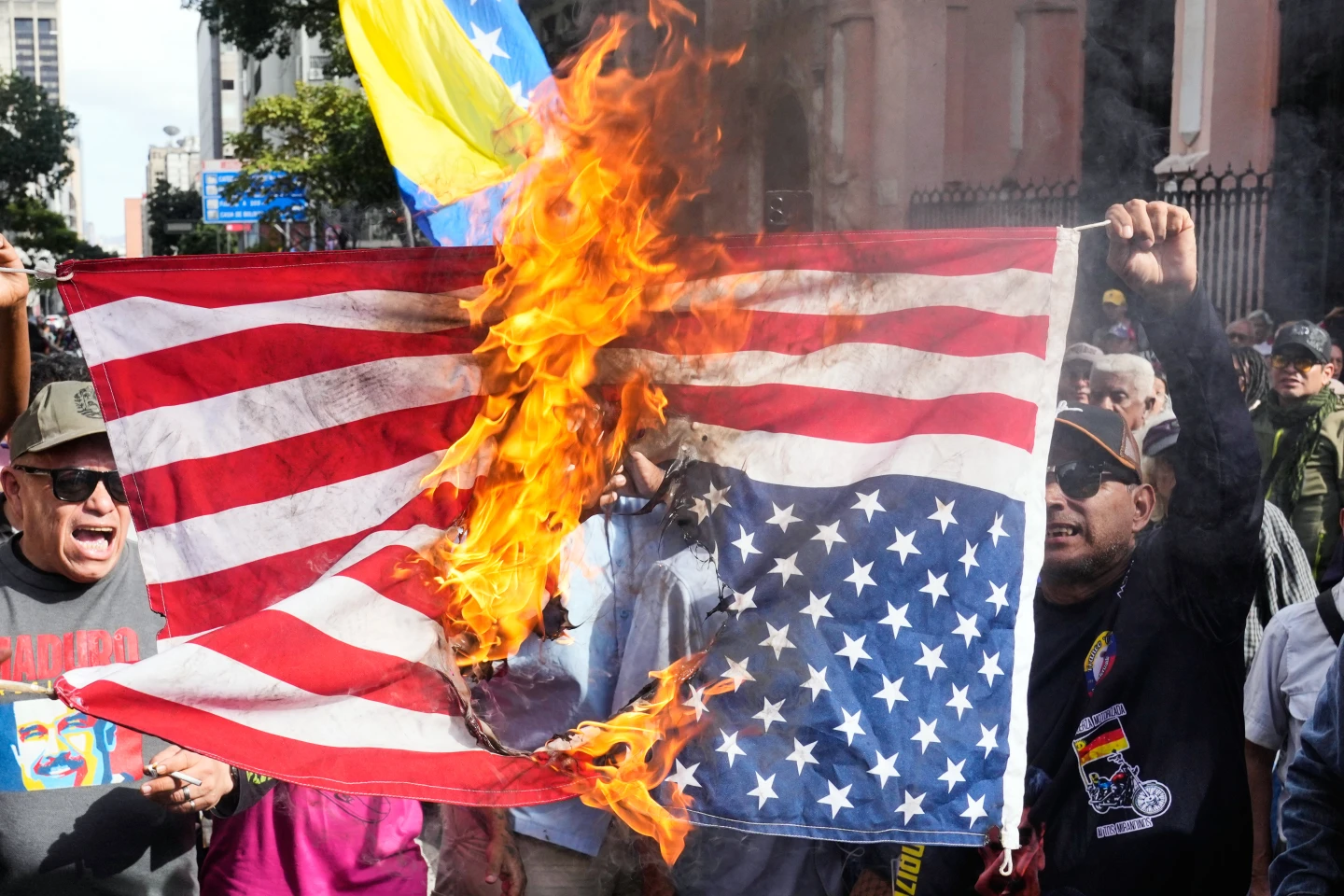
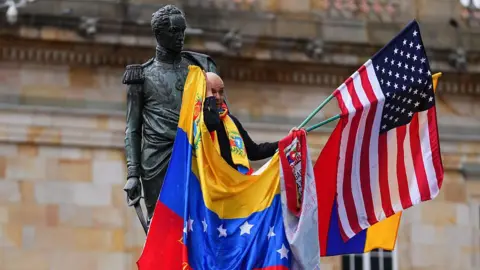
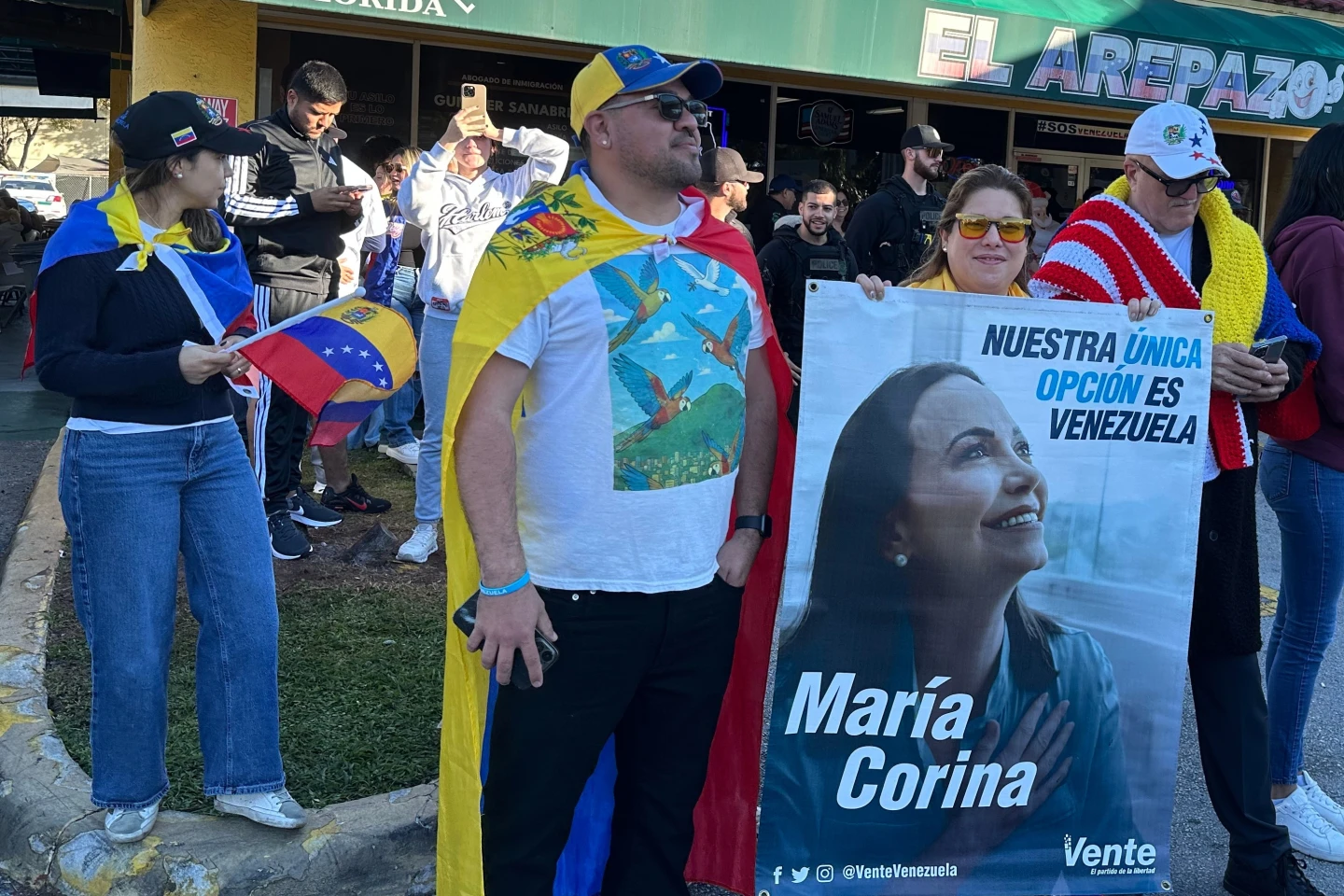
The facility was opened in the early 1990s and currently holds approximately 1,300 inmates, serving as a key location for those awaiting trial in federal courts in Manhattan and Brooklyn. Maduro's arrival saw a significant gathering of Venezuelan expatriates outside the jail, many draped in national flags, celebrating the capture of their former leader as the law enforcement motorcade arrived.
Notably, Maduro is not the first national leader to find himself incarcerated at MDC; his predecessor, Juan Orlando Hernández, former president of Honduras, was also imprisoned there pending a trial for alleged drug trafficking.
The MDC has made headlines for its high-profile detainees, including Sam Bankman-Fried and Ghislaine Maxwell, along with being the current residence of Ismael “El Mayo” Zambada Garcia, a co-founder of the Sinaloa drug cartel.
Despite efforts by the federal Bureau of Prisons to enhance safety and conditions—such as increasing staff and ameliorating a backlog of over 700 maintenance requests—claims of violence persist. Just last year, two inmates were killed, and accusations involving corrupt practices among staff members have arisen. During the 2019 winter, a severe power failure left the institution without power for a week.
The facility is located near a shopping mall and provides views of the Statue of Liberty, but recalls have described it as resembling a “hell on earth.” Nevertheless, with the inmate population reduced significantly since January 2024, the Bureau asserts that safety has improved considerably.
Now, as Maduro awaits potential trial and faces many familiar faces within the walls of the MDC, including co-defendant Hugo Carvajal, the implications for U.S. foreign policy and Venezuelan politics remain to be seen.