In brief
In the past three days, about 2,000 people in Indonesia fell ill after eating free school meals supplied under President Prabowo’s nutrition programme. 777 students and staff in Rembang, 752 in Lasem, and 730 in Sidoarjo reported severe symptoms, with some children transported to hospitals in wheelchairs. The incidents raise concerns about food safety, storage, and possible corruption, prompting local authorities and the Ministry of Nutrition to investigate and promise medical support. The government is reviewing the distribution process while several schools have taken students home or sent them to clinics. The outbreak casts a shadow over a multi‑billion‑dollar national initiative aimed at improving child nutrition.
In the last 72 hours a series of food‑poisoning incidents linked to Indonesia’s free school meal program has sickened almost 2,000 students and teachers. The headteacher at a high school in Rembang, Central Java, confirmed that 777 pupils and staff fell ill after lunch, while a similar outbreak in Lasem, East Java reported 752 casualties.
The meals belong to the government’s “Makan Bergizi Gratis” (MBG) scheme, a flagship policy of President Prabowo Subianto that aims to boost nutrition for schoolchildren across the nation. It is a multibillion‑dollar programme that has faced criticism for its cost and alleged corruption.
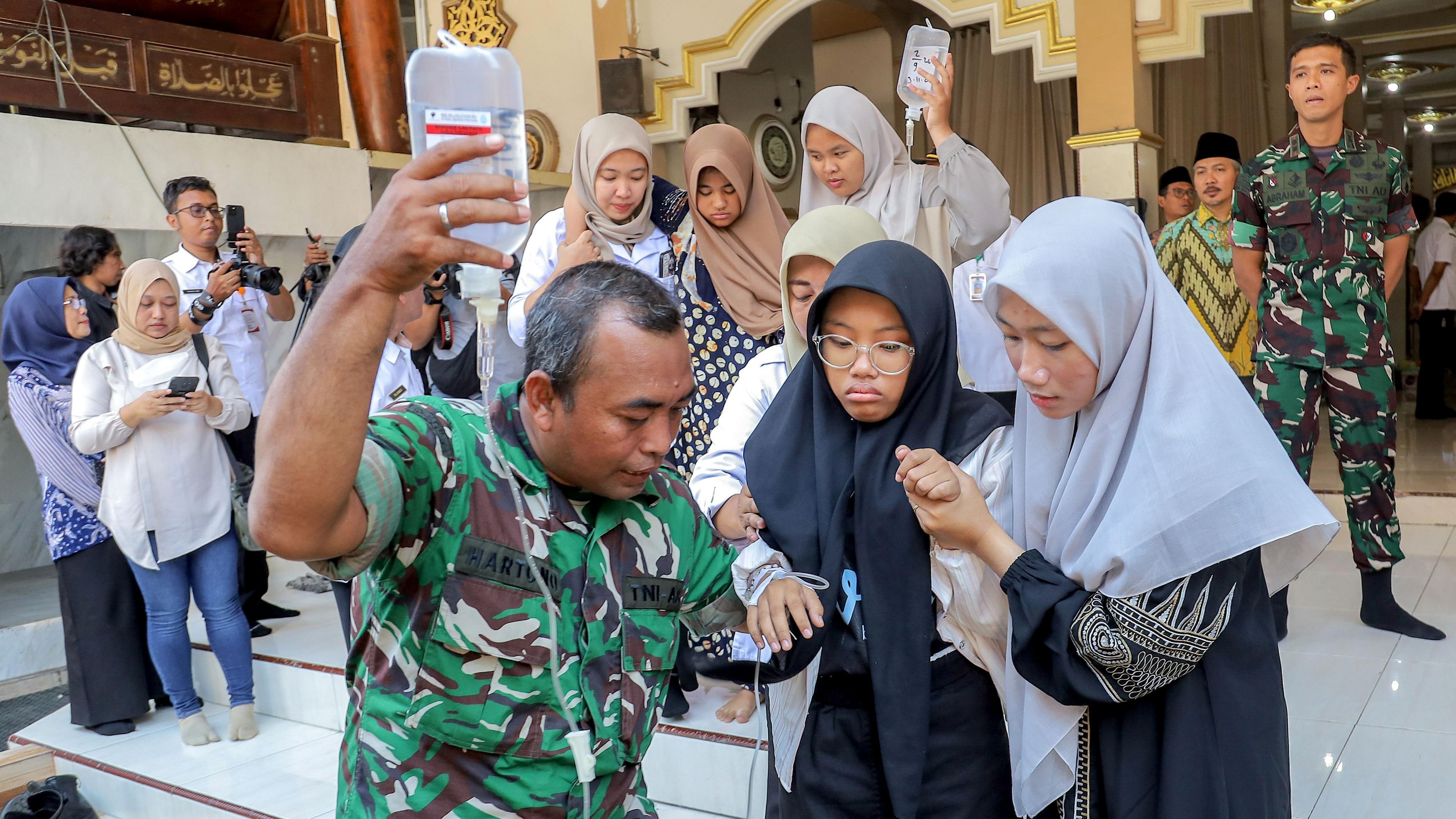
Students at a boarding school in Sidoarjo, East Java, reported dizziness and nausea before developing severe stomach cramps, with several requiring hospital transfer in wheelchairs. In Lasem, pupils were sent home and 95 staff members left the school, while the local food distributor arrived to take responsibility.
Authorities are testing food samples for contamination and investigating storage practices. The head of the food distribution unit apologised, pledging a comprehensive evaluation of the unit’s operations after the incident, and the National Nutrition Agency’s director warned that criminal negligence would be pursued if found.
The outbreaks raise urgent questions about the safety and integrity of the MBG programme as it continues to serve millions of children each month.