In brief
The rapid deforestation of tropical forests sets off global alarm bells, revealing dire consequences for climate and biodiversity.
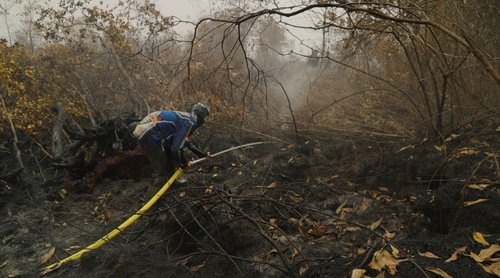
Last year marked a record-breaking surge in the destruction of the world's tropical forests, essential guardians against climate change. New satellite analysis reveals an astonishing loss of approximately 67,000 square kilometers (26,000 square miles) of these vital ecosystems—an area comparable to the size of Ireland, translating to the loss of 18 football fields every minute.This dramatic loss can primarily be attributed to wildfires, which have overtaken agricultural land clearing as the main driver of deforestation for the first time. The Amazon rainforest has been particularly affected amidst an unprecedented drought exacerbated by climate change.While the news remains grim globally, Southeast Asia has exhibited signs of hope. Government interventions have successfully curbed forest losses, including an 11% reduction in Indonesia, thanks to stringent "no burning" laws, demonstrating the importance of political will in conservation efforts.Tropical rainforests serve as significant carbon sinks, storing billions of tonnes of carbon, but with such rapid deforestation raising concerns about their long-term viability, researchers suggest that some areas may be nearing a "tipping point." This refers to an irreversible decline of certain forests where they may transition into savanna ecosystems.Prof Matthew Hansen from the GLAD laboratory at the University of Maryland expressed trepidation over the alarming data, warning of potential permanent shifts in rainforest ecology. He stressed the need for ongoing and consistent conservation policies, particularly as significant emissions from forest fires—about 3.1 billion tonnes in 2024—pose serious threats to global warming.Moreover, this year’s UN climate summit, COP30, being held in the Amazon, emphasizes the necessity of sharing effective strategies for forest conservation. One such proposal aims to incentivize forest preservation through financial rewards for countries that successfully maintain their tropical ecosystems. Despite the challenges presented by climate change, the stark contrast between progress in Southeast Asia and setbacks in other regions underscores the urgent need for comprehensive and sustained efforts to protect the planet’s remaining tropical forests.