In brief
The enduring legacies of labor rights leaders César Chavez and Dolores Huerta are under scrutiny following sexual abuse allegations against Chavez. Celebrations honoring Chavez have been canceled as the movement's foundation is reevaluated. Historically, Chavez and Huerta are credited with advancing the rights and conditions of farmworkers, yet recent revelations have sparked a complex conversation about their accomplishments and transgressions.
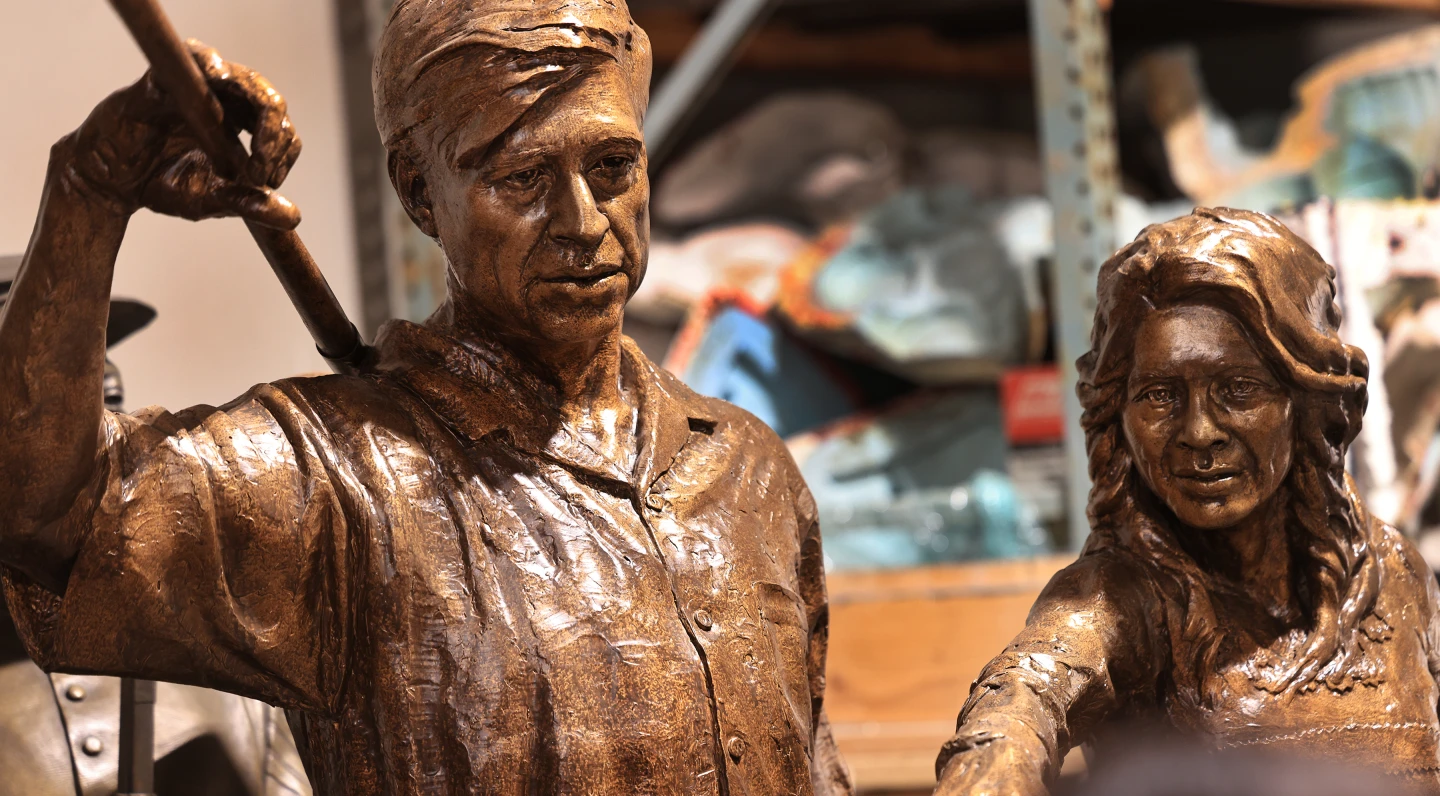
César Chavez and Dolores Huerta, labor rights pioneers, have historically led efforts to secure better wages and conditions for farmworkers. However, recent sexual abuse allegations against Chavez have prompted a reevaluation of his legacy, resulting in the cancellation of planned celebrations nationwide.
Chavez, who passed away in 1993, and Huerta co-founded the iconic National Farm Workers Association, advocating for agricultural labor rights across the United States. Paul Ortiz, a professor at Cornell University, emphasized the significance of their work, which marked a watershed moment in U.S. history, particularly within Latino communities.
Despite the triumphs achieved under their leadership—such as the establishment of collective bargaining rights for farmworkers—Huerta, now aged 95, has also faced her share of trauma in this reevaluation process. The allegations have ignited discussions on the intersection between legacy and personal misconduct, leading many states to reconsider their honors for Chavez, including March 31, marked as his commemoration day.
The fallout serves as a poignant reminder that while revolutionary leaders can push forward significant progress, their personal actions can cast long shadows, complicating the narratives of their achievements.