In brief
In a nation enduring sweeping blackouts due to a fuel blockade, expectant mothers like Mauren Echevarría Peña and Indira Martínez express their concerns about childbirth amidst these crises. With limited medical resources and challenges surrounding nutrition, these mothers confront an uncertain future for their children in a deteriorating socio-economic landscape.
Since the Trump administration imposed a near-total fuel blockade on Cuba three months ago, Mauren Echevarría Peña has been inside a ward in Havana's specialist maternity and neonatal hospital. Mauren, 26, is expecting her first baby, but her pregnancy has been complicated by gestational diabetes and chronic hypertension. With her baby boy due this week, Mauren is understandably nervous. Not only has she had to endure weeks of bed rest and constant supervision, but she must give birth in a nation experiencing rolling blackouts and days-long power cuts.
Over the weekend, there was another nationwide collapse of the crumbling electrical grid. Still, Mauren is grateful for the attention she's received from the medical staff who have been working around the clock under extremely challenging conditions. The BBC was granted access to the state-run facility as a coalition of international solidarity movements arrived in Havana with boxes of aid donations for the maternity hospital. Mauren strikes a defiant tone, saying that the country will always find a way to move forward in a crisis, but admits to being worried about the prospect of potentially giving birth during another blackout. There are an estimated 32,800 pregnant women in Cuba at present, according to government statistics, but many have not been able to count on the kind of support Mauren has received from the state.
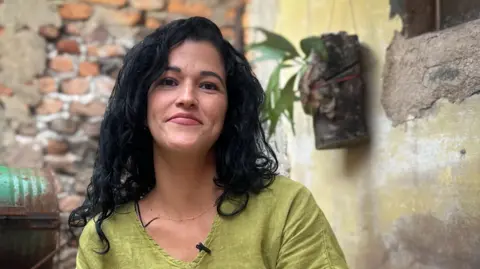
Elsewhere in Havana, Indira Martínez, another expectant mother who is seven months pregnant, shares her experience. She has not been able to cook or prepare nourishing meals for days due to frequent power outages that have left her without a working refrigerator or stove. Her family relies on her husband's modest income as a blacksmith while she cannot work due to pregnancy. Indira expresses deep concerns about not only the birth of her daughter but the limited prospects her child will face in such a challenging socio-economic environment.
With hospitals struggling to source fuel to run emergency generators amidst the blackouts, fears abound that childbirth could occur in darkened conditions. While Cuba's healthcare has traditionally provided a safety net for pregnant women, the current crisis raises alarming questions about the future for mothers and their newborns. As families brace themselves for the reality of limited resources and stagnant opportunities, hope for a brighter future remains deeply entwined with the struggle for basic survival.