In brief
Adrian Gonzales, charged with child abandonment and endangerment in connection with the Uvalde school shooting, awaits jury deliberation following a trial marked by emotional testimonies from teachers and stark evidence presented by prosecutors. Gonzales maintains he did not see the gunman and claims he acted according to his training.
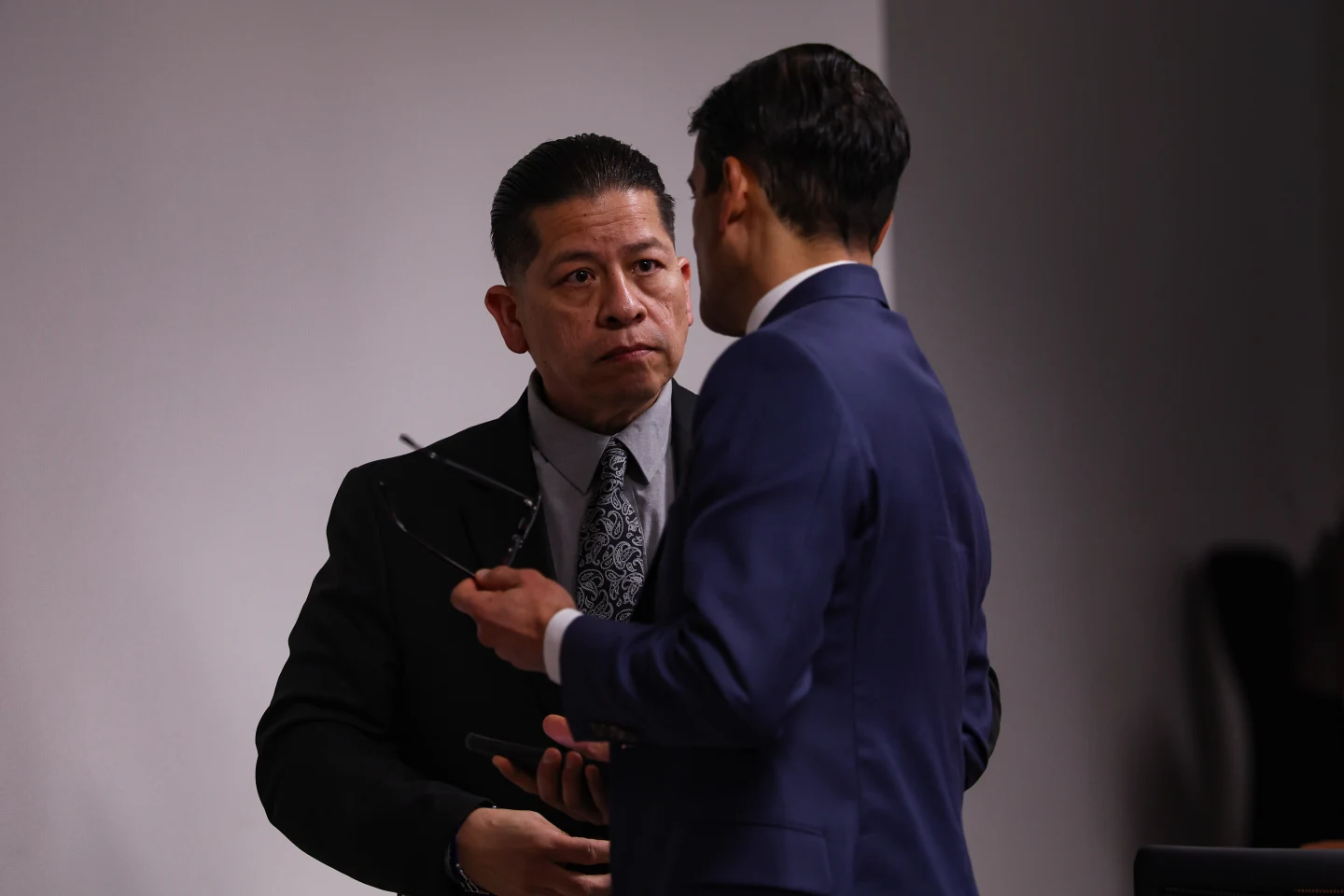
CORPUS CHRISTI, Texas (AP) — The trial of former Uvalde school police officer Adrian Gonzales, accused of neglecting his duties during the 2022 Robb Elementary School shooting, has concluded with jury deliberations expected to commence shortly.
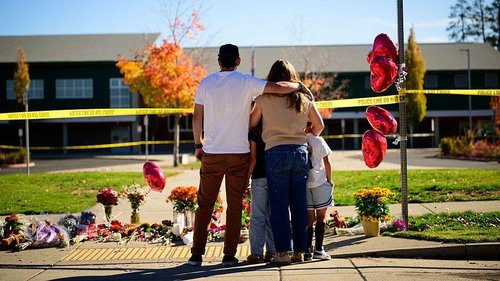
Gonzales faces 29 counts of child abandonment or endangerment related to the tragic shooting that resulted in the deaths of 19 students and two teachers. His attorneys and state prosecutors delivered closing arguments, emphasizing a very rare court situation where a police officer is prosecuted for failing to prevent a deadly incident.
A notable point raised by special prosecutor Bill Turner was the crucial three-minute window between Gonzales’ arrival and the decision to enter the building, suggesting every second lost risked more lives in an active shooter situation.
Gonzales, who did not testify for his defense, vehemently claims he did not see the gunman during those chaotic moments. His legal team presented minimal witness testimonies, including account from a nearby witness who stated she observed the shooter attempting to evade capture.
As the prosecution unfolded, they called upon 36 witnesses over nine days, revealing graphic imagery from inside the school and accounts of the relentless response efforts. Emotional testimonies harbored insights into the harrowing atmosphere teachers faced as the gunman proceeded into the building.
After moving the trial from Uvalde to Corpus Christi due to concerns around a fair trial, some grieving families traveled long distances to witness the proceedings. The emotional weight of the day was further exemplified when a victim's family member had to be removed for disrupting the courtroom following a witness' statement.
Since the shooting, Gonzales has become embroiled not only in this legal battle but in broader discussions about police accountability during active shooter scenarios. He is among the few officers being criminally charged for what many deem a delayed response, alongside the former Uvalde school police chief.
The trial has not only illuminated the dark realities faced during the chaos of school shootings, but it also calls into question the protocols and decisions made by law enforcement in crisis situations, as they prepare for the verdict that will come from their peers.