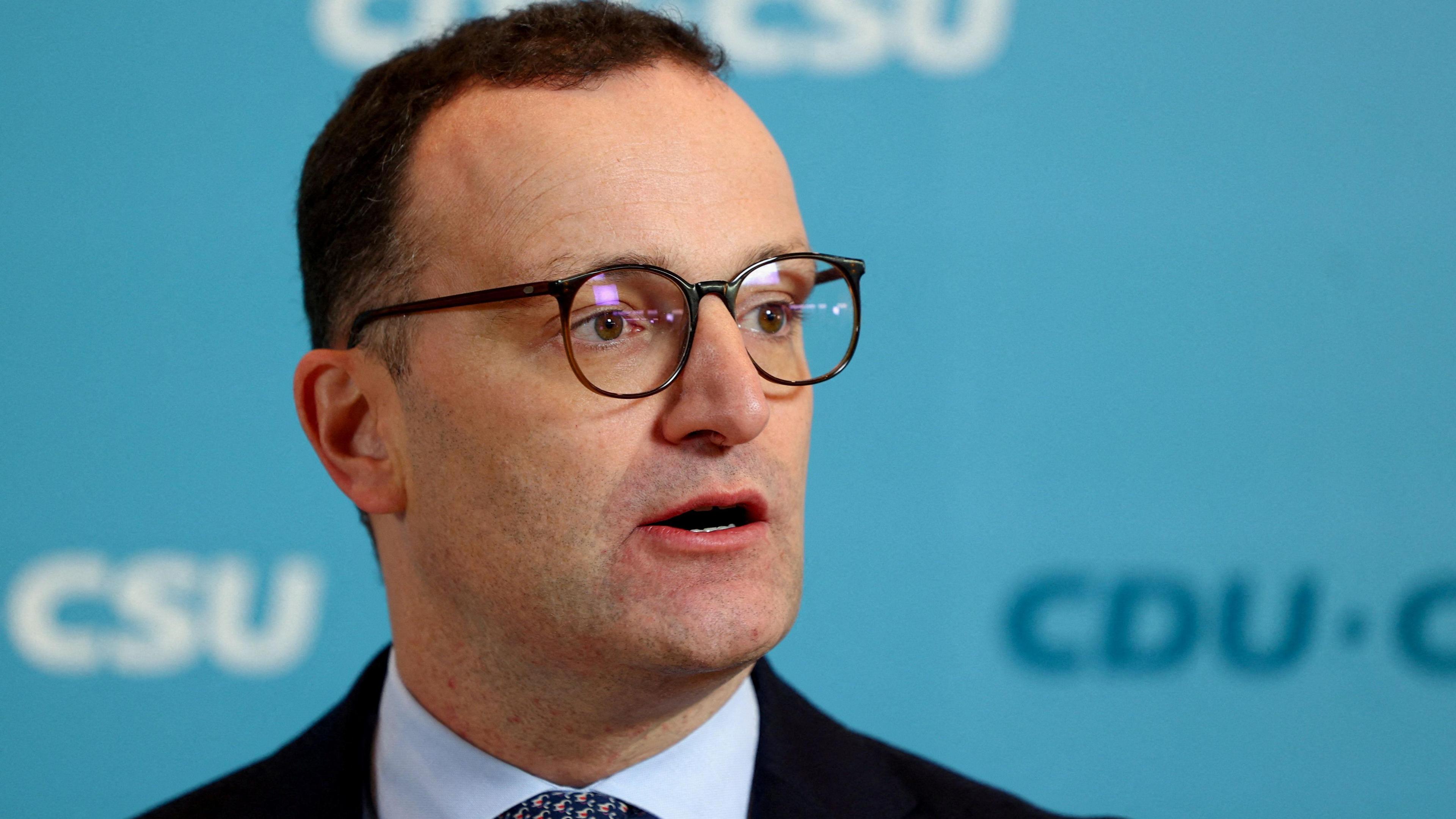
Jens Spahn, a key CDU figure and former health minister, has resigned as parliamentary group leader after the media exposed his use of a surrogate mother abroad to raise a child with his husband Daniel Funke.
Surrogacy is illegal in Germany, a stance the CDU backs, yet having one’s child born to a surrogate overseas is not expressly prohibited. Spahn admitted that his personal joy in becoming a father was not compatible with his official office, citing a conflict of interest that led to his resignation.
Chancellor Friedrich Merz welcomed the move, calling it "right" and "inevitable". He stressed that credibility is the highest asset in politics and said he would begin appointing a replacement.
Spahn’s past statements reflect a strong opposition to surrogacy. In 2020 he vetoed calls for a relaxed ban, calling the idea of a "rented womb" morally difficult for a gay man and a Christian. By 2015 he had echoed the sentiment that surrogacy is morally problematic.
The resignation comes amid a critical period for the CDU: the party’s popularity is falling, and the upcoming regional elections risk giving the far‑right Alternative for Germany a chance to seize power for the first time since World War Two.
Political analysts suggest that Chancellor Merz may find the departure of Spahn advantageous, eliminating a potential threat to his own ambitions for higher office.
Surrogacy remains a controversial issue across Europe. France, Spain, and Italy have banned the practice, and Italy’s 2024 law now prevents its citizens from seeking surrogacy abroad. Recent Supreme Court rulings in France have legally recognised children birthed via foreign surrogacy as belonging to their intended parents.
The scandal has amplified calls for stricter enforcement of surrogacy laws within Germany, pushing the dialogue around reproductive rights and political ethics into the spotlight.