In brief
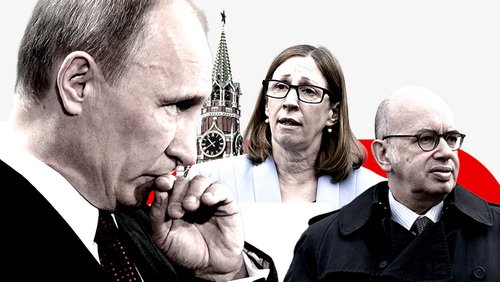
Russian leader Vladimir Putin has stepped up hostile comments toward NATO allies, especially the United Kingdom, yet officials insist Moscow wants to dodge a full-scale military conflict. Washington’s CIA chief recently visited Moscow to urge Russia against striking NATO territory, but Russian warnings about targeting UK forces are deemed routine. Hybrid warfare—cyber attacks, sabotage and drone strikes—continues to intensify as Russia seeks to sap Western resolve. Despite setbacks in the eastern Donbas region and rising casualty rates, the Kremlin remains steadfast in its objectives but has not signaled mass mobilisation.
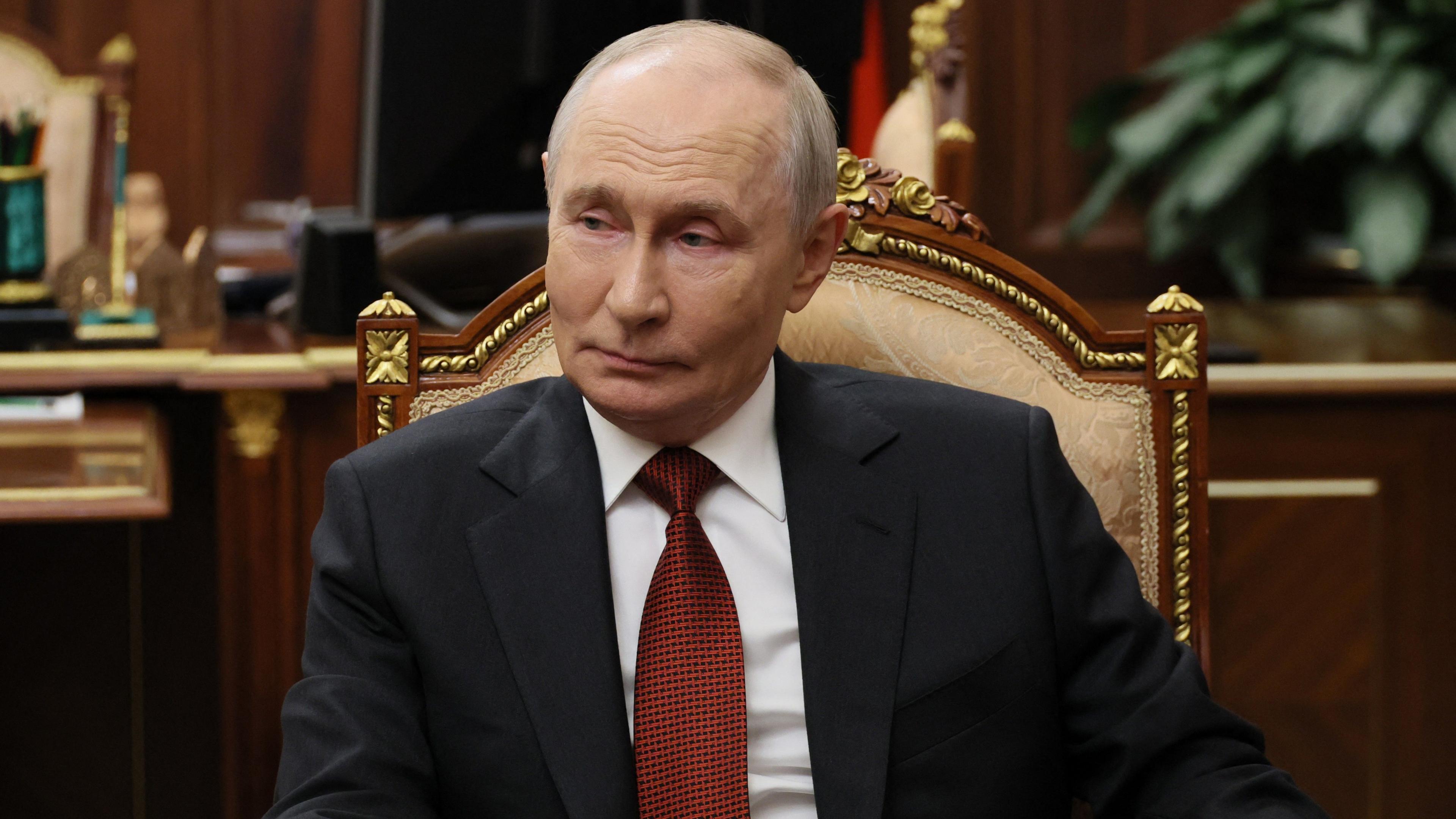
Vladimir Putin has amplified his rhetoric toward NATO members, particularly the United Kingdom, in the wake of the Ukraine conflict.
Western officials state that while the Kremlin has issued warnings that UK forces could be targeted, these claims are consistent with Russia’s long‑standing approach of applying pressure on the West through hybrid tactics.
Recent intelligence suggests that a CIA chief pushed for an unannounced meeting in Moscow aimed at dissuading Russia from launching attacks on NATO territory.
Officials also point to an upsurge in drone incidents across European airfields, echoing last year’s pattern of Russian‑linked attacks, though no confirmed links have yet emerged.
In response, French security heads warn that the possibility of violent hostile actions on domestic soil could materialise, although NATO allies are urged to remain calm, not complacent.
The war in Ukraine is described as having escalated this year, with both sides intensifying long‑range strikes. Despite mounting opposition at home—fuel shortages, heavy defeats, and the loss of thousands of soldiers a month—Putin has not signaled a mass mobilisation of troops.
Reuters notes that Russia’s gains in eastern Donbas are slow, and casualties continue to mount, yet the Kremlin’s strategic objectives appear unchanged, signalling ongoing pressure on Western resolve through non‑direct methods such as cyber campaigns and sabotage.
As diplomatic and military tensions rise, the Kremlin’s dual stance of avoiding direct confrontation while sustaining hybrid warfare remains a central concern for NATO and its allies.