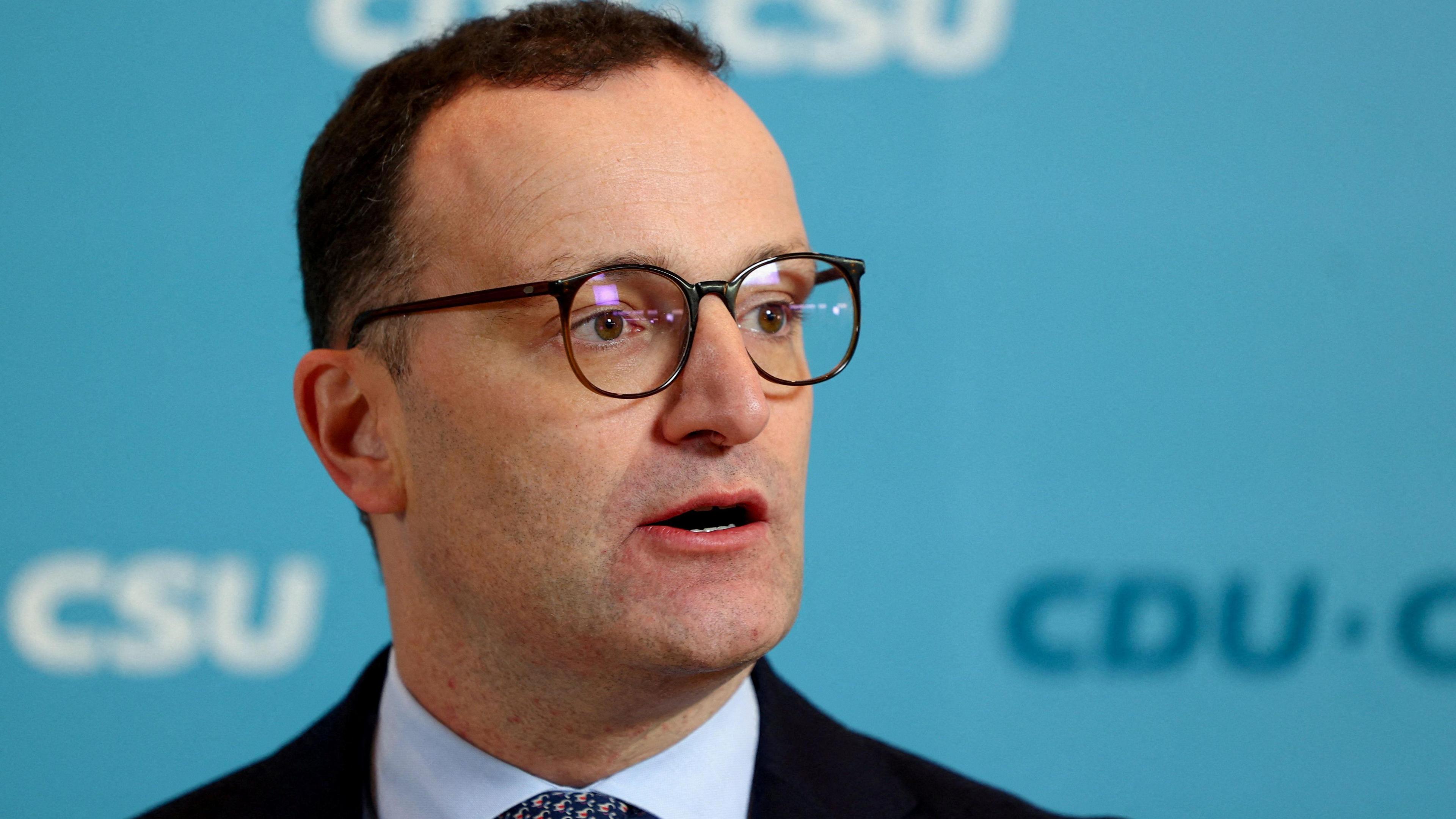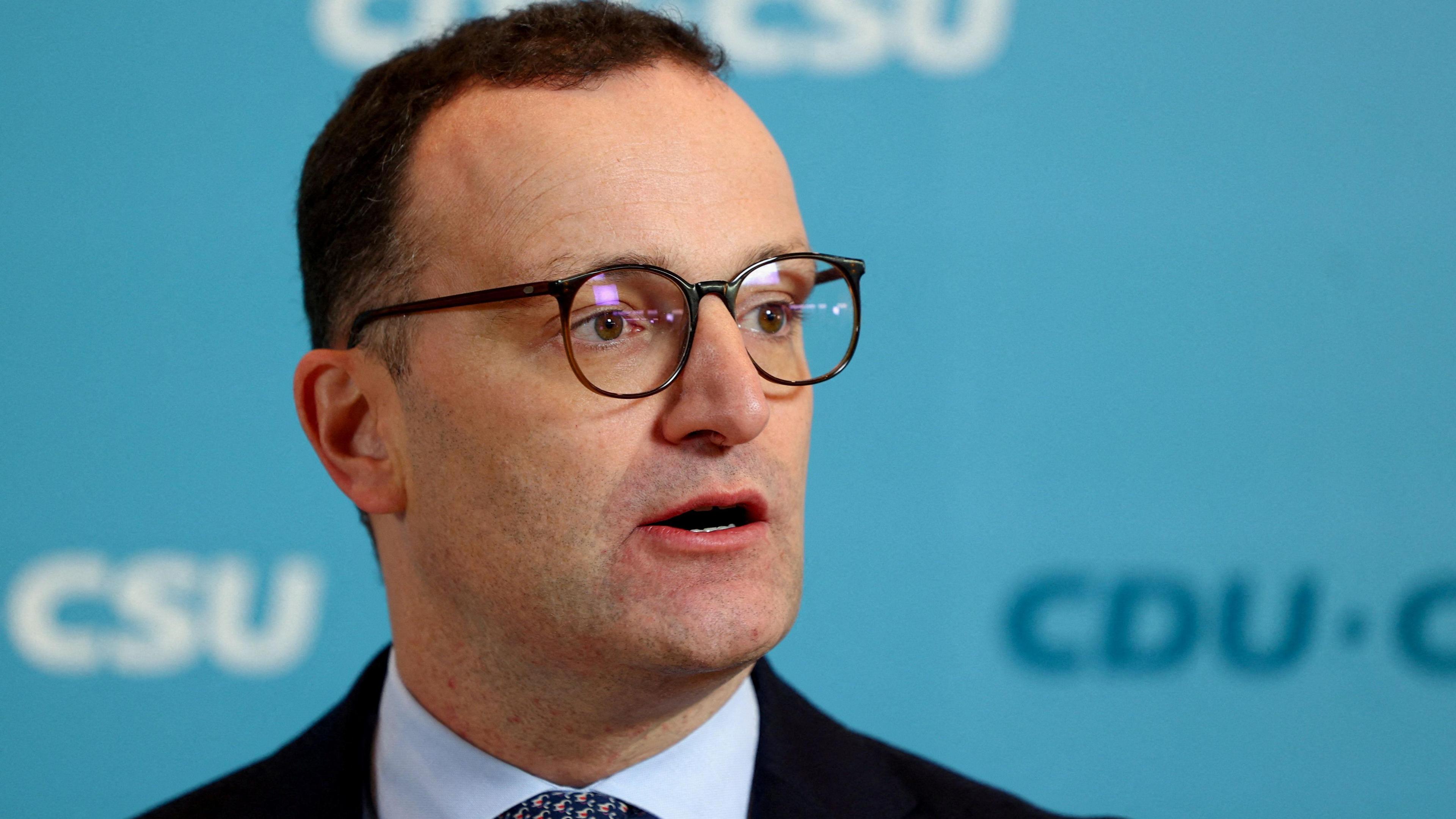
Jens Spahn, the CDU's parliamentary group leader, has resigned after it emerged that he and his husband, Daniel Funke, used a surrogate mother in the United States to have a child.
Surrogacy is prohibited in Germany under the 1990 Embryo Protection Act, which carries up to three years imprisonment or a fine. The law barises any domestic arrangement with a surrogate, but allows children born abroad to a surrogate to be legally recognized by the intended parents.
Spahn’s public resignation came after critics—citing his past statements as a health minister and as a member of the Christian Democratic Union (CDU) that “gay and Christian men find it hard to warm to the idea of a rented womb”—argued that his offshore choice was a stark double standard.
Honoring his personal commitment, Spahn said, "I have realised that my personal happiness—founding a family together with my husband and becoming a father—is not compatible with my political office." He cited growing scrutiny and relentless public debate as reasons for stepping down.
Chancellor Friedrich Merz welcomed the decision, calling it "right" and "inevitable," and pledged to nominate a replacement. Until then, Alexander Hoffmann of the Christian Social Union will temporarily lead the CDU/CSU parliamentary group.
The incident came amid a broader European debate: France’s highest court recently ruled that children born to a surrogate abroad should be officially recognised, while Italy’s right‑wing government has banned Italians from seeking surrogacy internationally. Meanwhile, the EU faces pressure to harmonise surrogacy regulations.