Analyzing Trump's Offensive Strategy Against Venezuela and Maduro's Downfall
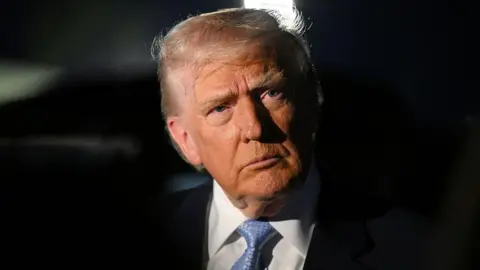
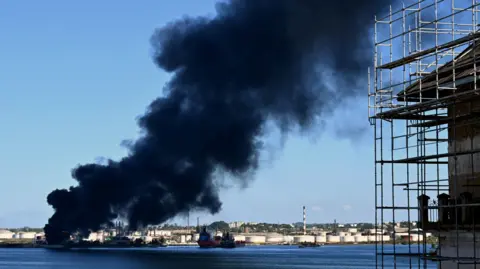
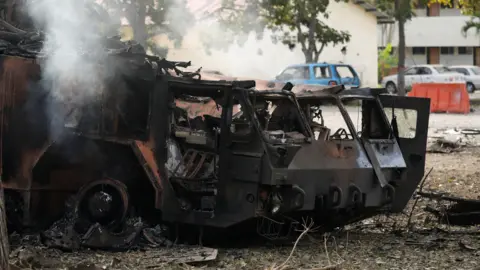
US President Donald Trump has publicly stated that the United States is prepared to control Venezuela, proclaiming that the U.S. aims to oversee a 'safe, proper and judicious transition' in the country. This declaration comes on the heels of U.S. military actions that resulted in the capture of Venezuelan President Nicolás Maduro, who was subsequently flown out of the country amid a wave of U.S. strikes.
Maduro is now facing serious drug charges in New York, contributing to a narrative that condemns the Maduro administration as a major conduit for drugs entering the U.S. Trump’s administration accuses Maduro of exacerbating the arrival of hundreds of thousands of Venezuelan migrants into the U.S., claiming he has intentionally displaced these populations.
This military offensive follows a sustained period of pressure on Venezuela, during which the Trump administration has vowed to combat what it describes as 'narco-terrorism'. Trump's focus on the drug crisis coincides with allegations against suspected criminal organizations, both linked with Maduro.
As the U.S. deepens its military involvement, there is concern and confusion regarding the legality and implications of these operations. Critics argue that Trump's strategies are erroneously broad, embroiling civilian populations and breaching international law.
The history of Trump's approach dates back to the commencement of his second term, when he adjusted military strategies toward Venezuela, intensifying the rhetoric and incentives for information leading to Maduro's capture. The U.S. claims that the newly implemented military pressure is a necessary action to deter drug trafficking against American interests.
In summary, Trump's campaign against Venezuela marks a significant chapter in U.S. foreign policy, raising questions regarding sovereignty, international law, and effective responses to drug crises. How this situation will develop remains to be seen, especially as Maduro has vociferously denied any allegations linking him to drug trafficking and accused the U.S. of seeking control over Venezuelan oil resources.