In brief
A serious airstrike involving Iranian cluster bombs struck an apartment in central Israel, resulting in the deaths of an elderly couple and significant destruction. Eyewitnesses described the chaos and the bomb's impact, emphasizing the difficulty of intercepting such attacks, as cluster bombs scatter over a wide area. Amidst ongoing conflict, questions arise about the war's duration and the resilience of the Israeli population.
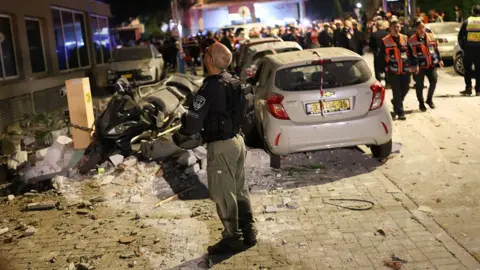
In a late-night assault, an Iranian cluster bomb struck the living room of an elderly couple's apartment in central Israel, tragically killing them both. This strike has been marked as a significant and alarming escalation in the ongoing conflict.
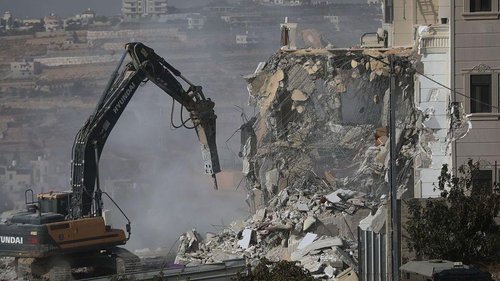
The aftermath left a clear path of destruction; a gaping hole in the ceiling and debris scattered throughout the apartment underscored the severity of the explosion. Nearby residents described how they heard multiple explosions before realizing their own home was affected. There was a massive boom, and I could feel a pain in my ear from the blast, recounted Sigal Amir, who lived next door.
Cluster bombs, known for their widespread dispersal of munitions, pose considerable challenges for air defense systems. Israeli military officials warned that intercepting these munitions is immensely difficult, as each missile can carry up to 80 sub-munitions making them harder to stop. The use of such weapons has increased as the war has evolved, marking a transition in tactics from Iran.
The attacks have claimed the lives of 14 individuals in Israel so far, with most fatalities occurring in an earlier attack. The joint US-Israel military operations, now more than two weeks into the conflict, have targeted various military sites in Iran, resulting in significant civilian casualties alongside military personnel.
Despite the ongoing hostilities, the morale within Israel remains relatively resilient. Nonetheless, the frequent air raid alarms and the nature of recent bombings are casting a shadow of apprehension over many residents, raising questions about the ultimate outcome of the conflict.
As the war continues, officials and citizens alike ponder the future, with concerns about both the immediate danger and the broader implications of the conflict throughout the Middle East.