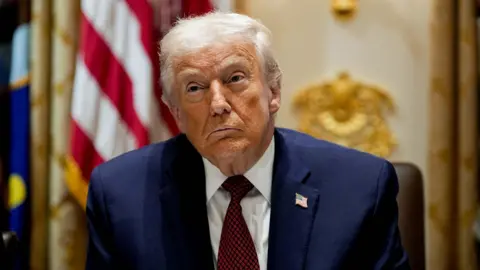
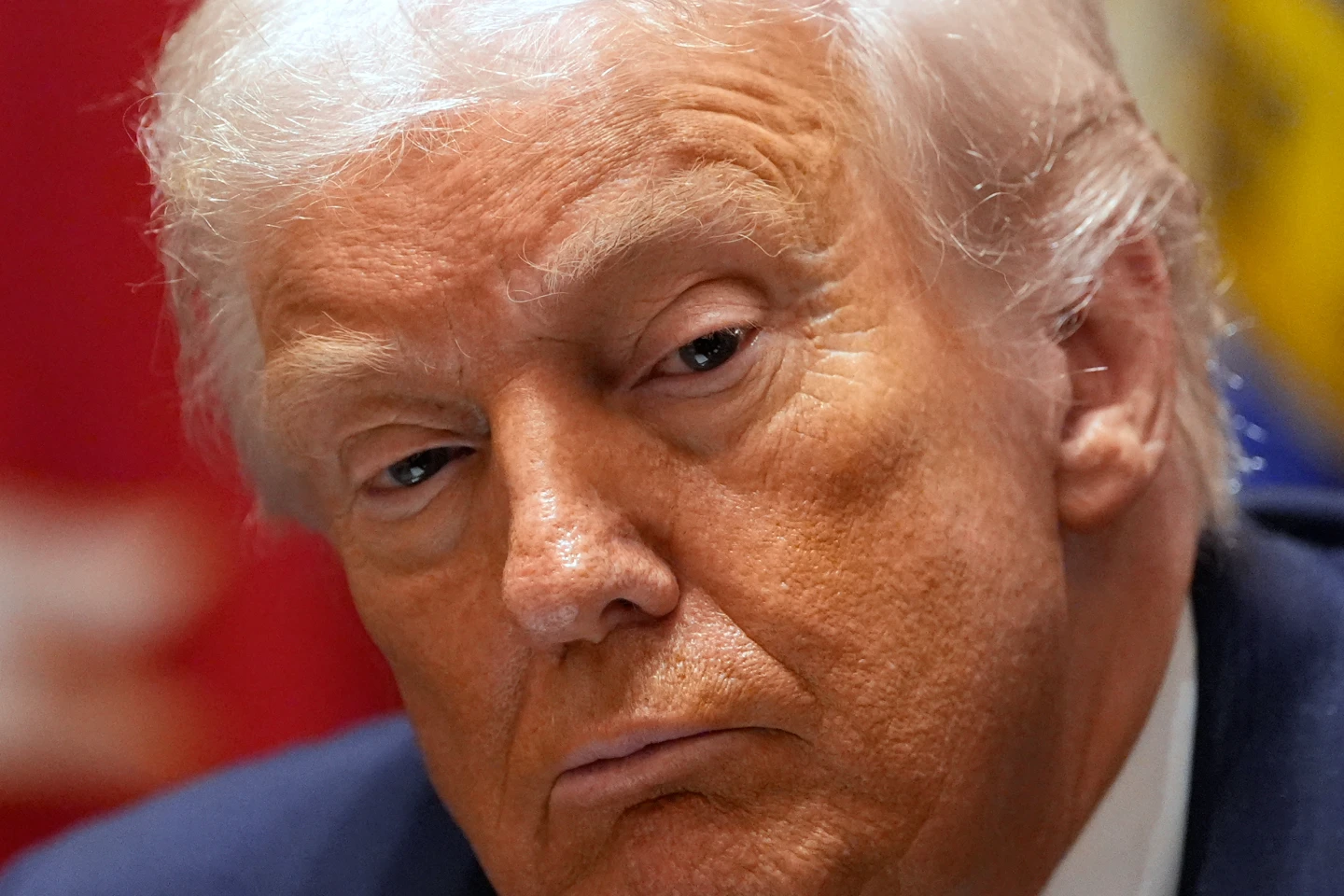
Indiana state senators are expected to take a final, high-stakes vote on redistricting Thursday after months of pressure from President Donald Trump. The outcome is still uncertain as many Indiana Republicans have been reluctant to support a new congressional map that would favor their party’s candidates in the 2026 elections.
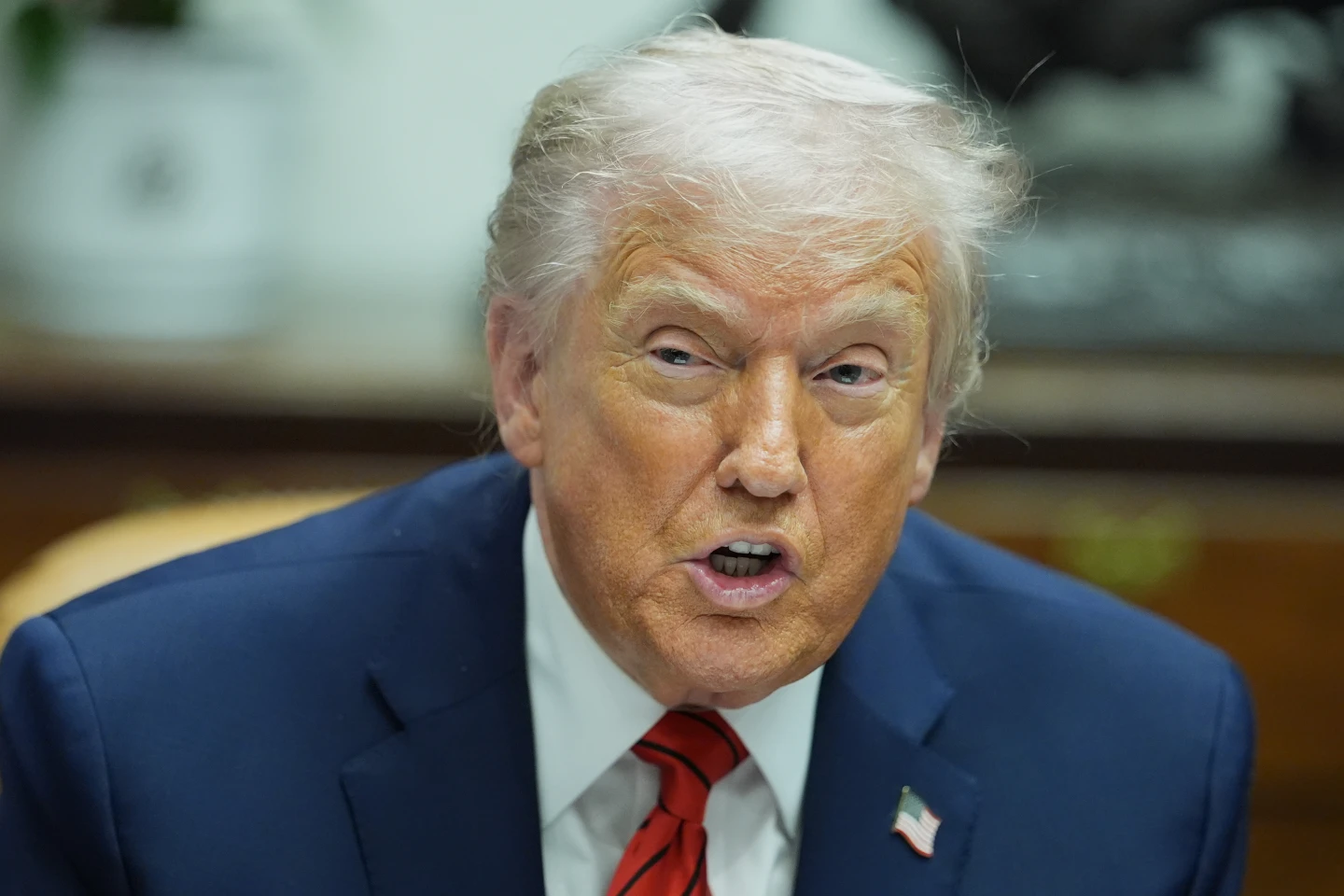
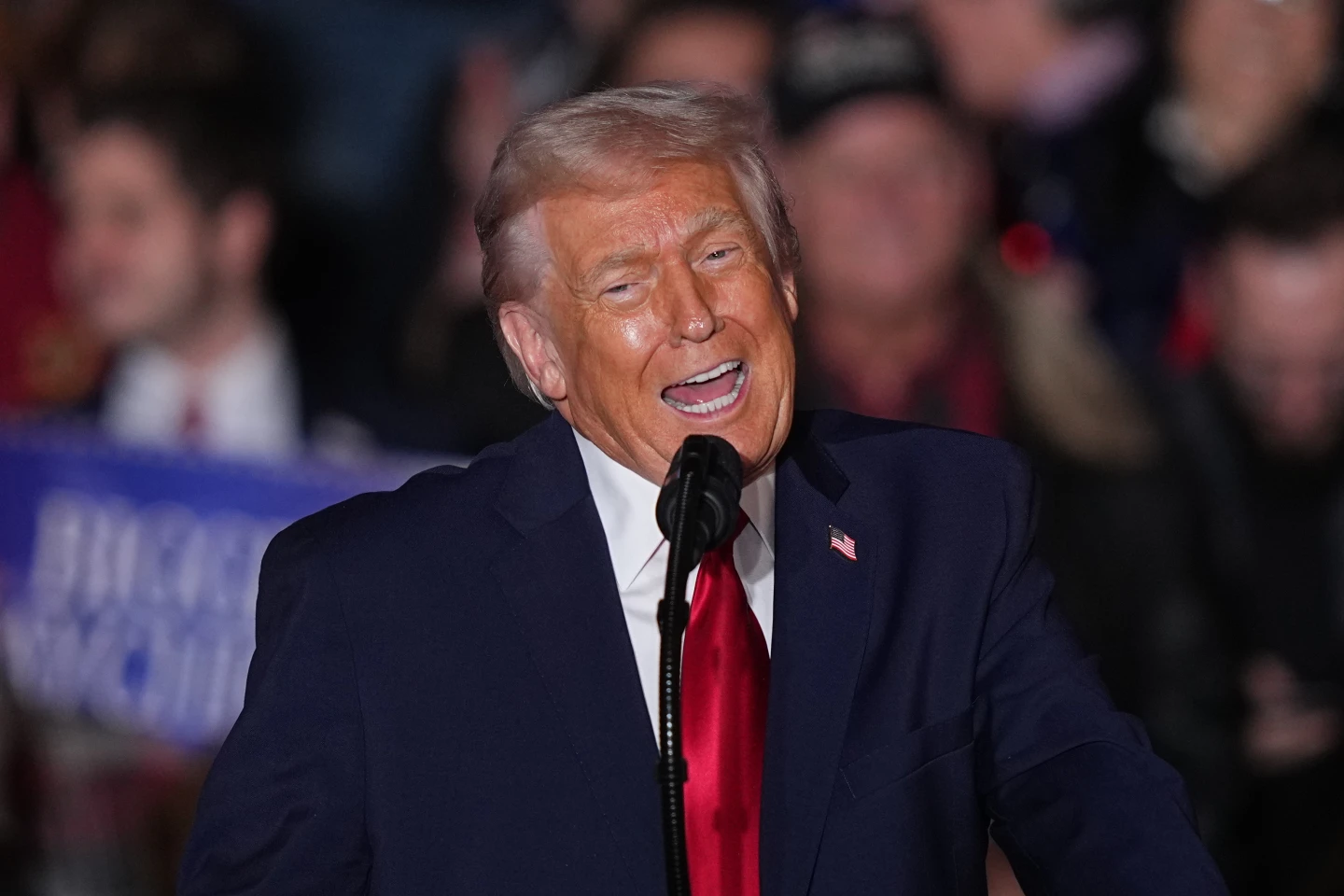
Trump is urging Republican-led states to implement mid-decade redistricting, a practice that is not commonly seen, to secure more viable seats for the GOP ahead of next year’s elections. As midterms typically favor the party opposite to the one in power, Democrats are feeling optimistic about gaining control of the U.S. House following various recent electoral successes.
In Indiana, Trump backs a congressional map drafted by the National Republican Redistricting Trust, intended to help the GOP win all nine of the state's congressional seats. Republicans currently hold seven of these seats.
During a recent statement, Trump criticized party members who showed resistance to the plan and threatened them with potential primary challenges if they voted against it.
The proposed map intricately redraws the city of Indianapolis into four districts, incorporating rural areas, with three extending from the city limits to nearby state borders. Indianapolis is presently designated as one district, represented by Democratic U.S. Rep. André Carson.
This redistricting plan would also aim to eliminate the district of U.S. Rep. Frank Mrvan, representing an urban area near Chicago.
A dozen lawmakers from the 50-member state Senate have not yet publicly announced their positions on the new maps. Should at least four from that group ally with the Democrats and certain Republicans who are expected to vote against the bill, it could dramatically oppose Trump’s directives.
Supporters of the new map require at least 25 affirmative votes for passage. A tie would be adjourned by Republican Lt. Gov. Micah Beckwith, who endorses the redistricting.
While the state House has already passed the proposed map with some bipartisan dissent, the Senate remains a critical battleground. The redistricting process has sparked multiple threats of primary challenges against senators who do not support the efforts, underscoring the high stakes as the vote approaches.
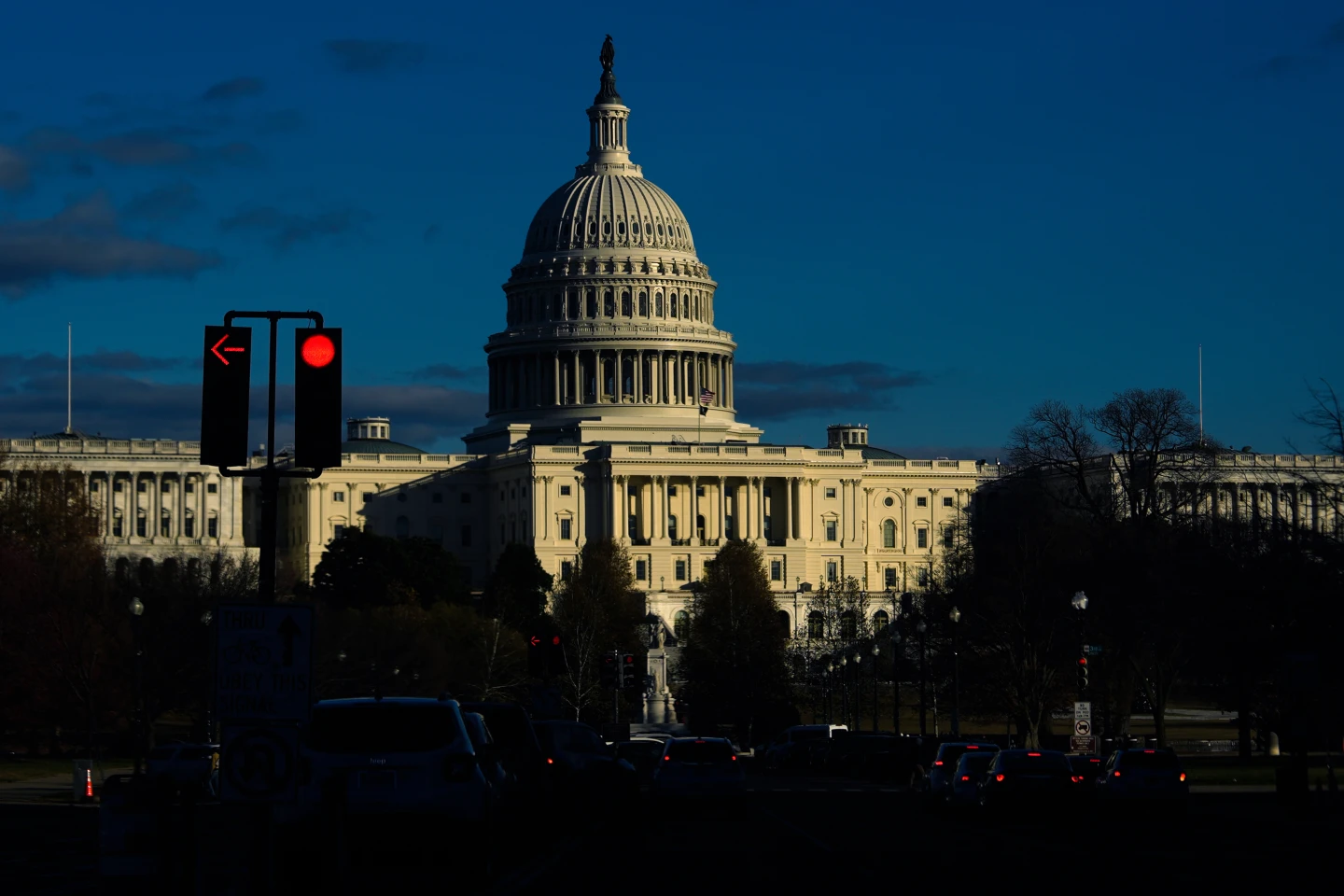
Ultimately, the outcomes of this redistricting effort are not just crucial for Indiana but also form part of a broader national trend where mid-cycle redistricting is under legal scrutiny in various states. If successful, this could potentially reshape Republican prospects in upcoming elections and consequently influence political control at the national level.