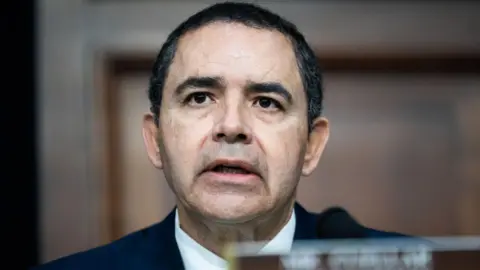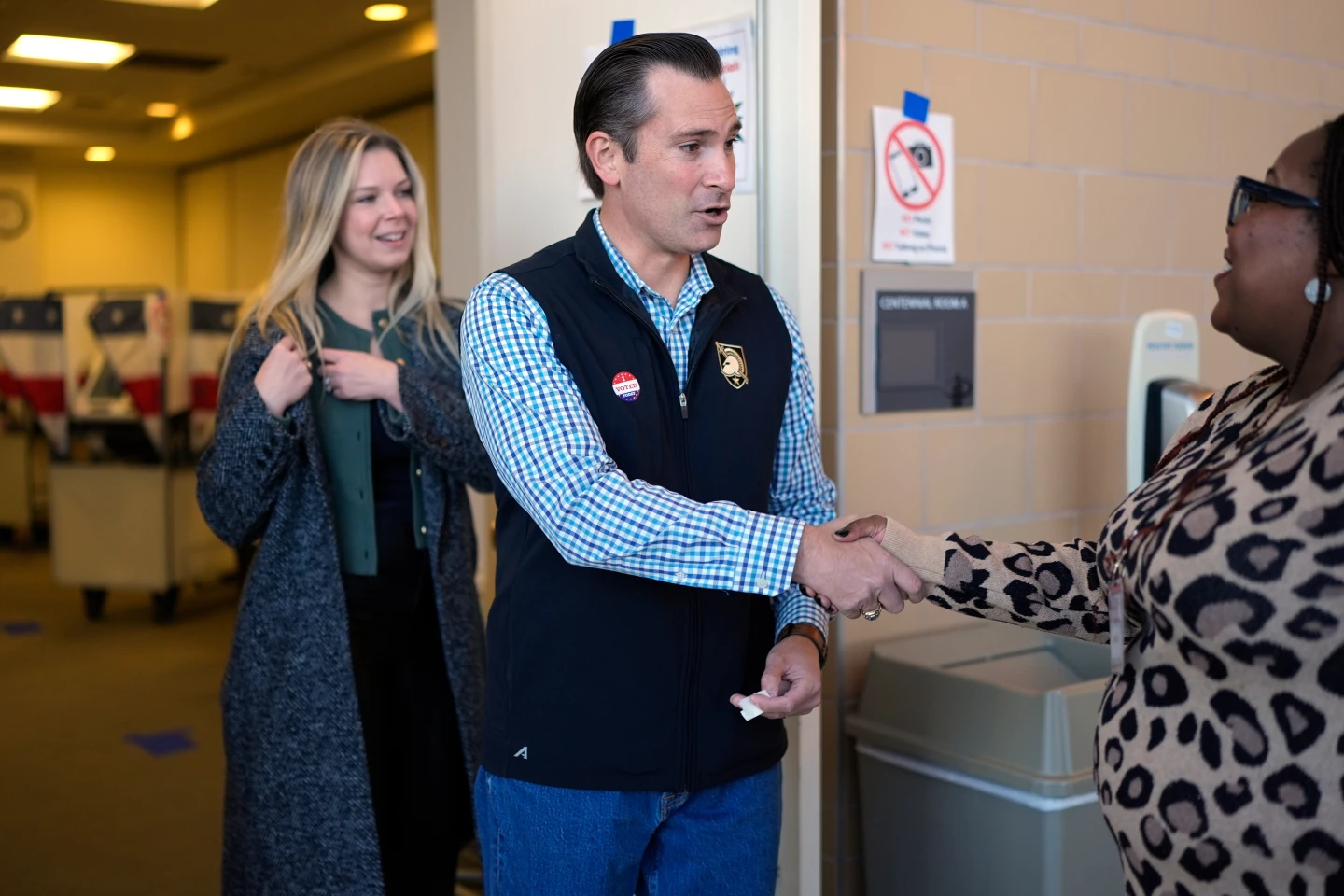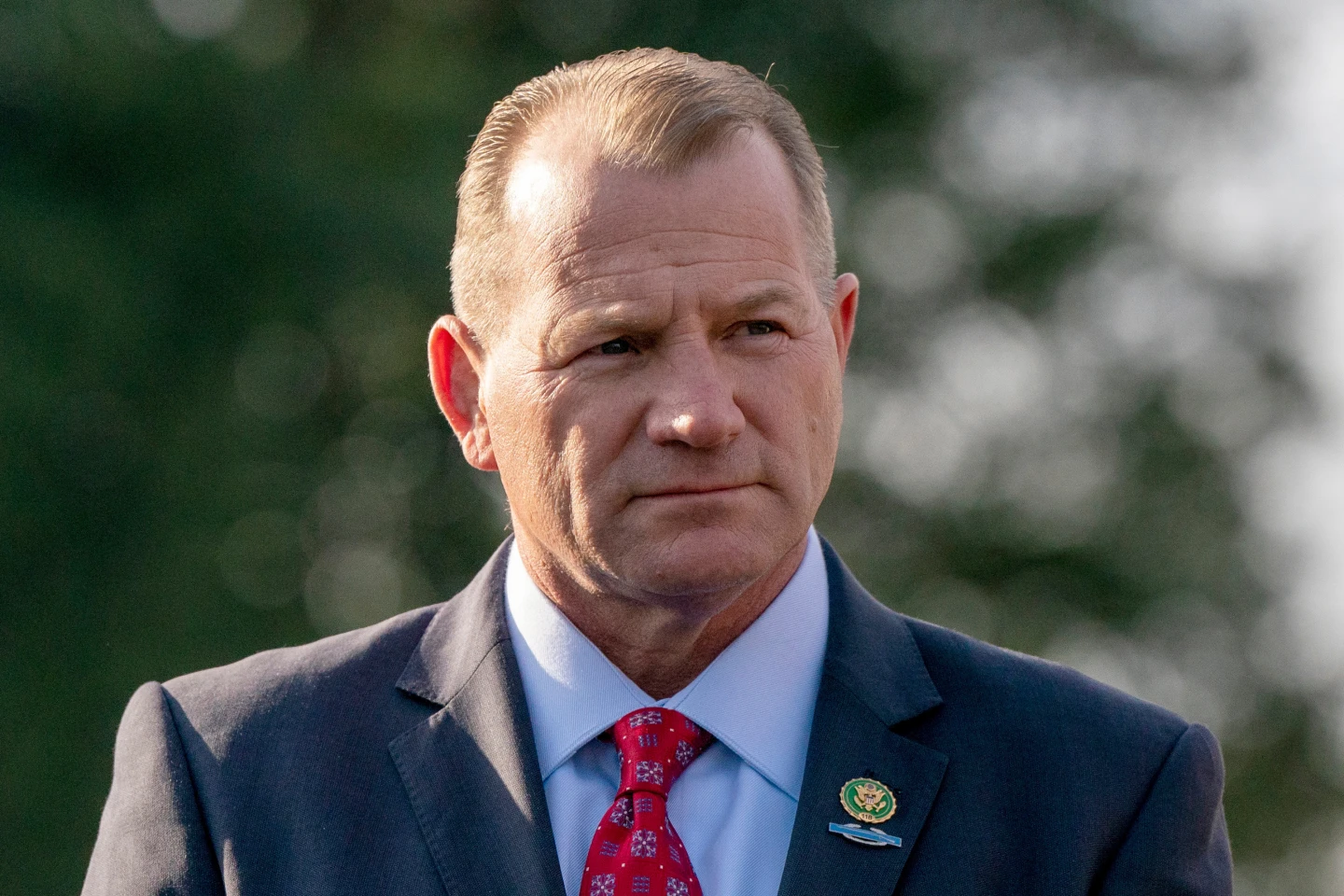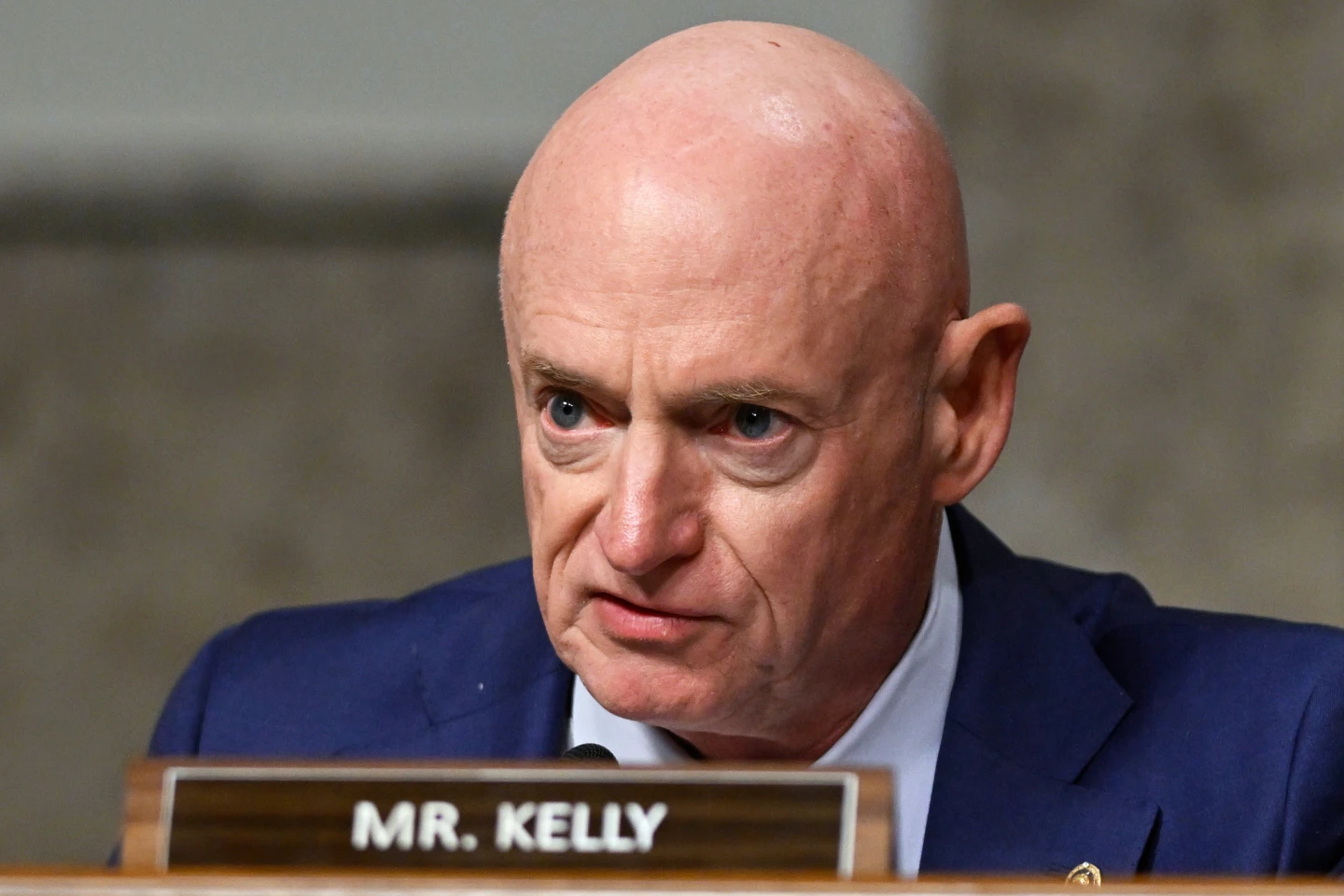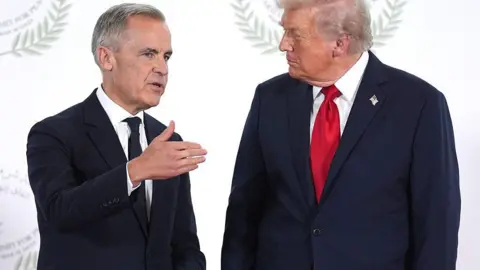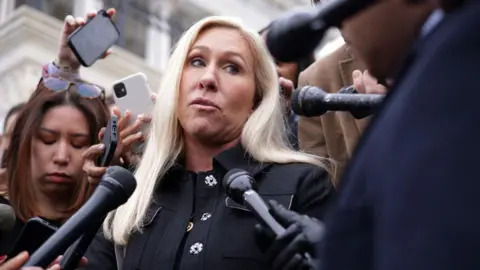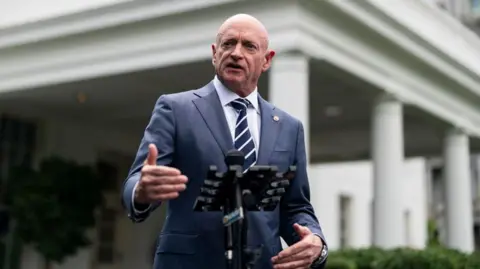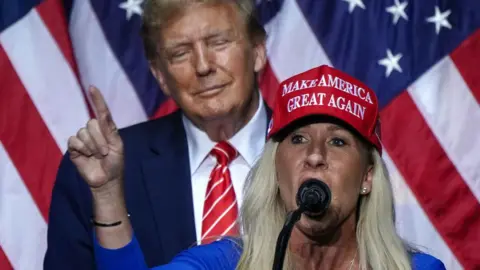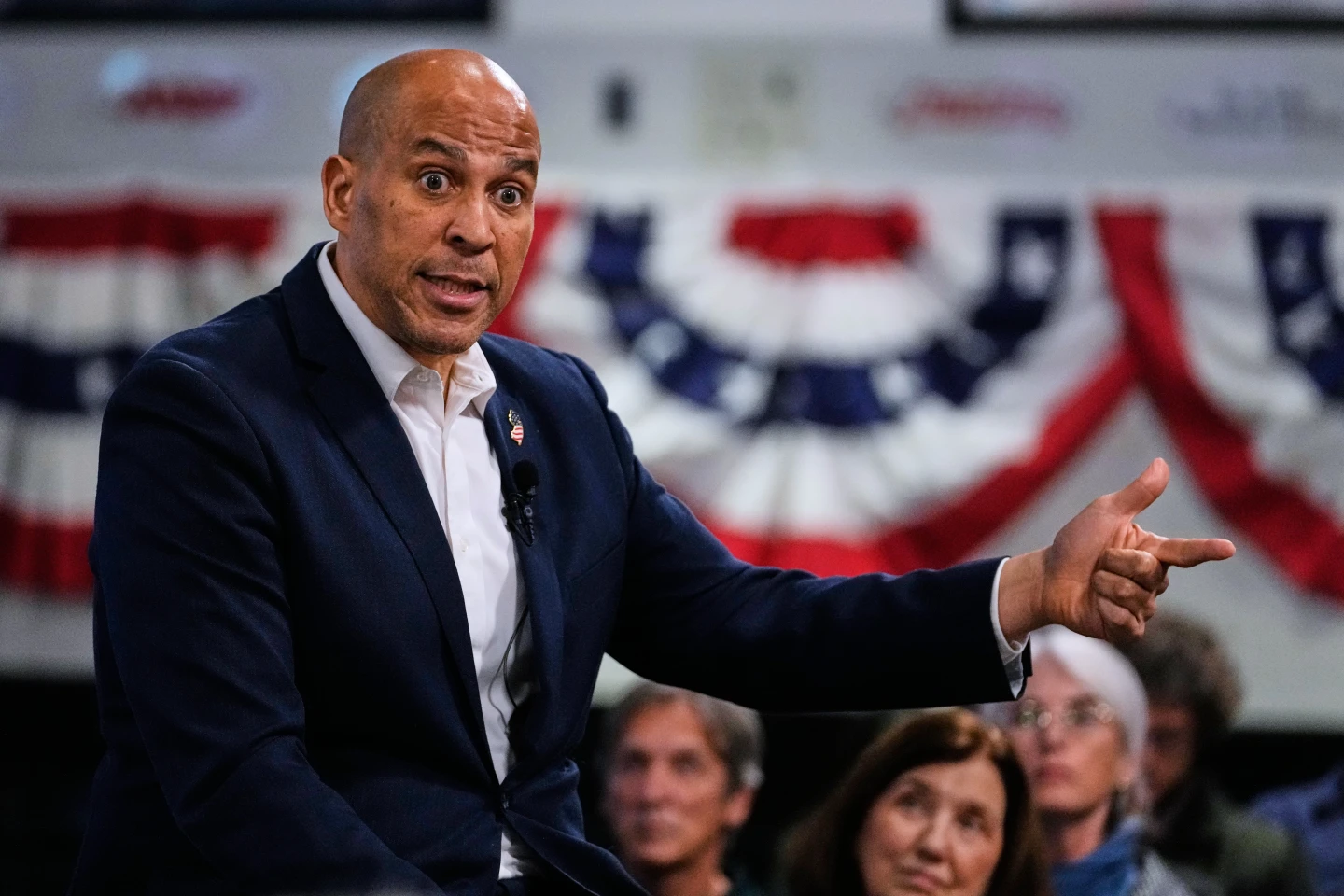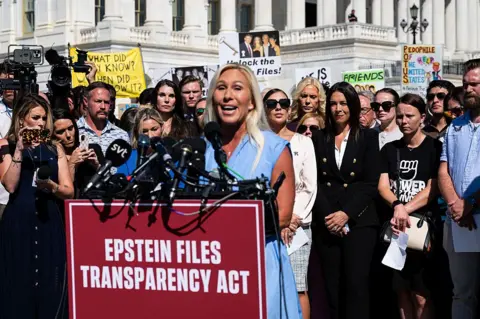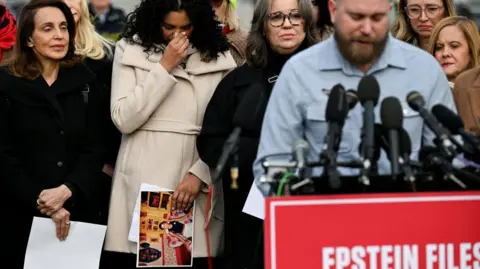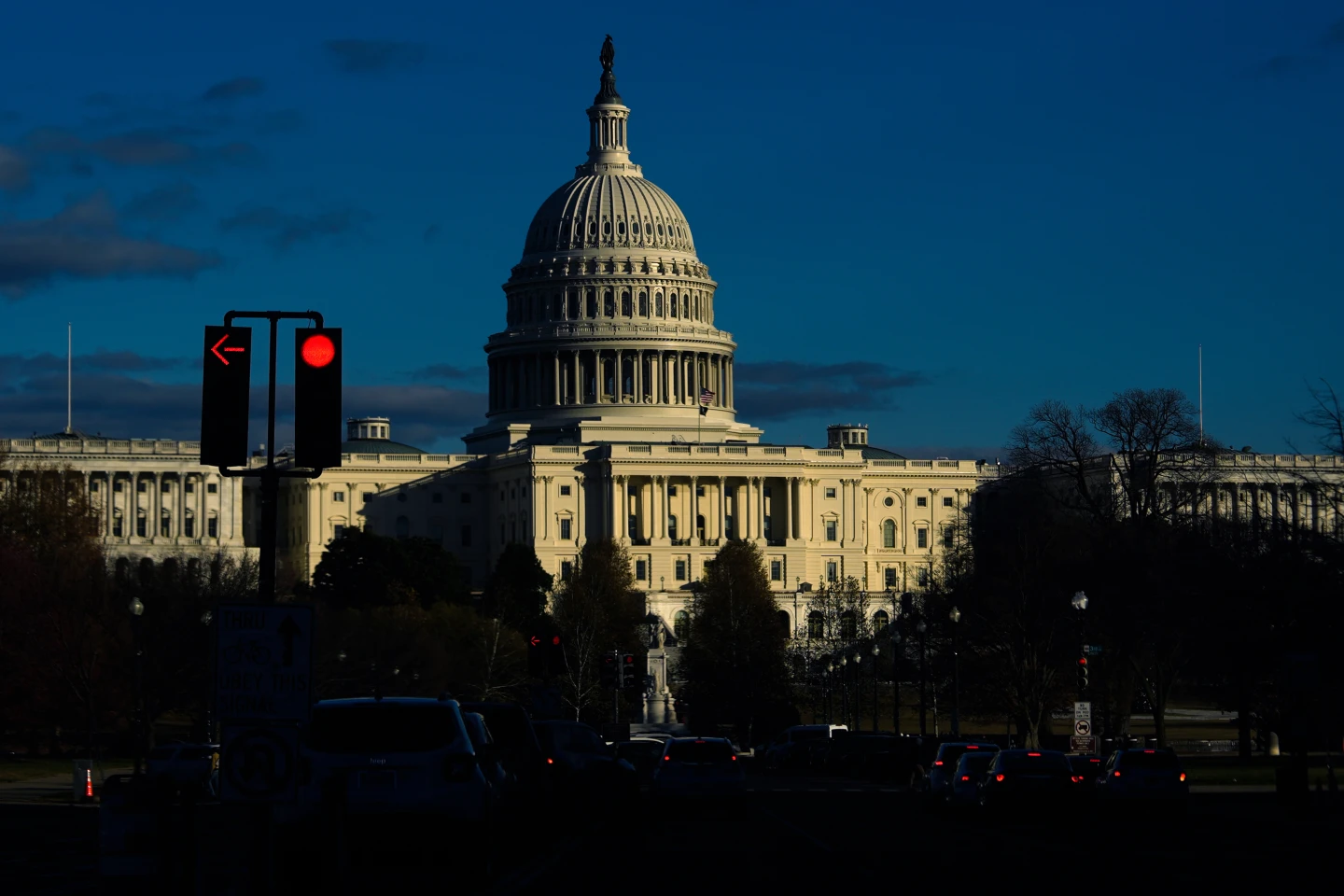
As the 2026 midterm elections draw near, a wave of announcements from current U.S. House members is shifting the political landscape, with some choosing to retire while others are aiming for higher offices.
Midterm elections have historically posed challenges for the party in power, and with Republicans governing a slim majority in the House, the implications of these exits could be significant. Notable retirements from both parties signal a potential reshuffle and create opportunities for opponents.
GOP Departures
Recently retired GOP Congressman Troy Nehls (R-Texas) announced he would not return after three terms and has backed his twin brother for the seat. Marjorie Taylor Greene (R-Ga.) surprised many by announcing her resignation after a public fallout with Trump. Meanwhile, Eric Swalwell (D-Calif.) is vying for the governor's seat in California, while Nydia Velázquez (D-N.Y.) is also stepping down, marking significant changes within party ranks.
Democratic Opportunities
For Democrats, the exodus may present a golden chance to reclaim the House. The party is eyeing previously secure Republican seats made accessible by retirements, explicitly targeting vulnerable districts.
Focus on Upcoming Elections
With various incumbents stepping back, it remains to be seen how these changes will affect the dynamics leading into the 2026 elections. Observers speculate about the potential for upsets and the strategic pivots each party may undertake in response to these departures.
In summary, as both parties recalibrate their strategies in light of these shifts, the race for control of the House intensifies, highlighting the importance of individual congressional seats in the broader electoral narrative.