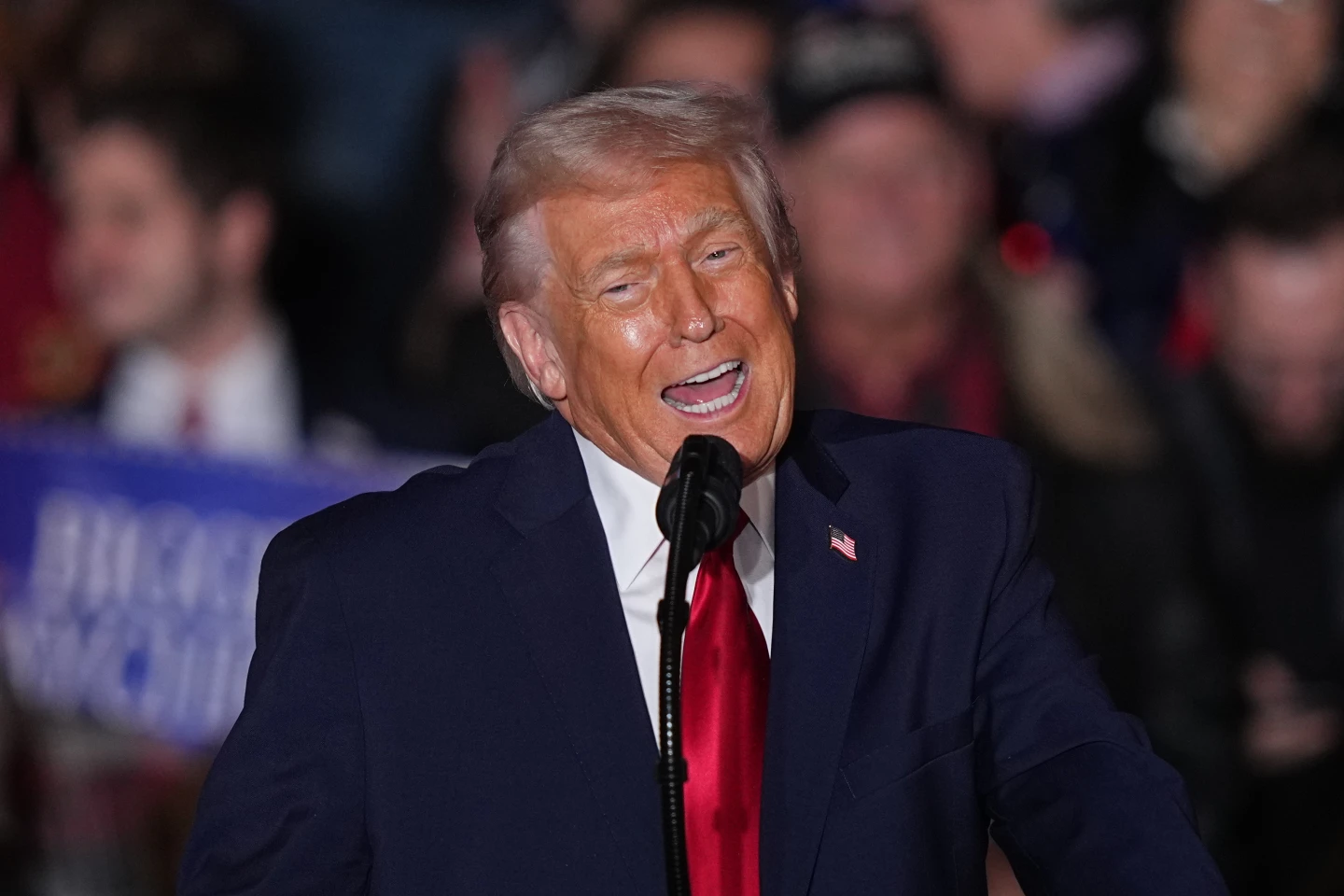
As political discussions become increasingly heated, the use of vulgar language by prominent figures like President Trump and Vice President JD Vance is becoming the norm. This shift represents a significant change from administrators like Obama, whose accidental use of profanity during discussions about the Affordable Care Act was once intensely scrutinized.
At a recent rally in Pennsylvania, Trump used explicit language multiple times and brought up controversial remarks made years earlier, illustrating the evolving standards in political speech. Such profane commentary, previously taboo among political leaders, is now being intentionally cultivated by politicians seeking to resonate with audiences disenchanted with political correctness.
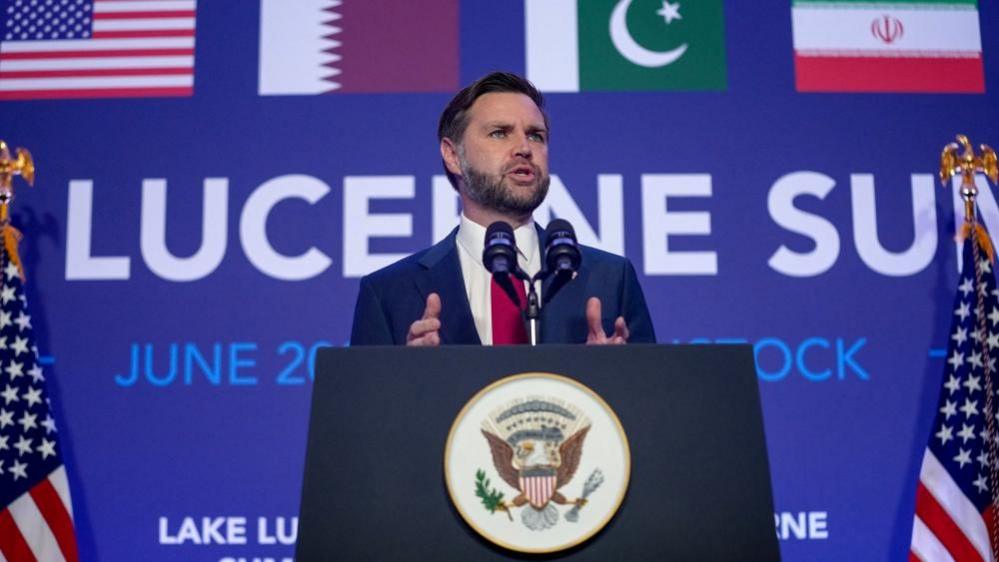
Vice President JD Vance recently joined the ranks of politicians using explicit language, having referred to a podcast host as a dips—t and jokingly noted that people who enjoy turkey on Thanksgiving are full of s—-. The stakes have raised across party lines—with figures from both sides opting for language that shocks, thrills, or outrage audiences seeking authenticity.
Some argue that this new political vernacular reflects a deeper issue within the political landscape—a distraction from substantive discussions. Utah Governor Spencer Cox pointed out that while social media platforms reward provocative statements, they compromise genuine discourse. Cox believes that the media landscape incentivizes outrage as a means of engagement, further complicating civility in politics.
The environment isn’t altogether unfamiliar; historical figures such as Lyndon B. Johnson and Richard Nixon exemplified crass language behind closed doors. However, the public discourse has changed remarkably in recent times, with political leaders choosing to embrace—and in some instances casualize—profanity in the open.
As the 2026 elections approach, this trend raises questions about the appropriateness and effectiveness of vulgarity within routine political communication. With parties vying for voter engagement, candidates need to discern the balance between being relatable and remaining credible—or risk diluting their messages altogether.