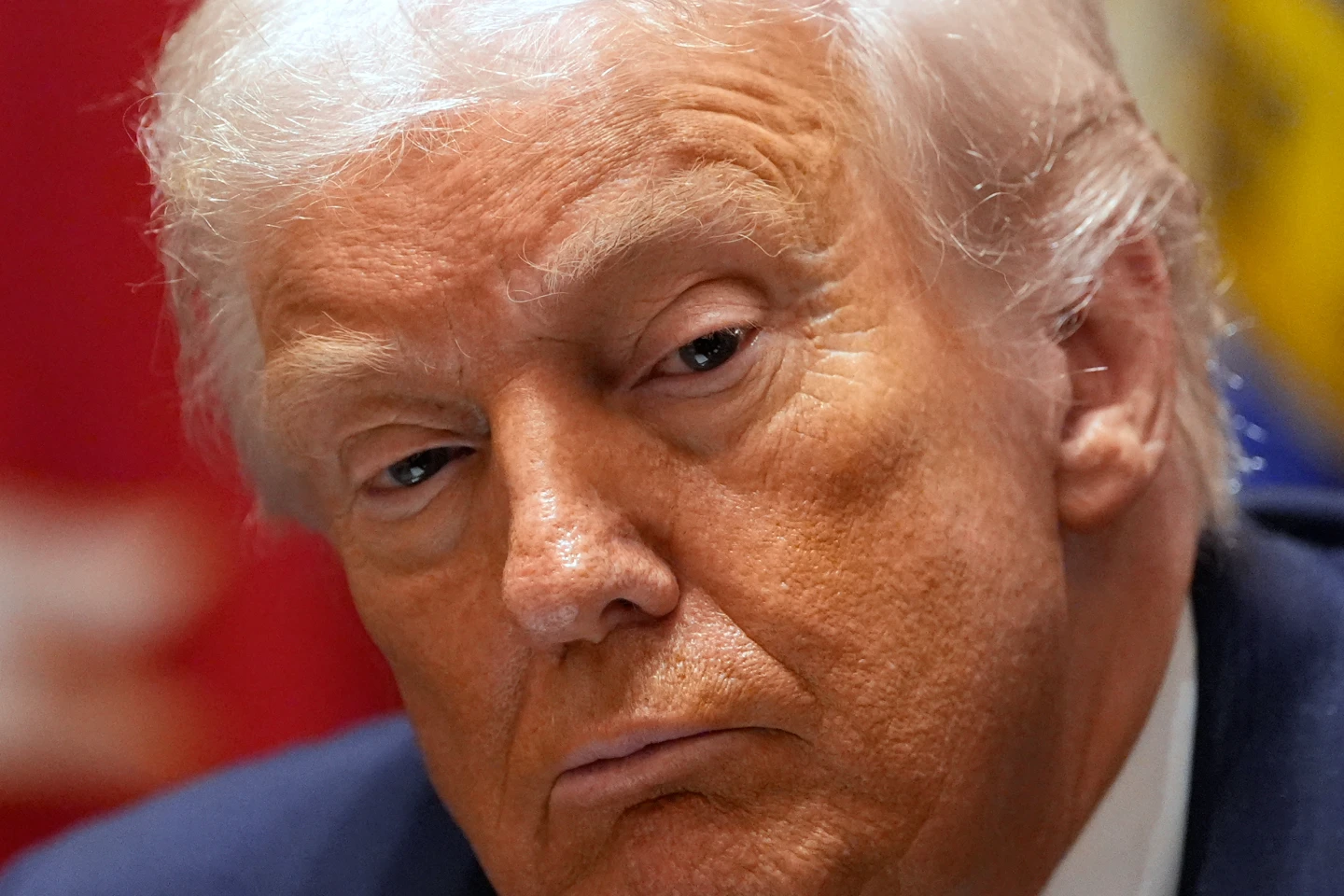
MINNEAPOLIS (PulseWire) — President Donald Trump has tied his administration’s immigration enforcement efforts to a series of fraud cases in Minnesota, particularly involving the state's significant Somali community. In recent statements, Trump referred to Minnesota Somalis in derogatory terms and indicated his disapproval of their presence in the U.S.
Republicans are intensifying their critique of Minnesota Governor Tim Walz, the Democratic vice presidential nominee for 2024, blaming him for failing to curtail the fraud incidents. This situation is expected to heavily influence the upcoming 2026 gubernatorial race, where Walz aims to secure a third term.
Home to the largest Somali population in the U.S., Minnesota has approximately 84,000 Somali residents out of a total U.S. demographic of around 260,000. Significantly, 58% of these individuals were born in the U.S., and 87% of foreign-born residents are naturalized citizens.
Details surrounding the fraud cases are still unfolding, with prosecutors estimating losses from the notorious 'Feeding Our Future' case at a staggering $300 million. Further interviews have placed the potential total losses for all cases at over $1 billion, a figure seized upon by Republican critics.
Governor Walz has indicated that an audit set for completion in January could clarify the extent of these losses and has acknowledged the possibility of the $1 billion estimate being accurate. His administration claims to be taking aggressive steps to counteract further fraud while defending previous responses to the situation.
The 'Feeding Our Future' case centers around a federal program meant to provide meals for children during the pandemic, where defendants are accused of misappropriating funds meant for this cause. Since the onset of investigations, 47 individuals have been charged, with that number rising to 78 as new evidence continues to surface.
Among those charged, over 90% identify as Somali, sparking outrage from community leaders like Ilhan Omar, who argue that such targeted scrutiny unfairly impacts the broader population. Omar emphasized the need for accountability and fairness, denouncing Trump’s direct attacks on her community.
Adding a layer of complexity, Trump has suggested possible connections between the fraud schemes and funds supporting the militant group al-Shabab. However, recent statements by officials, including Treasury Secretary Scott Bessent, have acknowledged a lack of evidence supporting these allegations, leaving the conversation open-ended as investigations progress. As these dynamics unfold, both the political and community repercussions will play a pivotal role in shaping the narrative around immigration and fraud in Minnesota.
Republicans are intensifying their critique of Minnesota Governor Tim Walz, the Democratic vice presidential nominee for 2024, blaming him for failing to curtail the fraud incidents. This situation is expected to heavily influence the upcoming 2026 gubernatorial race, where Walz aims to secure a third term.
Home to the largest Somali population in the U.S., Minnesota has approximately 84,000 Somali residents out of a total U.S. demographic of around 260,000. Significantly, 58% of these individuals were born in the U.S., and 87% of foreign-born residents are naturalized citizens.
Details surrounding the fraud cases are still unfolding, with prosecutors estimating losses from the notorious 'Feeding Our Future' case at a staggering $300 million. Further interviews have placed the potential total losses for all cases at over $1 billion, a figure seized upon by Republican critics.
Governor Walz has indicated that an audit set for completion in January could clarify the extent of these losses and has acknowledged the possibility of the $1 billion estimate being accurate. His administration claims to be taking aggressive steps to counteract further fraud while defending previous responses to the situation.
The 'Feeding Our Future' case centers around a federal program meant to provide meals for children during the pandemic, where defendants are accused of misappropriating funds meant for this cause. Since the onset of investigations, 47 individuals have been charged, with that number rising to 78 as new evidence continues to surface.
Among those charged, over 90% identify as Somali, sparking outrage from community leaders like Ilhan Omar, who argue that such targeted scrutiny unfairly impacts the broader population. Omar emphasized the need for accountability and fairness, denouncing Trump’s direct attacks on her community.
Adding a layer of complexity, Trump has suggested possible connections between the fraud schemes and funds supporting the militant group al-Shabab. However, recent statements by officials, including Treasury Secretary Scott Bessent, have acknowledged a lack of evidence supporting these allegations, leaving the conversation open-ended as investigations progress. As these dynamics unfold, both the political and community repercussions will play a pivotal role in shaping the narrative around immigration and fraud in Minnesota.