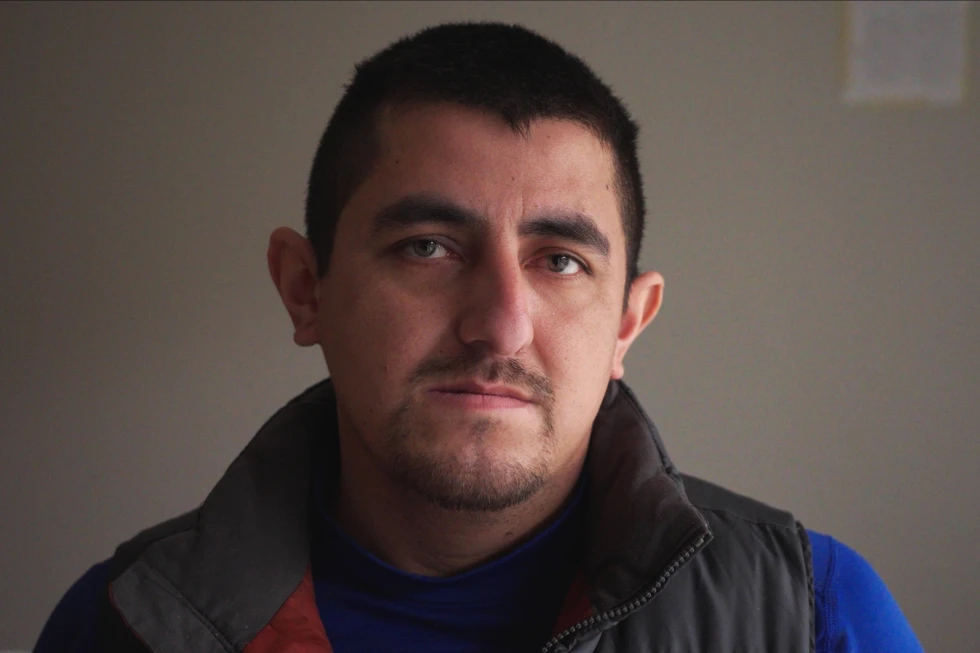
MINNEAPOLIS (AP) — Alberto Castañeda Mondragón recalls how a violent encounter with ICE agents resulted in severe injuries and significant memory loss during his detention in Minnesota. The 31-year-old Mexican immigrant shared his traumatic experience, highlighting the brutality he faced on January 8 when immigration officers arrested him outside a St. Paul shopping center.
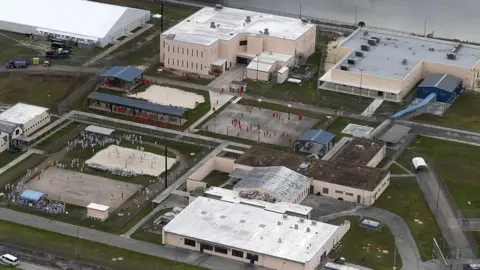
He describes being forcefully removed from a vehicle, handcuffed, and violently struck with a steel baton, resulting in eight skull fractures and life-threatening brain hemorrhages. His harrowing ordeal continued inside a detention facility, where he reported further beatings from officers.
They started beating me right away when they arrested me, Castañeda Mondragón said, struggling to recall his family, including his daughter, whose memories have slipped away due to his injuries.
Despite the physical trauma, it’s his cognitive struggles that haunt him. Castañeda Mondragón admitted he often cannot remember joyful moments spent with his child, such as teaching her to dance. This loss is a constant painful reminder of what he has sacrificed for a better life.
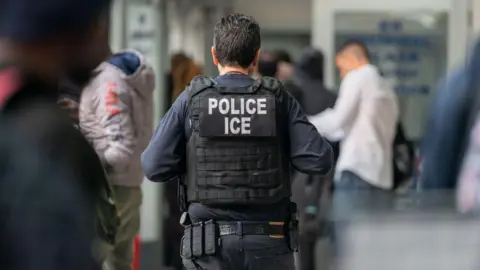
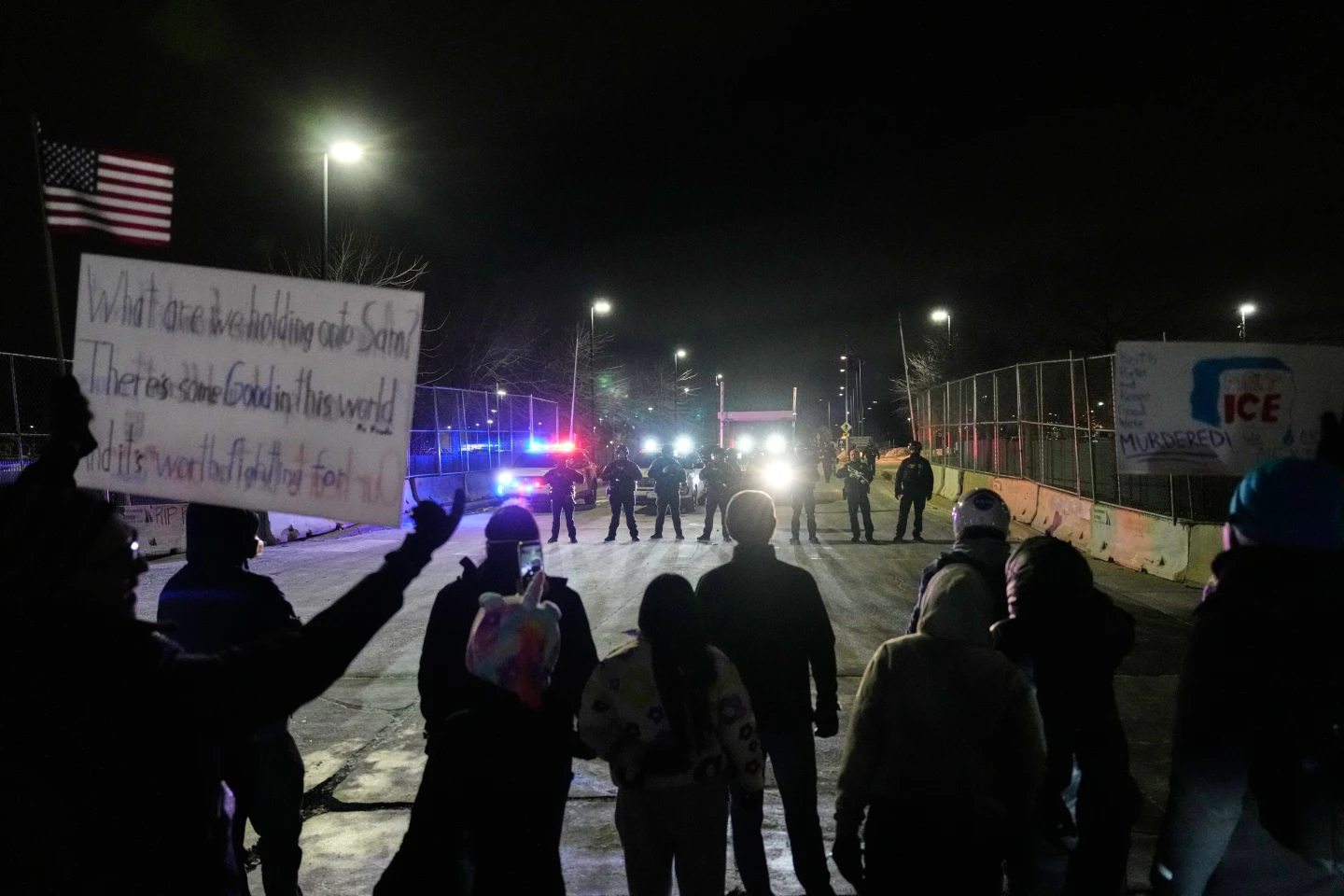
The incident has sparked outrage among local officials, who are now calling for an immediate investigation into Castañeda Mondragón's injuries. Concerns have been raised about the ICE’s use of excessive force and accountability for their actions.
In light of the allegations, Minnesota's congressional leaders, including St. Paul Mayor Kaohly Her, have demanded accountability from ICE. The push for transparency has grown louder following accusations that officers in Minnesota were not adhering to proper use-of-force policies during arrests.
Castañeda Mondragón was hospitalized for several days, during which ICE officers continuously monitored him, even as he struggled with awareness and memory. Medical staff doubted ICE's claim that he had 'purposefully run headfirst into a wall.' Given his skull fractures and the severity of his injuries, it appears demonstrable that such a scenario is implausible.
The only time a person can be struck in the head with any baton is when the person presents the same threat that would permit the use of a firearm — a lethal threat to the officer or others,” commented Joe Key, a use-of-force expert.
As awareness of Castañeda Mondragón's situation grows, discussions about immigration enforcement practices in Minnesota continue to surface. Activists and community members are raising funds to support him as he faces a long recovery and must grapple with the psychological scars of his ordeal.
Even as he recovers physically, Castañeda Mondragón expresses a deep fear of ICE retribution, making it challenging for him to navigate daily life. Despite these challenges, he remains hopeful for a future where he can support his family again while continuing to seek justice for the violence he endured.