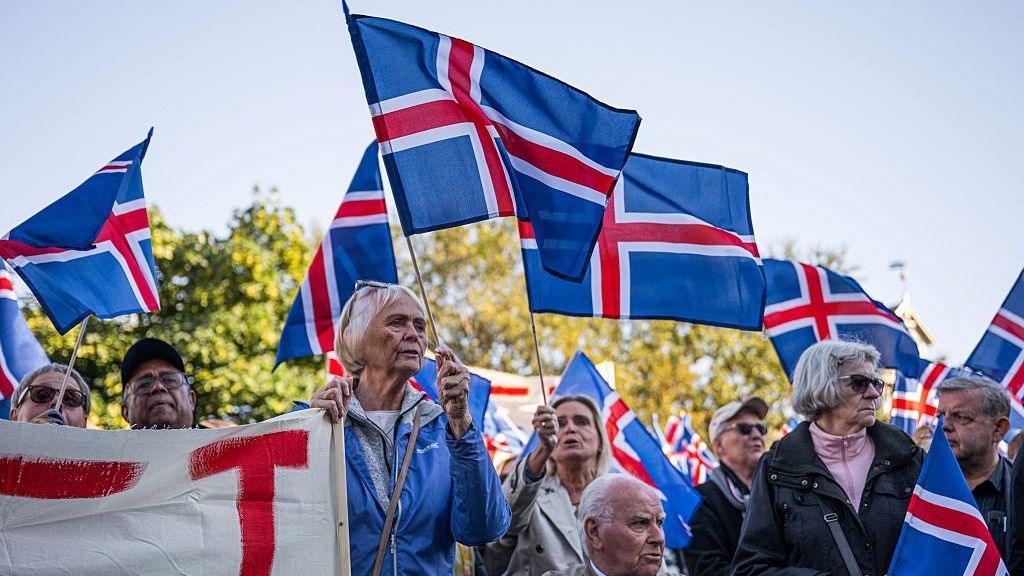
In brief
With a nation split almost 50‑50 on EU negotiations, Icelanders voted over the weekend to choose whether to resume accession talks. The Yes side backs entry into the customs union, euro and deeper integration, while the No camp argues for protecting fisheries and sovereignty. Security remains a concern as Iceland depends on NATO and US arrangements. A second referendum will later confirm any accession deal.
Iceland’s population of less than 400,000 went to the polls on Saturday to decide whether to resume talks for European Union membership. The decision is not a simple yes or no to joining – it is a vote that could unlock a future accession agreement, but would still require a second referendum and parliamentary approval.
What is the vote about?
The ballot reads: “Should Iceland resume accession negotiations with the European Union?” Joining the EU would extend its current EEA and Schengen integration to include the customs union and eventually the euro.
The talks are already at stage 27 of 35, with 11 chapters provisionally finished.
Key issues
Fisheries dominate the debate. Iceland’s marine industry accounts for almost 40 per cent of exports, and the No side fears losing national control under the EU’s Common Fisheries Policy. Brussels has hinted at possible exemptions, but the issue remains a major hurdle.
Other concerns include the high cost of living – Iceland enjoys the fifth highest GDP per capita but faces the 8 per cent interest rate and 5.6 per cent inflation that some say could be alleviated by EU membership.
Security concerns
As a NATO founder member with no standing army, Iceland relies on the United States and NATO for defence. The No side argues that EU membership would not replace that security arrangement.
The country has been a staunch supporter of Ukraine amid Russia’s invasion and has expressed alarm at increased Russian patrols near its waters.
What the campaigns say
Prime Minister Kristrún Frostadóttir led the Yes side, framing EU entry as a means to reduce risk and deepen economic ties. Opposition party Independence Party chair Guðrún Hafsteinsdóttir headed the No camp, emphasizing sovereignty over fisheries, agriculture and natural resources.
A televised debate held before the vote highlighted the differing priorities, though geopolitics was only a footnote compared with the economic and sovereignty arguments.
Polling and turnout
Recent polls show a razor‑thin edge for the No campaign (51.6 %) but earlier surveys favored the Yes side. Early voting turnout was already over 20 per cent.
Results will be announced early Sunday, with a potential second referendum later this year if the vote is in favour of resuming negotiations.