In brief
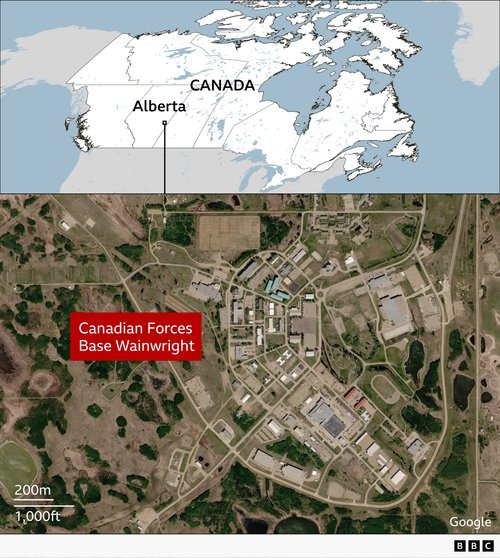
The high‑stakes referendum in Alberta ended with a decisive majority voting to remain part of Canada, sending shockwaves through the separatist movement. Separatist leader Mitch Sylvestre called the result "Not happy", while Premier Corey Smith praised the unity vote and promised no future referendum if the mandate stands. Despite the loss, several pro‑separatist figures said the movement’s struggle is far from over, citing long‑standing grievances and potential for future negotiations. Analysts compare Alberta’s situation to Quebec’s historic sovereignty drives, noting that while independence is unlikely soon, demands for greater provincial autonomy persist. The outcome will shape Alberta’s political landscape and its relationship with Ottawa for years to come.
It was a decisive result in a referendum that could have strained national unity.
Early tallies show Alberta voters sent a clear message they want to remain in Canada, with more than two‑thirds voting for unity.
The move could be the end of the long‑present separatist agenda and shift that idea to the fringes of provincial politics.
Separatist leaders, who campaigned for years to get a vote on independence, felt the loss keenly. When asked for a one‑sentence reaction, leader Mitch Sylvestre said simply, "Not happy".
Premier Corey Smith celebrated the result, stating, "Albertans made a clear choice." He also assured voters that no further binding referendum would follow if the current mandate stands.
Though the victory is evident, the separatist wing maintains the conversation will continue, drawing on arguments that Canada has long underserved Alberta’s oil and gas sector and imposed unpopular federal mandates.
Leaders like attorney Jeffrey Rath and Keith Wilson expressed plans to keep pushing for greater autonomy, citing prosperity arguments and international examples such as Quebec’s sovereignty movement.

The province also held nine additional but non‑binding questions on autonomy, immigration and other services. Early data indicates many of these could pass, offering the province leverage over Ottawa.
Political commentators note that while outright independence seems distant, Alberta may still pursue stronger provincial control, learning from Quebec’s history and seeking incremental gains.
The unionists will likely cement the unity message in the short term, yet the debate around Alberta’s future remains an ongoing thread in Canadian politics.