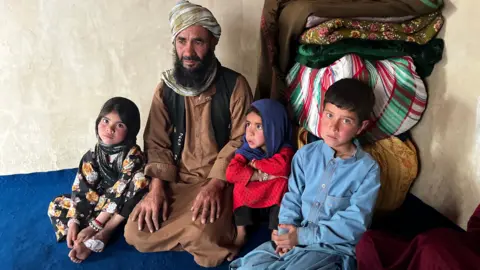
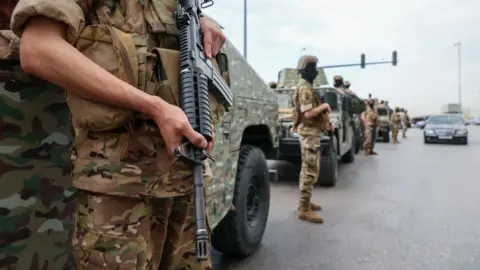
Roberts-Smith, who ended his military career in 2013, has consistently denied the allegations and has not faced criminal charges—the standards of proof in civil cases are less stringent. The case revolved around articles published in 2018 by three major newspapers, which subsequently tarnished Roberts-Smith's previously heroic reputation as a recipient of Australia's top military award for bravery in combat.
During the trial, which spanned over 120 days and reportedly cost him up to A$35 million, Roberts-Smith maintained that the actions he took in Afghanistan were legitimate and that the claims against him were fabricated. The initial judgment found that he not only murdered civilians but also intimidated soldiers within his unit and attempted to conceal his misconduct. Claims regarding personal conduct, such as alleged domestic violence and additional killings, were not substantiated to the required standard.
Central to the appeal was the argument by Roberts-Smith's legal team that the original judge, Justice Antony Besanko, failed to adequately consider the presumption of innocence when weighing the evidence presented by the media. As pressure mounts, this historic case continues to unfold, drawing significant public attention and debate over the actions and accountability of Australian military personnel.
Stay tuned for updates on this developing story as more details emerge.
During the trial, which spanned over 120 days and reportedly cost him up to A$35 million, Roberts-Smith maintained that the actions he took in Afghanistan were legitimate and that the claims against him were fabricated. The initial judgment found that he not only murdered civilians but also intimidated soldiers within his unit and attempted to conceal his misconduct. Claims regarding personal conduct, such as alleged domestic violence and additional killings, were not substantiated to the required standard.
Central to the appeal was the argument by Roberts-Smith's legal team that the original judge, Justice Antony Besanko, failed to adequately consider the presumption of innocence when weighing the evidence presented by the media. As pressure mounts, this historic case continues to unfold, drawing significant public attention and debate over the actions and accountability of Australian military personnel.
Stay tuned for updates on this developing story as more details emerge.