In brief
During a Germany vs Curacao match the Australian VAR official Shaun Evans was filmed making an upside‑down OK hand sign that triggered social media outrage. Evans maintains the gesture was an involuntary, subconscious twitch and denied any intention to communicate a message. FIFA investigated and concluded there was no breach of its disciplinary code, and Evans will remain on the panel for the rest of the tournament. The incident has raised questions about the use of the gesture as a white‑supremacy symbol and has prompted changes to VAR hub television shots.
During the World Cup match between Germany and Curacao on 14 June 2026, an Australian Video Assistant Referee was shown making an upside‑down OK hand sign that caused a social media storm. Shaun Evans said he was unaware of making the gesture and described it as an involuntary, subconscious twitch. The incident sparked speculation that the sign could be a white‑supremacy symbol, as the gesture has been linked to far‑right movements.
\FIFA launched an investigation and released a statement saying it found no evidence of any breach of its disciplinary code. Evans was cleared and will continue to officiate for the rest of the tournament. The investigation was supported by video evidence that showed Evans repeatedly making the motion while holding a pen between his fingers.
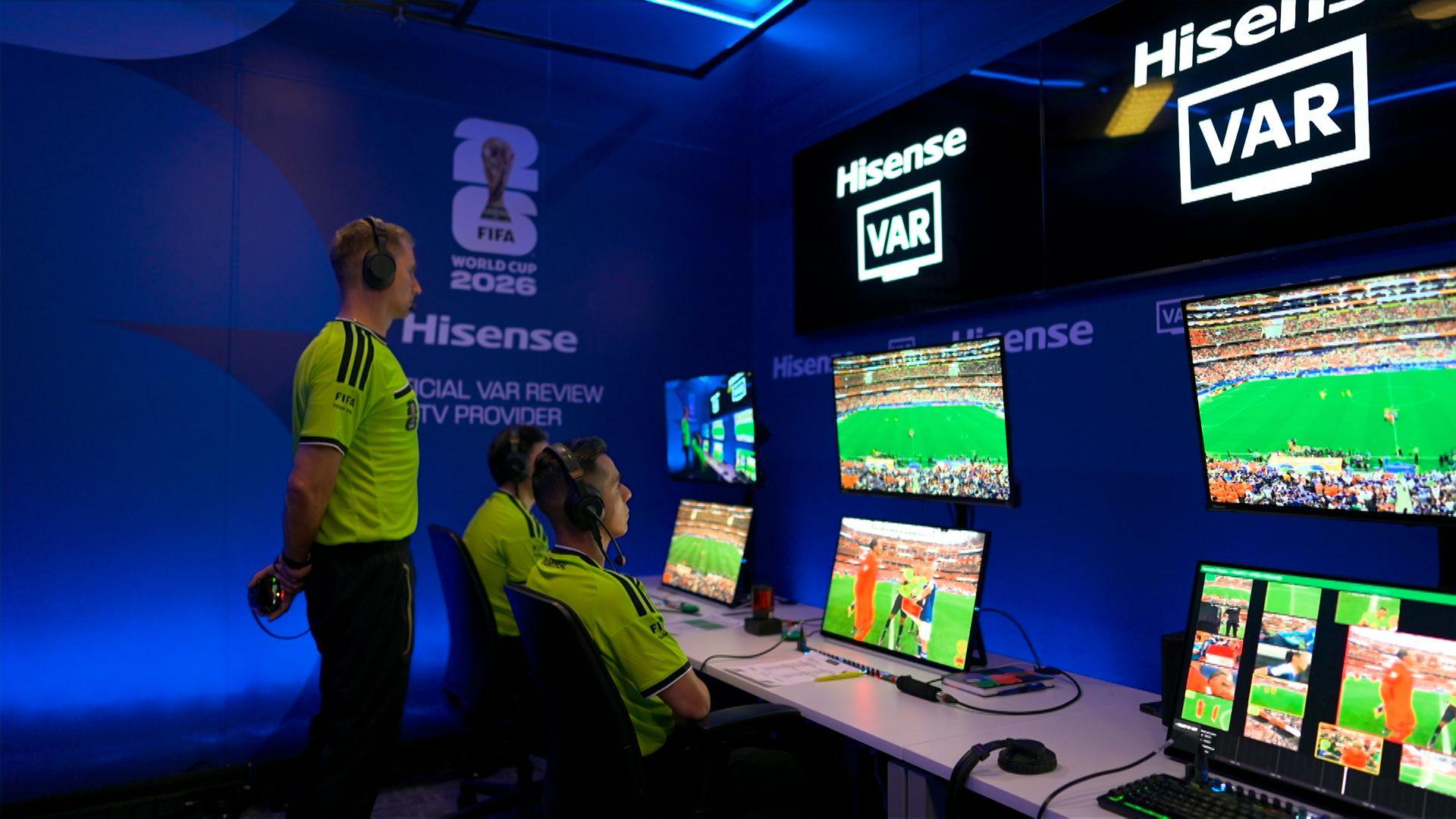
\In the aftermath of the incident, FIFA changed its broadcasting of the VAR hub. Rather than showing the officials posing for the camera, shots now focus on the monitors they are using. This shift has been observed across subsequent matches.
\While Evans denied any intentional meaning behind his gesture, the confusion underscored the importance of clear communication and the challenge of interpreting body language in high‑profile sports events. The World Cup continues with heightened scrutiny, as fans and commentators remain alert to any potential missteps from officials.