A Beautiful Himalayan Bird Is Changing Its Voice Due to Human Activity, Research Shows
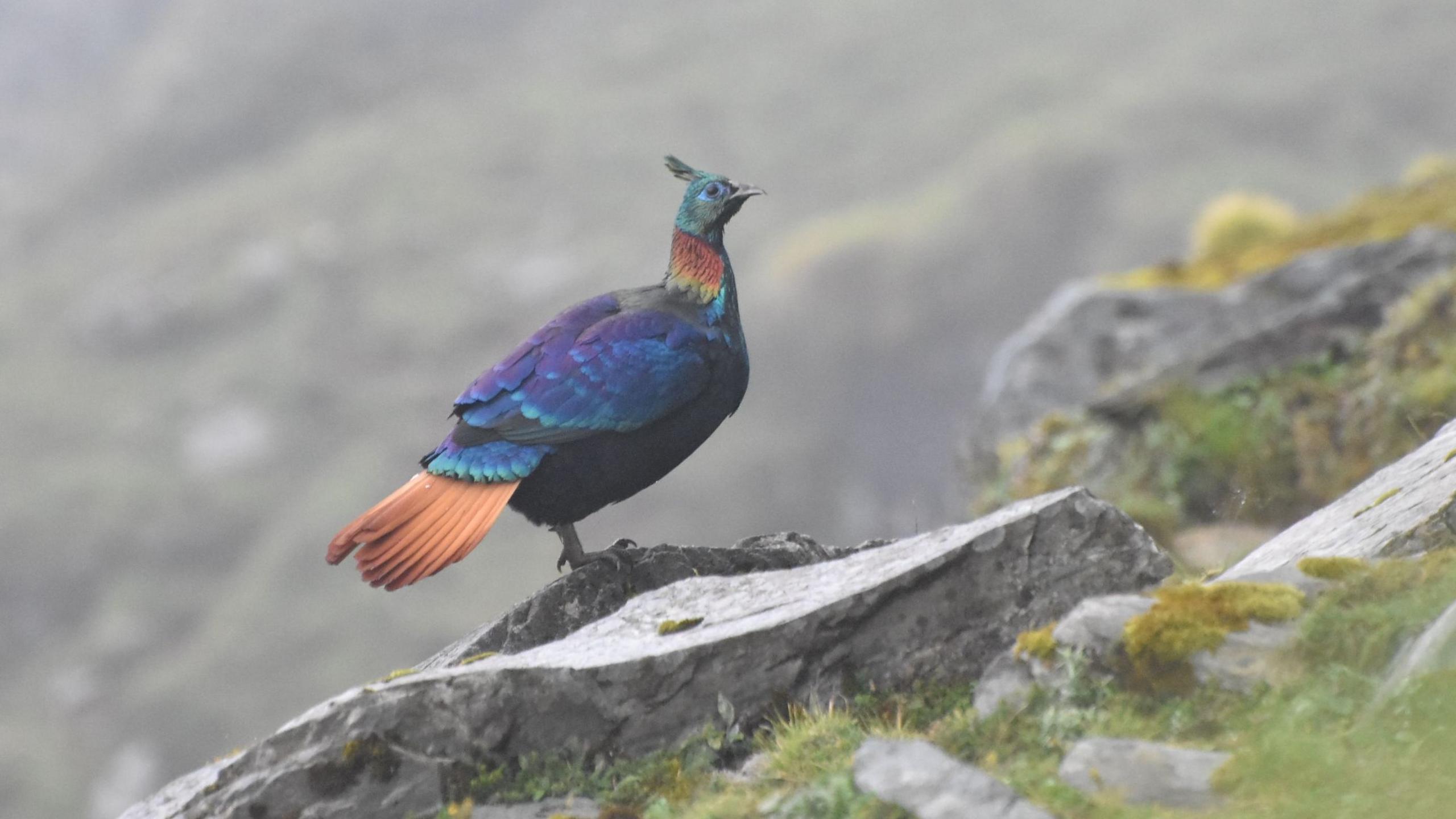
Scientists in Uttarakhand have found that the monal, a pheasant native to the Himalayan mountains, is both shifting its hunting grounds and adjusting the pitch of its calls to remain audible over the new cacophony of human noise.
Often called the “rainbow bird” for its shimmering plumage, the male monal is also the state bird of Uttarakhand and the national bird of Nepal, symbolising cultural identity across the region.
Over five years, researchers recorded two major impacts on the bird. First, growing roads, resorts and other tourist infrastructure are crowding the alpine meadows that the monal typically uses for feeding and breeding, forcing it to rise to higher, more remote elevations.
Second, the noise generated by traffic and crowds in popular valleys has led the monal to produce higher‑frequency calls that can better penetrate low‑frequency background sound. This subtle shift is detectable by acoustic monitors but likely goes unnoticed by the human ear.
“These findings warn us that the monal is already adjusting both its range and its voice,” said Dr Rajeev Lochan, lead researcher. “If such a species can be pushed into a new habitat and learn new vocal patterns, what can we expect for more sensitive species in the Himalayas?”
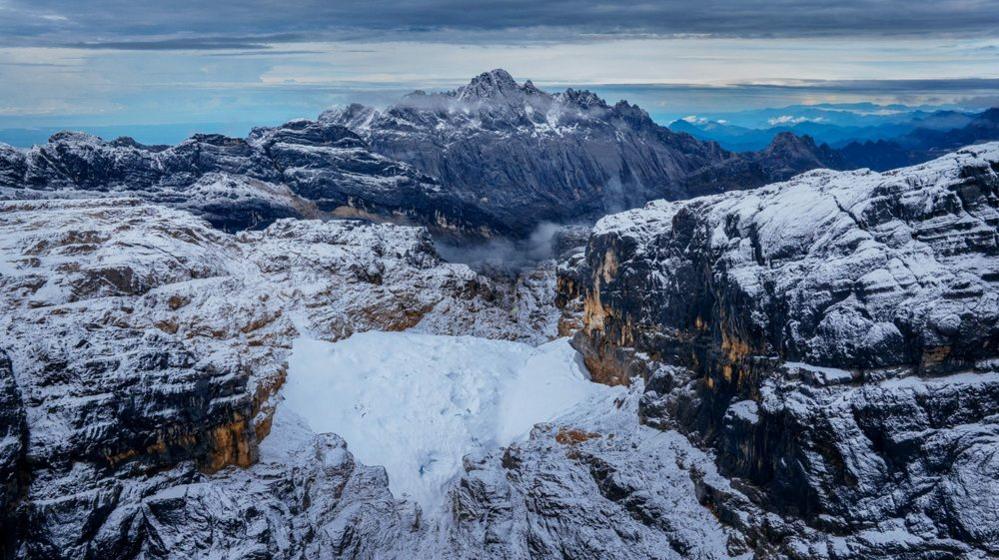
Climate models further suggest that warming temperatures will shrink suitable alpine habitats by the end of the century, forcing populations into ever smaller pockets. Fragmentation may reduce breeding success and increase the risk of local extinction.
Other researchers stress that while the monal’s adaptability is encouraging, it also signals ecological stress in a fragile system that is already under pressure from unregulated tourism and fast‑paced urbanisation. Conservation efforts must address both habitat loss and the acoustic environment to safeguard Himalayan wildlife.
Readers interested in the wider context can explore related stories: The Himalayas are melting faster - and India’s economy is ‘at risk’ and Why the mighty Himalayas are getting harder and harder to see.