Heatwave‑Induced Champagne: Bubbles Get a Higher Alcohol Punch
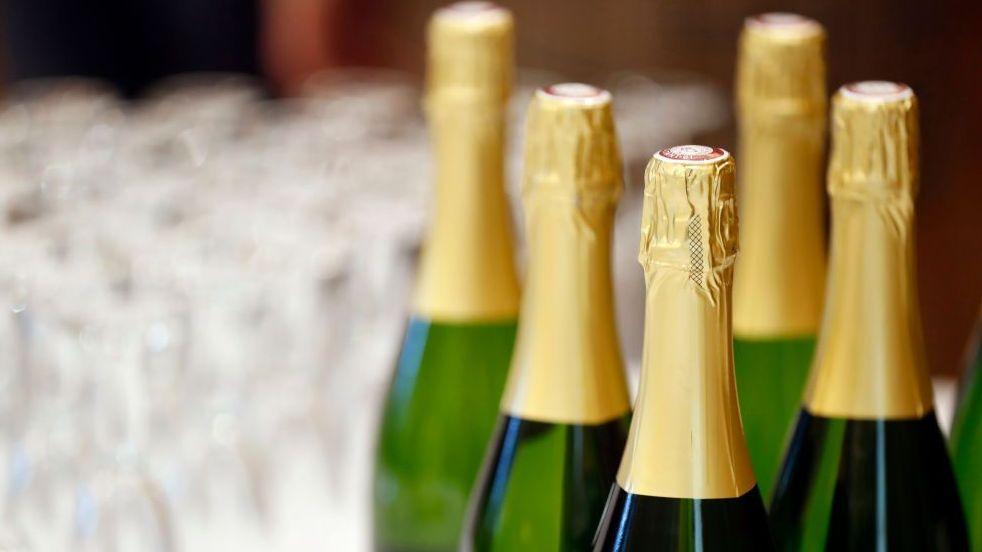
French winemakers have temporarily lifted the Champagne alcohol limit from 13% to 15% to compensate for the unusually high‑sugar grapes produced under this summer’s record heatwaves.
The harvest began in early August, earlier than any other year on record, with berry‑ripeness reached half a month before mid‑summer. The increased sugar concentration turned into higher alcohol during fermentation, pushing some batches above 13% ABV.
The Comité Champagne has granted a temporary 15% limit for this harvest only, a change explained as a short‑term solution that preserves the style of the wines while meeting new natural conditions.
Ingredients in the second fermentation – the stage that creates the classic sparkling bubbles – can see a slight rise in alcohol, sometimes 0.1–0.3 percent above the standard ceiling. Adopting 15% as a ceiling for 2026 keeps the process legal while reflecting the grapes’ reality.
Winemaker Stéphane Vignon notes the Mediterranean climate’s shift northward, adding that this season could be the first of a new pattern in a decade, although it is unlikely to happen every year.
Wine columnist Jane Anson cautions that a high‑alcohol Champagne may not find a lucrative market – consumers are gravitating towards lower‑alcohol options for health and balance, and the extra potency may not align with typical tastes.
Because Champagne must age for at least fifteen months, the 2026 vintage will likely not reach shelves until 2028. This delay includes the additional time needed for tannin structure to settle and bubbles to mature fully.
Experts warn that Climate Change is accelerating heatwaves, making early harvests more common across Europe. The record 2026 summer saw five intense heatwaves, shaping a future where such extremes might become the norm.
For more on how extreme weather is reshaping food and markets, descend to How will extreme weather affect our food?