In brief
Parts of Bengaluru, known as India's tech hub, are facing unprecedented flooding due to record rainfall, causing significant disruptions and driving calls for improved urban planning.
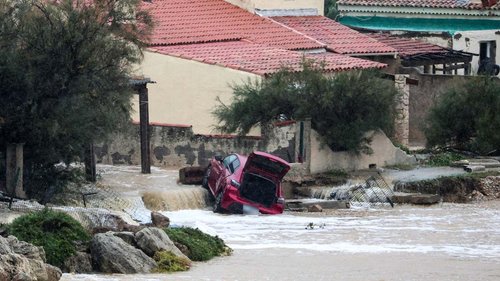
Bengaluru, often referred to as India's Silicon Valley, is reeling from severe flooding after heavy rains inundated the city, raising alarms for more potential downpours on Tuesday due to cyclonic activity over the Andaman Sea. Authorities reported that sections of the city experienced over 100mm (about 4 inches) of rain on Monday alone, a phenomenon considered rare since such volumes had not been recorded there since 2011. The persistent rain has resulted in tragic incidents, including the deaths of three individuals, one of whom was a young boy.With the majority of the city now submerged, prominent global tech companies have instructed employees to work remotely as road access becomes increasingly perilous. The flooding has left numerous commuters stranded, with visuals showing people navigating knee-deep waters and abandoned vehicles dotting flooded streets. In one such incident, the compound wall of an IT firm collapsed, leading to the death of a 35-year-old woman.In response to the chaos, the local city council has identified 210 areas prone to flooding and is working relentlessly to manage the crisis. Despite the government's reassurances to the residents of Bengaluru, social media has erupted with criticisms regarding the city’s failing infrastructure. Many are questioning why, despite substantial investments, the city appears unprepared for such flooding events.Longtime resident Annu Itty reflected on how newly developed neighborhoods designed to cater to the booming tech industry are often the hardest hit. She asserts that poor urban planning and a lack of government accountability significantly contribute to the flooding challenges faced by residents.The current Karnataka state government, led by the Congress party, has faced backlash from the opposition Bharatiya Janata Party (BJP), which accuses the ruling party of neglecting critical infrastructure despite substantial funds being allocated. The BJP has called for the immediate release of 10 billion rupees (approximately $117 million) for relief efforts, while Deputy Chief Minister DK Shivakumar claims these challenges are chronic issues that have persisted across various administrations.Experts attribute the frequent flooding to the rapid urban development that has encroached upon Bengaluru's lakes and wetlands, in conjunction with inadequate urban planning. Ananda Rao, the president of the Association for Information Technology noted the difficulties that such flooding creates for businesses, emphasizing the need for long-term infrastructure solutions to prevent future occurrences.