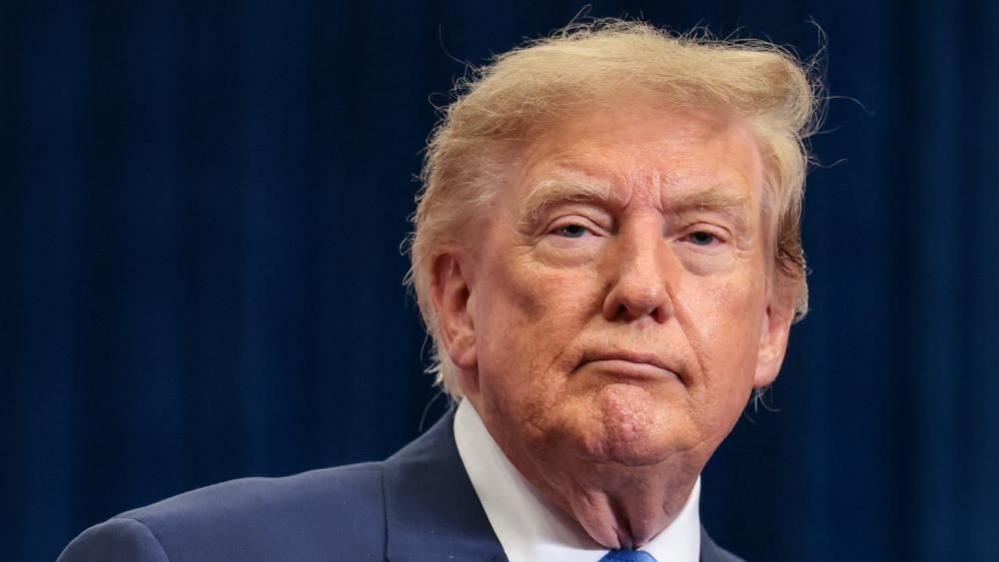
Greenlanders are voicing their fears as the remote island becomes a focal point in a geopolitical storm stirred by US President Donald Trump's intentions regarding the territory. Next week, US Secretary of State Marco Rubio is set to meet with officials from Denmark and Greenland to discuss the implications of Trump's desires, which have led to rising anxiety amongst the 57,000 inhabitants who cherish their semi-autonomous status.
Greenland, a vast island known for its breathtaking ice-capped mountains and fjords, is largely comprised of indigenous Inuit. Despite its size – nine times that of the UK – its sparse population is expressing unease over the notion of foreign powers exerting influence, especially from a nation that has historically been known for undiplomatic interventions.
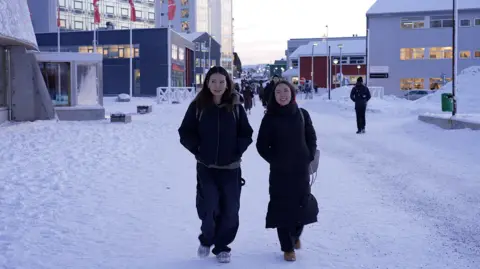
Locals in Nuuk, Greenland’s capital, shyly shared their thoughts on the matter. Some, like a concerned pensioner, firmly stated that they do not want the US flag to be planted in their capital. A pottery-maker, Pilu Chemnitz, stressed a desire for peace, reflecting on the past colonization by Denmark and expressing that now they simply want to be left alone.
The prospect of Trump taking action comes in light of national security concerns over the Arctic, where strategic military interests have sparked discussions about potential military bases and trade agreements. While many Greenlanders oppose any takeover, there is also a desire for greater independence from Denmark, as evidenced by sentiments expressed in the local parliament.
While Greenland is geographically part of North America and closer to US cities than to Copenhagen, the mixed feelings illustrate a landscape fraught with complexity; many local leaders advocate for negotiations to prioritize Greenlandic voices over international power plays. The sentiment remains clear: despite the potential for riches below their frozen lands and strategic military importance, Greenlanders wish to chart their own path forward.
Greenland, a vast island known for its breathtaking ice-capped mountains and fjords, is largely comprised of indigenous Inuit. Despite its size – nine times that of the UK – its sparse population is expressing unease over the notion of foreign powers exerting influence, especially from a nation that has historically been known for undiplomatic interventions.
Locals in Nuuk, Greenland’s capital, shyly shared their thoughts on the matter. Some, like a concerned pensioner, firmly stated that they do not want the US flag to be planted in their capital. A pottery-maker, Pilu Chemnitz, stressed a desire for peace, reflecting on the past colonization by Denmark and expressing that now they simply want to be left alone.
The prospect of Trump taking action comes in light of national security concerns over the Arctic, where strategic military interests have sparked discussions about potential military bases and trade agreements. While many Greenlanders oppose any takeover, there is also a desire for greater independence from Denmark, as evidenced by sentiments expressed in the local parliament.
While Greenland is geographically part of North America and closer to US cities than to Copenhagen, the mixed feelings illustrate a landscape fraught with complexity; many local leaders advocate for negotiations to prioritize Greenlandic voices over international power plays. The sentiment remains clear: despite the potential for riches below their frozen lands and strategic military importance, Greenlanders wish to chart their own path forward.