Federal officers have encountered strong opposition in cities across the U.S. targeted by President Trump’s ongoing immigration enforcement campaign. Minnesota, a state marked by daily conflicts with the Trump administration, has seen a recent escalation in tensions following the shooting of 37-year-old Renee Good by an immigration officer, not far from the location where George Floyd was killed in 2020.
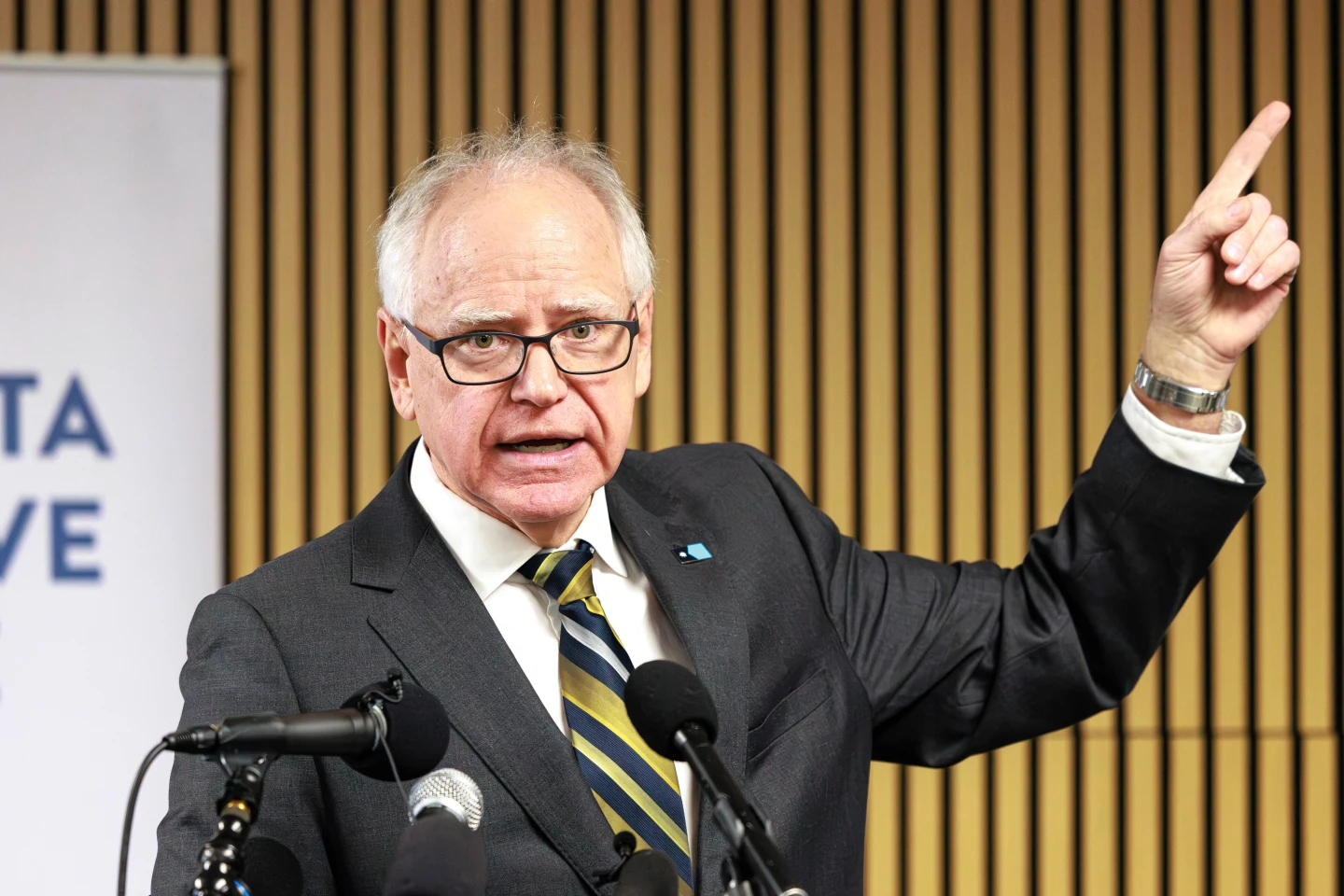
Trump's recent statements, including calling Minnesota’s Somali community 'garbage,' have intensified scrutiny on the state, which has become a focal point for his administration’s immigration policies. The federal investigation into fraud tied to COVID-19 aid targeting social services has only added to the chaos, leading Governor Tim Walz to announce that he will not seek re-election amidst the political turmoil.
The killing of Good and the ongoing enforcement operations echo painful memories of unrest following Floyd’s death. As tensions mount, locals like nurse Stephanie Abel express concern over government actions, questioning the motives behind such aggressive enforcement during a critical time.
Amid these growing tensions, immigration operations in liberal cities may exacerbate existing divisions, suggesting that Minnesota’s unique political landscape makes it a key battleground in the fight over immigration policy. Governor Walz has urged President Trump to ease off, ensuring that residents are not further subjected to the 'relentless assault' on their community.
As protests grow and federal forces remain present in the Twin Cities, many fear that the situation may escalate further, prompting broader conversations about racial and political tensions in America.