Ghana’s Bus Preachers Face New Ban
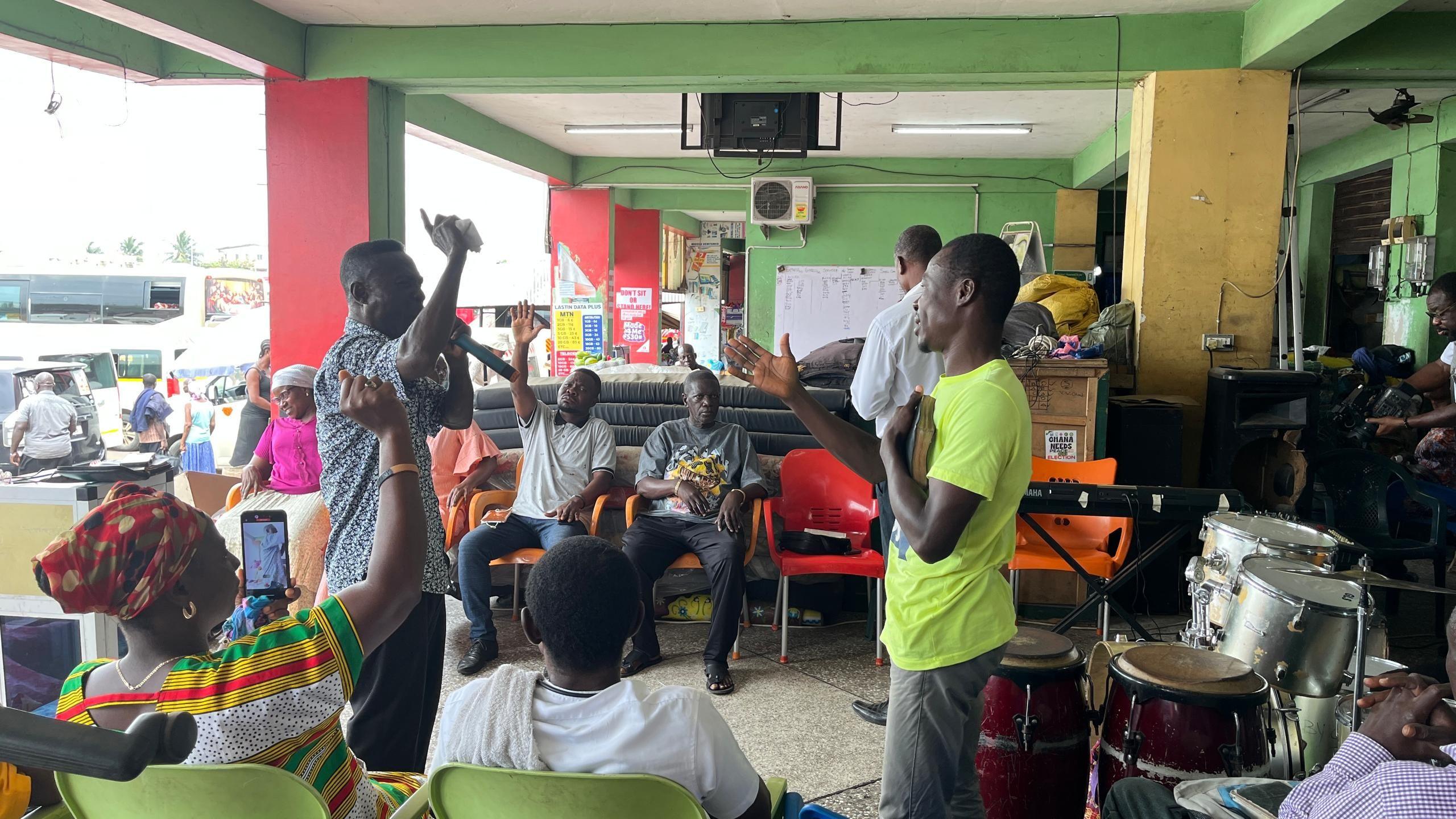
Before the rush of commuters, music and praising hymns echo through Neoplan bus station in Accra. A group of Christians gather to spread the gospel on buses that travel across the country. One of them, 61‑year‑old Pastor Boateng Bismark James, has been preaching on commercial transport since 2023.
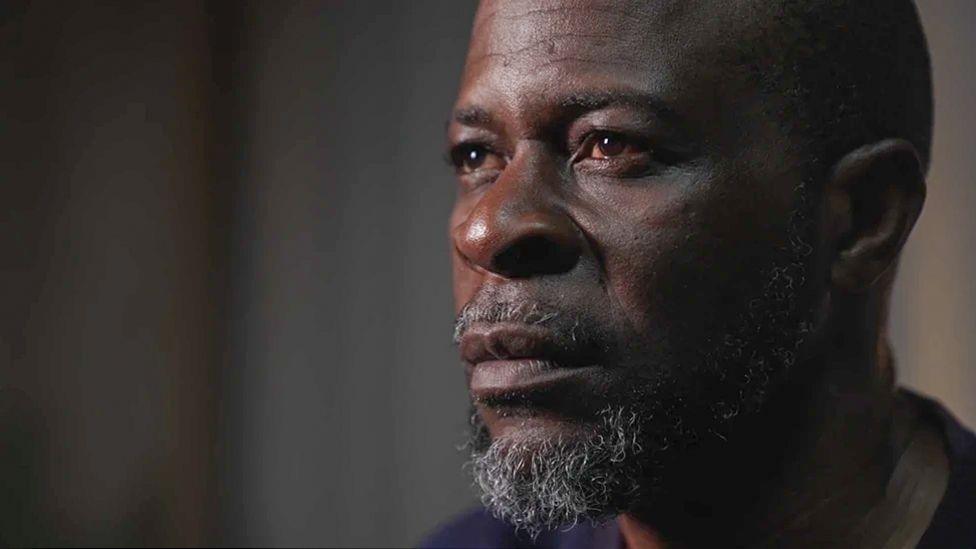
Boateng says he speaks on buses because many people cannot attend weekday church. He claims the sermons reach passengers who otherwise might never hear a message of salvation and even reports performing healings on some vehicles.
A new regulation, passed by Ghana’s parliament in May and now being enforced, classifies preaching and hawking on moving vehicles as a nuisance and a safety risk. Offenders face up to eight months in prison, a fine of up to $52 (£39), or both.
Pastors argue that the ban infringes on their faith and that religious outreach is a key way to reach people who cannot go to church. Critics point to drivers being distracted and blankets a safety hazard. One passenger, identified as Chery Lokko, told the BBC she prefers a quiet ride and finds the sermons disruptive.
Boateng says the new law is a shock and that many of his supporters rely on the money given by passengers for family sustenance. He urges the government to grant an exemption and to allow preachers to leave once the bus exits Accra.
Ghana’s constitution protects freedom of religion, but the government says the ban is justified under public safety. Some pastors are considering alternative platforms such as social media to continue spreading their message.
“We have to adapt or we risk falling foul of the law.” Boateng says.
The ban divides opinion: some view it as necessary for safety, others see it as an attack on religious expression. Only time will tell how the new law impacts bus evangelism in Ghana.