In brief
The masking of federal agents involved in immigration enforcement has raised concerns over public safety, accountability, and community trust. As the Trump administration navigates funding discussions, both Democrats and Republicans grapple with the ramifications of unmasking agents amid intensifying scrutiny. Advocates highlight the need for greater oversight and restraint in immigration operations.
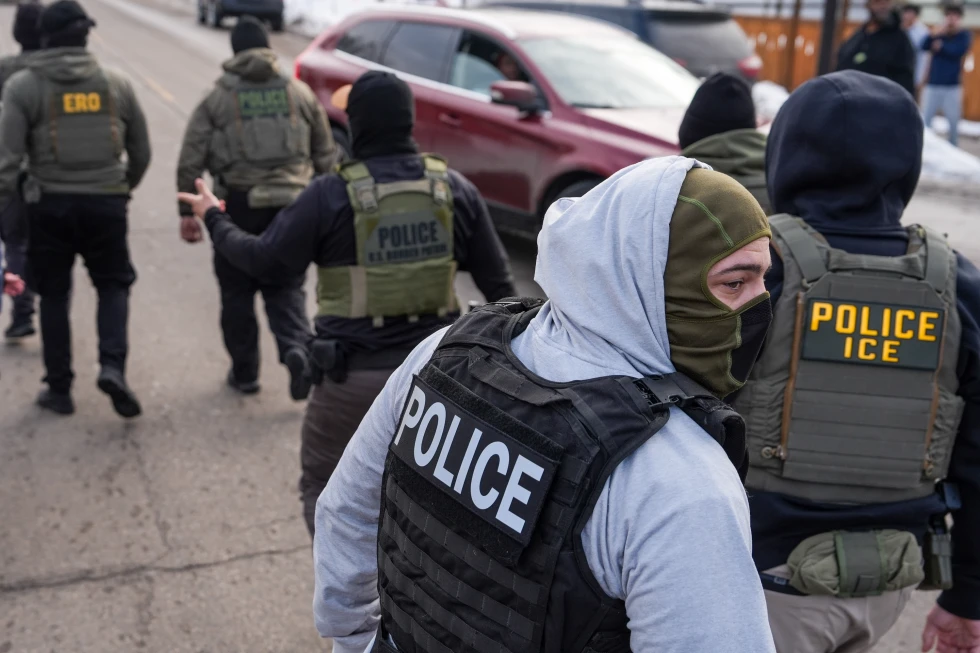
WASHINGTON (AP) — The sight of masked federal officers during immigration enforcement has sparked a fierce debate in Congress amid the ongoing funding negotiations for the Department of Homeland Security. Critics argue that hiding officers' identities fosters fear within communities and undermines public trust in law enforcement.
Unlike other policing agencies, the U.S. Immigration and Customs Enforcement (ICE) has made masked operations a common practice, raising concerns about accountability and the potential for intimidation. Recent incidents, including violent confrontations involving federal agents, have intensified these worries further.
Democratic leaders insist on unmasking federal agents as a crucial condition for funding proposals, advocating for the necessity of transparency and accountability in immigration operations. Cameras on, masks off has emerged as a rallying cry among lawmakers.
Experts warn that the anonymity of federal agents serves more than just privacy concerns; it diminishes community cooperation and escalates tensions between law enforcement and the public. Former sheriff Justin Smith remarks, When you can't see their faces, it just tends to make people uncomfortable, raising questions about the implications of masked enforcement.
The debate continues as lawmakers strive to balance the safety of ICE officers with the need for transparency in their operations—a complex issue that could set new standards in law enforcement visibility across the nation.