In brief
Measles vaccination rates among Minnesota's Somali community have dramatically dropped from 92% in 2006 to around 24% today, fueling rising health concerns. Immigration crackdowns have led to fears around seeking medical care, while misinformation about vaccines continues to thrive in this community. Despite efforts to improve vaccine confidence, anxiety surrounding immigration status hampers parents' willingness to engage with health services, leaving many children unprotected.
MINNEAPOLIS (PulseWire) — Public health officials and community leaders have noted a brewing crisis in Minnesota's Somali community regarding measles vaccinations, worsened by recent federal immigration enforcement actions and pervasive vaccine misinformation.
The vaccination rate among Somali children has plummeted from 92% in 2006 to approximately 24% today. This sharp decline is alarming as a 95% vaccination rate is critical to prevent outbreaks of measles, a highly contagious disease.
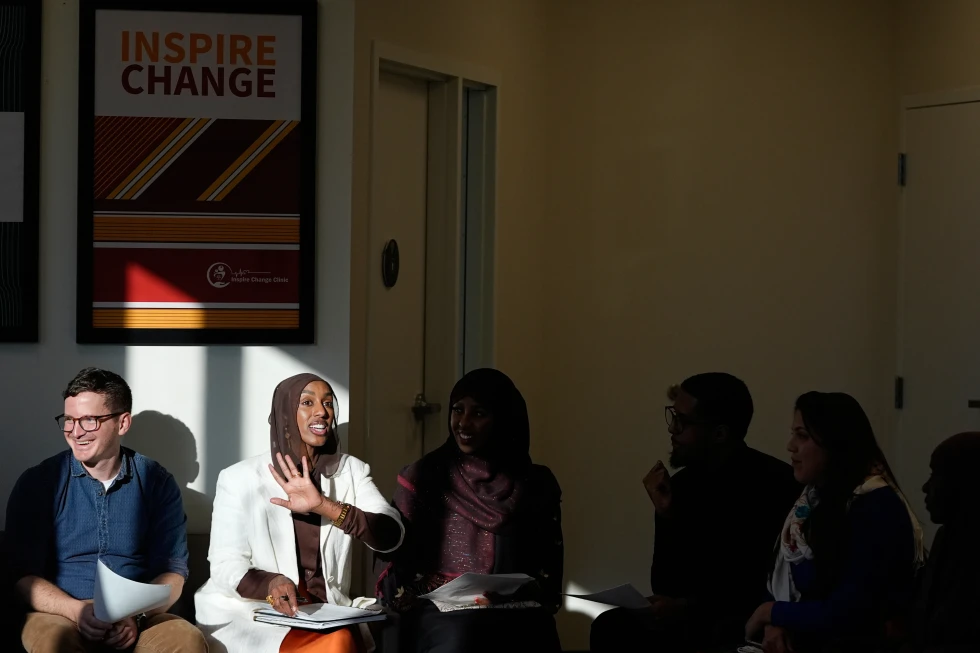
Nurse practitioner Munira Maalimisaq, who leads the Inspire Change Clinic in a predominantly Somali neighborhood, stated, People are worried about survival. Vaccines are the last thing on people's minds, yet it's a significant issue.” Fear surrounding immigration enforcement has significantly deterred community members from seeking medical advice or medical care, further contributing to the declining vaccination rates.
The spread of misinformation about vaccines, particularly the debunked myth linking the measles, mumps, and rubella (MMR) vaccine to autism, remains prevalent in this community, creating a challenging environment for health advocates.
Many Somali families are prioritizing immediate survival needs such as food security and child care over vaccination concerns. Discussions around vaccines and health are increasingly pushed to the back burner.
Imam Yusuf Abdulle emphasizes that the ongoing immigration crackdown has created an atmosphere of fear, preventing parents from accessing vital health services and building trust with healthcare providers. The fear of deportation can overshadow concerns about children's vaccination, he noted.
Local health officials have attempted to address these issues through community engagement, but efforts are inconsistent. Many families do ultimately vaccinate their children, but delays and hesitance contribute to growing health vulnerabilities.
Maalimisaq notes that the community's health evolution has fallen into cyclical patterns, with initiatives to promote vaccination often initiated and then halted. These stopping points can often lead to erosion of trust as families feel abandoned by the systems meant to support them.
The statistics indicated a rising trend of confusion about vaccine safety, especially amid heightened anxiety linked to immigrants in fear of deportation; therefore, local health workers express urgency in creating supportive, informative environments for Somali families amidst these challenging dynamics.
As cases of measles in Minnesota rise, it is clear that a concerted effort will be needed to overcome misinformation and engage deeply with vulnerable communities to protect public health.