In brief
Luis Ramirez, a restaurant owner in Minneapolis, confronted men disguised as utility workers parked outside his business, fearing they were immigration agents. Similar incidents have reportedly surged in Minnesota, with federal agents adopting disguises to evade detection. Legal groups express alarm over these tactics, which contribute to an atmosphere of distrust and anxiety within the immigrant community as they challenge the increasing enforcement measures.
MINNEAPOLIS — Luis Ramirez, the owner of a Mexican restaurant in suburban Minneapolis, became suspicious of men dressed as utility workers loitering outside his establishment. The men, wearing bright vests and hard hats, appeared incongruous as they sat idly in their vehicle, prompting Ramirez to investigate further.
His concerns were warranted; a search for the Wisconsin electrician advertised on their vehicle yielded no results. Last week, when they returned to the parking lot, Ramirez documented his confrontation with them, addressing them directly in a heated exchange while filming. This is what our taxpayer money goes to: renting these vehicles with fake tags to come sit here and watch my business, he yelled, addressing the concealed men who appeared to be wearing tactical gear beneath their attire.
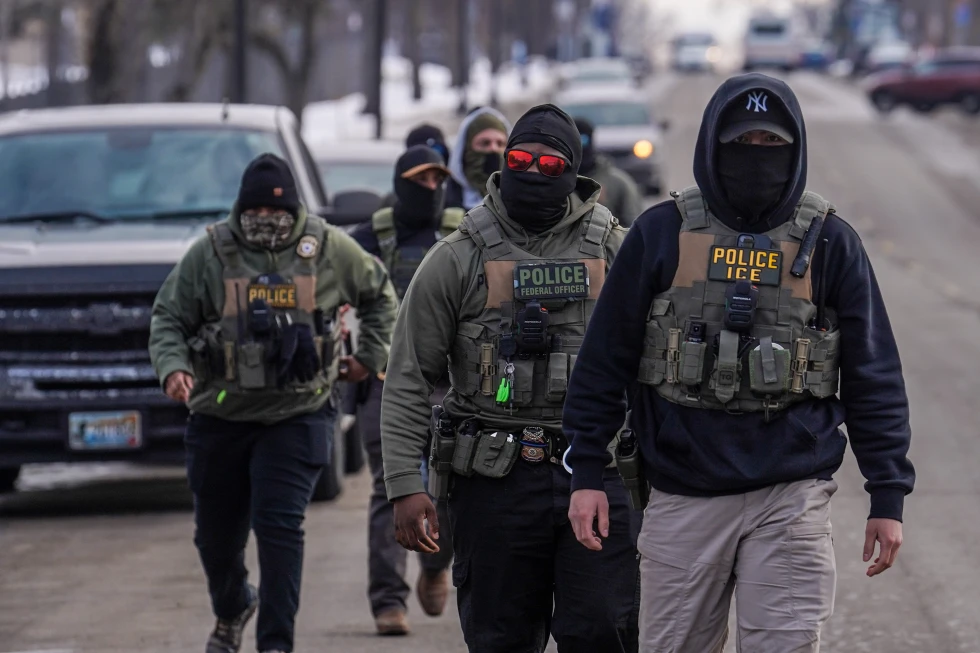
The identity of the men remains unclear as neither the Department of Homeland Security (DHS) nor Immigration and Customs Enforcement (ICE) responded to inquiries about their affiliations or legal standing. However, Ramirez's experience highlights a growing trend of federal agents masquerading as construction workers, delivery drivers, and even anti-ICE activists across Minnesota amid an intensified crackdown on immigration enforcement.
As reports of these incidents increase, civil liberties groups and observers articulate deepening anxiety within the community. Ramirez’s encounter fits within a broader acknowledgment of escalating tactics employed by immigration enforcement agencies under the Trump administration, raising alarms about public trust and the rule of law.
Naureen Shah of the ACLU articulated concern, noting, If you have people afraid that the electrical worker outside their house might be ICE, you’re inviting public distrust and confusion on a much more dangerous level.
These unsettling practices disrupt the fabric of societal trust necessary for effective community governance, indicating a strategic shift in how federal agencies operate amidst significant public scrutiny.
The implications of these undercover operations extend beyond individual fears, reflecting a tactical evolution aimed at eluding scrutiny from local activist networks that monitor federal actions closely. Reports of agents posing as workers at construction sites or utilizing vintage or false license plates to access neighborhoods have become increasingly commonplace. This evolution of deception highlights the shifting landscape of immigration enforcement, eliciting concern about the boundaries of lawful operation and effects on community safety.
With citizens expressing trepidation over who may be disguising themselves in plain sight for surveillance purposes, the heightened vigilance surrounding these tactics signals a turning point in public sentiment regarding federal immigration policy. As Ramirez succinctly put it, Everybody is on edge about these guys, man. It feels like they’re everywhere.