RALEIGH, N.C. (AP) — In a critical ruling that could shape the future of voting rights in North Carolina, federal Judge Loretta Biggs upheld the state's photo voter identification law on Thursday, rejecting claims from civil rights advocates that it was enacted with discriminatory intent against Black and Latino voters. The decision marks a decisive legal victory for Republican lawmakers who championed the law, passed in late 2018 shortly after voters approved a constitutional amendment supporting voter ID requirements.
Senate leader Phil Berger expressed satisfaction with the ruling, stating it confirms the constitutionality of the voter ID mandate. The NAACP, which filed the lawsuit against the law, argued it has been designed to suppress the voting rights of populations that traditionally lean Democratic. Their claims were dismissed as the court leaned on precedent to grant the law constitutional standing.
Defense attorneys for the law countered that it is among the most comprehensive voter ID regulations in the country, featuring more qualifying types of identification than previous attempts. They argued that rather than disenfranchising voters, the legislation aims to bolster confidence in the electoral process and prevent rare instances of voter impersonation.
Despite the ruling, NAACP President Deborah Dicks Maxwell expressed disappointment, emphasizing that the law perpetuates barriers that affect minority voters significantly. The case could see further legal battles as no appeals have been disclosed yet, and its implications could resonate through upcoming elections.
Judge Biggs acknowledged that the burdens of obtaining necessary ID disproportionately affect racial minorities, leading to concerns that many eligible voters could have their votes invalidated. However, she cited previous court decisions that favored the presumption of lawmakers acting in good faith and upheld the law despite its potential ramifications. The 2018 law had seen implementation during the 2023 municipal elections under an earlier Supreme Court ruling that permitted its enforcement.
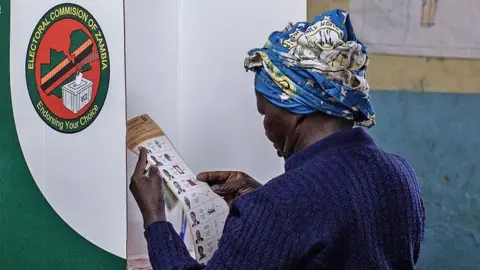
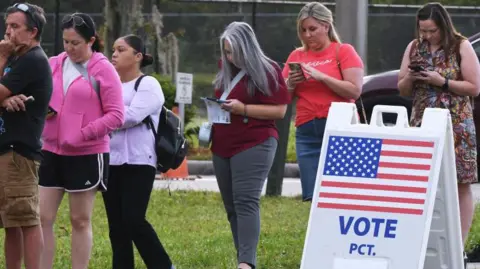
North Carolina provides free ID cards for voting, obtainable at local election offices and DMV locations, with provisions in place for those unable to present their IDs at polling locations. The law's endorsement falls in line with trends observed nationwide, where 36 states have regulations requiring some form of identification at polls.
Senate leader Phil Berger expressed satisfaction with the ruling, stating it confirms the constitutionality of the voter ID mandate. The NAACP, which filed the lawsuit against the law, argued it has been designed to suppress the voting rights of populations that traditionally lean Democratic. Their claims were dismissed as the court leaned on precedent to grant the law constitutional standing.
Defense attorneys for the law countered that it is among the most comprehensive voter ID regulations in the country, featuring more qualifying types of identification than previous attempts. They argued that rather than disenfranchising voters, the legislation aims to bolster confidence in the electoral process and prevent rare instances of voter impersonation.
Despite the ruling, NAACP President Deborah Dicks Maxwell expressed disappointment, emphasizing that the law perpetuates barriers that affect minority voters significantly. The case could see further legal battles as no appeals have been disclosed yet, and its implications could resonate through upcoming elections.
Judge Biggs acknowledged that the burdens of obtaining necessary ID disproportionately affect racial minorities, leading to concerns that many eligible voters could have their votes invalidated. However, she cited previous court decisions that favored the presumption of lawmakers acting in good faith and upheld the law despite its potential ramifications. The 2018 law had seen implementation during the 2023 municipal elections under an earlier Supreme Court ruling that permitted its enforcement.
North Carolina provides free ID cards for voting, obtainable at local election offices and DMV locations, with provisions in place for those unable to present their IDs at polling locations. The law's endorsement falls in line with trends observed nationwide, where 36 states have regulations requiring some form of identification at polls.