In brief
In a landmark move, the US Food and Drug Administration granted approval to Revolution Medicines’ drug daraxonrasib, marketed as Rasonque, for treating pancreatic cancer. Clinical trials with 500 patients reported a near‑doubling of overall survival—from 6.6 months on chemotherapy to 13.2 months with the daily pill. The drug targets the KRAS mutation present in over 90% of pancreatic tumors, offering a new option where mortality rates remain dangerously high. Side‑effect rates were lower than standard chemotherapy, with 44% versus 57.5% severe events. The approval came just six months ahead of the scheduled deadline, reflecting urgency in addressing this difficult disease.
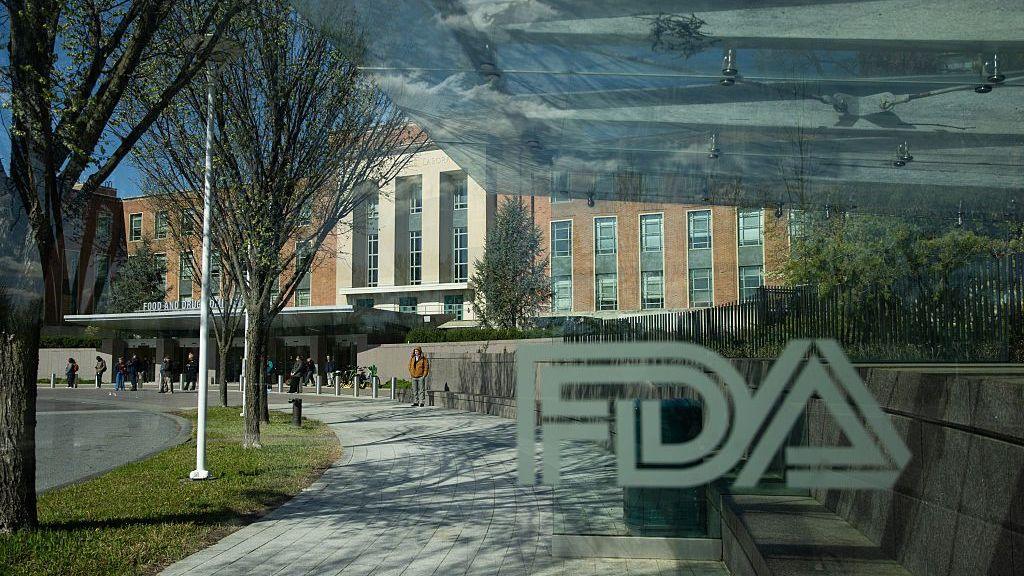
FDA Approves Breakthrough Pancreatic Cancer Drug, Doubling Survival
The US Food and Drug Administration has cleared daraxonrasib—sold under the name Rasonque—as a new therapy for pancreatic cancer, a disease notorious for its high mortality rate.
In a late‑stage Phase III trial, 500 participants received the daily pill. Those on daraxonrasib lived an average of 13.2 months, more than double the 6.6 months for patients treated with standard chemotherapy.
The drug works by disabling the mutated KRAS gene, a driver in over 90% of pancreatic tumors, thereby throttling cancer spread. By focusing on this key genetic alteration the treatment offers a precision‑medicine approach rarely seen in pancreatic therapy.
The FDA’s Director of the Oncology Center of Excellence, Angelo de Claro, said the approval came six months ahead of schedule because the data demonstrated a “critical new option for patients facing an extraordinarily difficult and historically hard‑to‑treat cancer.”
Side‑effects were lower than conventional chemotherapy. Rash, diarrhea, nausea, fatigue and vomiting were the most common, but only 44% of patients experienced severe symptoms compared with 57.5% in the chemo group.
The drug received the FDA’s Breakthrough Therapy designation in 2025, fast‑tracking its review and reflecting the urgent unmet need in pancreatic oncology.
Ben Sasse, former US Senator and newly diagnosed Stage 4 pancreatic cancer patient, is now enrolled in a clinical trial for daraxonrasib and reports tumor shrinkage after treatment.
Policy & Health UpdatesFor the latest developments, follow us on Twitter @PulseWire and share this story to help raise awareness in real time.