In brief
Over the past year, the number of abandoned oil tankers and commercial ships has surged, driven by geopolitical instability and supply chain disruptions. Interviews with stranded sailors reveal severe shortages of essential supplies, leading to dire living conditions on board. Organizations like the ITF are stepping in to provide support, but the proliferation of shadow fleets raises significant concerns about maritime safety and regulations.
The Shadowy World of Abandoned Oil Tankers
Over the past year, the number of oil tankers and other commercial ships being abandoned globally has spiked significantly. This alarming trend raises questions regarding the underlying causes and the devastating human impact on the affected seafarers.
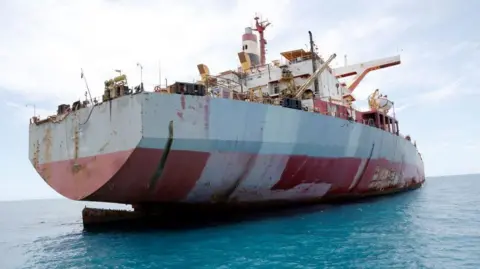
One of those seafarers, Ivan (not his real name), spoke to a reporter from an abandoned oil tanker outside China's territorial waters. The senior deck officer highlighted the acute shortages of essential supplies, stating, We had a shortage of meat, grain, fish—simple things for survival. It's affected our health and our operational atmosphere. His crew is living day-to-day amid dwindling resources.
The vessel is laden with nearly 750,000 barrels of Russian crude oil, valued at approximately $50 million. Abandoned last December, the ship's crew has not been paid for months, prompting intervention from the International Transport Workers' Federation (ITF), which has facilitated delivery of food and essentials to the stranded sailors.
Recent reports indicate there were only 20 abandoned ships in 2016, whereas this figure has escalated to 410 in 2025, affecting over 6,000 merchant seamen. Contributing factors include widespread global conflicts, the COVID-19 pandemic's ripple effects on supply chains, and the rise of shadow fleets—vessels often facing little regulatory oversight.
Shadow fleets comprise aging, uninspected ships frequently operational under flags of convenience, allowing for trade that circumvents international sanctions. The situation for Russian oil exports exemplifies this, where despite sanctions, alternate buyers like China and India have emerged.
The ITF discovered that in 2025 alone, abandoned sailors were collectively owed approximately $25.8 million in wages, recovering two-thirds of that amount. India, the country most affected, saw 18% of the abandoned sailors last year being Indian nationals, prompting their government to blacklist 86 foreign vessels violating seafarer rights.
“Abandonment isn’t an accident,” stated ITF’s General Secretary Stephen Cotton, emphasizing the unpredictability faced by seafarers who, often unaware of the challenges ahead, risk their livelihoods in uncertain conditions. Greater international collaboration is essential to safeguard maritime professionals amidst the phenomenon of shadow fleets.