In brief
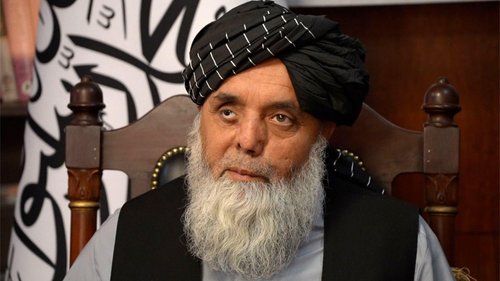
Internal disputes among top Taliban leaders have surfaced following an order from supreme leader Hibatullah Akhundzada to shut down the internet across Afghanistan. The controversial move, viewed as a sign of increasing authoritarianism, was defied by the 'Kabul group,' resulting in the quick restoration of services. This moment of dissent illustrates the growing tensions between Akhundzada's hardline faction and the more pragmatic leaders based in Kabul, calling into question the Taliban's unity and future governance strategies.
A leaked audio clip obtained by the BBC reveals Taliban leader Hibatullah Akhundzada's concerns about internal divisions threatening the group's hold over Afghanistan. The audio, from a January 2025 speech at a madrassa in Kandahar, highlights the strain between factions loyal to Akhundzada and those in Kabul advocating for more engagement with the international community, particularly regarding women's rights.
The rift escalated in late September when Akhundzada ordered a nationwide internet shutdown, arguing it was against Islamic principles. However, the decision faced unexpected backlash as influential ministers from Kabul quickly moved to restore service, signaling a rebellion against the supreme leader's directive. Insiders described this act as unprecedented in the Taliban's history, challenging the movement's traditionally rigid hierarchy.
This internal conflict exposes a broader ideological battle within the Taliban: Akhundzada's strict interpretation of Islam, focused on isolation, versus the Kabul group's calls for pragmatic governance that includes economic development and educational opportunities for women. The outcome of this power struggle could shape Afghanistan's future, as both factions navigate the complexities of governance amidst international scrutiny.