In brief
The European Union has announced a revision to its Emissions Trading System (ETS) that will slow the reduction of carbon limits for businesses. The changes would extend the period during which free carbon allowances are available until 2038, lower the annual cap‑reduction rate, and give firms more time to invest in decarbonisation. While the EU Commission argues the tweak aligns with the bloc’s 90% carbon‑reduction goal by 2040, critics warn it could undermine climate targets and benefit industries that want to postpone emissions cuts.
The European Union has announced a sweeping revision to its flagship climate tool, the Emissions Trading System (ETS), that will slow the decline of carbon emission limits for businesses.
Under the new blueprint, industry firms could receive free allowances until 2038 instead of the earlier 2034 deadline, and the yearly drop in the total number of available permits would be cut from the current 4.3% to about 3.7% from 2031, tapering to 1.7% after 2036.
Commissioner Wopke Hoekstra said the tweak was “business‑friendly” and aimed at keeping the ETS aligned with the EU’s ambition to slash emissions by 90 % from 1990 levels by 2040.
The proposal has sparked mixed reactions. Italy’s opposition party decried the system as a “de facto carbon tax” that keeps energy prices high, while Poland’s climate minister welcomed the softer stance and pledged to push further reductions.
Green MEP Michael Bloss warned that the changes could undermine Europe’s climate trajectory, arguing that the postponement of stricter limits would “result in gigantic climate pollution” for future generations.
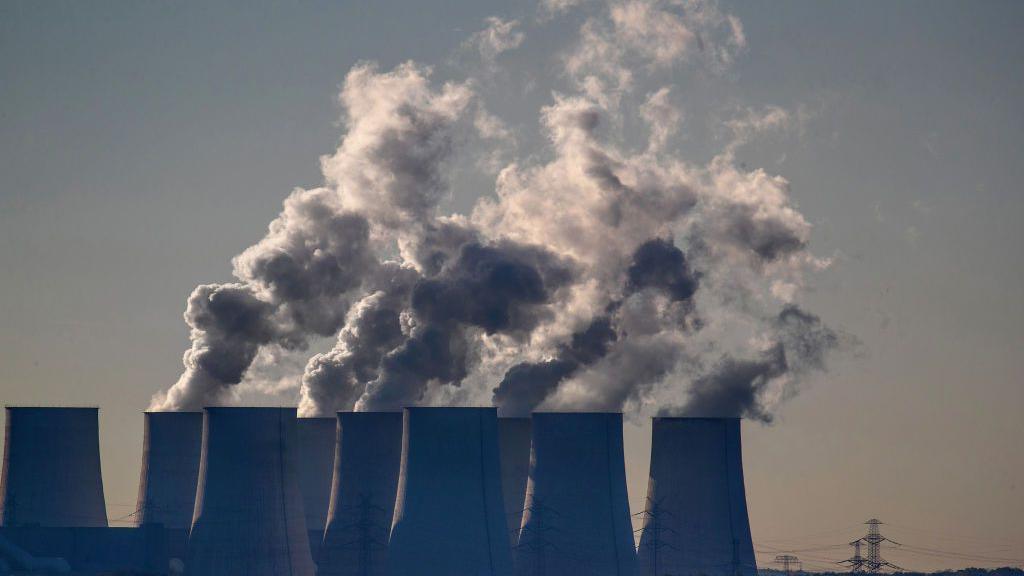
The ETS, launched in 2005, requires power plants and heavy‑industry operators to buy a permit for every tonne of CO₂ they emit, encouraging investment in cleaner technology. Free good, the Commission said, will still be provided to companies that commit to substantial decarbonisation projects.
The proposals will move forward only after approval from EU member states and parliamentarians, a process that could take up to a year.
European temperatures, in recent years, are warming faster than the rest of the planet, with some countries experiencing over 40 °C in June – a reminder of the urgency of the debate.